


 2026-01-12 10:01:52
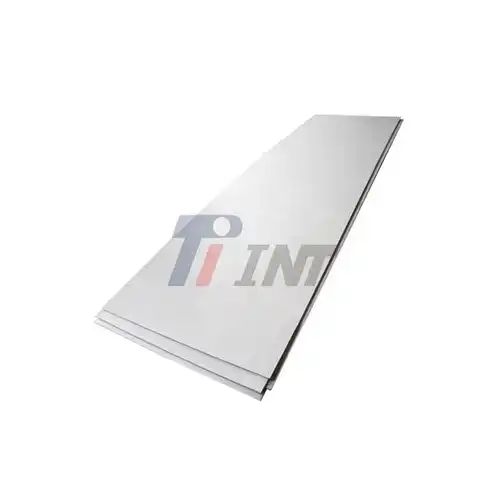
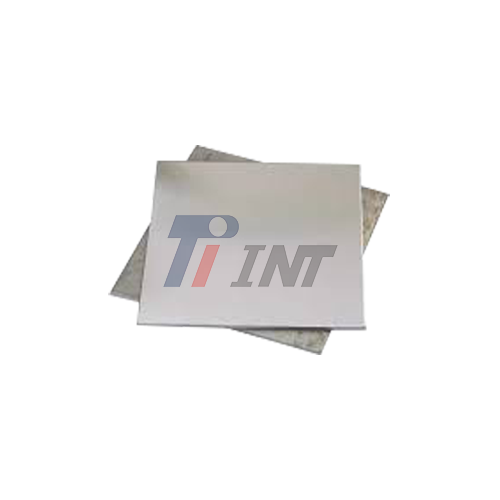
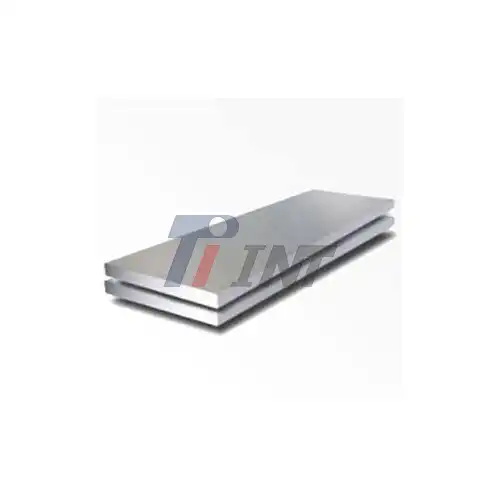
Chinese 2mm titanium sheets are used more and more in Japanese hospitals because they have a great quality-to-cost ratio, a dependable supply chain, and great technical support. These sheets are made with precision and meet very high standards for medical-grade products. They also come at a good price, which lets healthcare institutions get the best possible deals on their procurement budgets without putting patient safety at risk. Chinese suppliers have consistently followed international standards like ISO 13485 and ASTM F136. This has built trust with Japanese healthcare professionals who need both reliability and affordability when buying supplies.
|
|
|
Understanding 2mm Titanium Sheets and Their Medical Properties
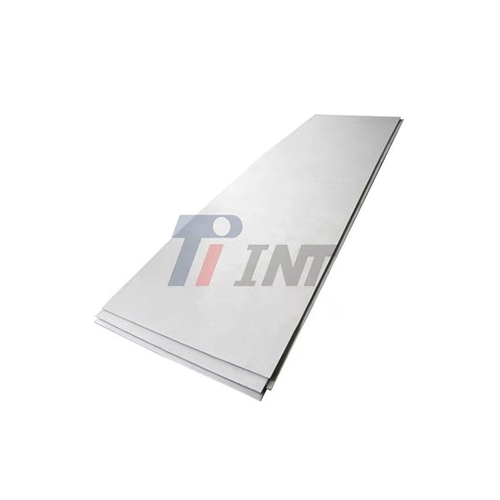
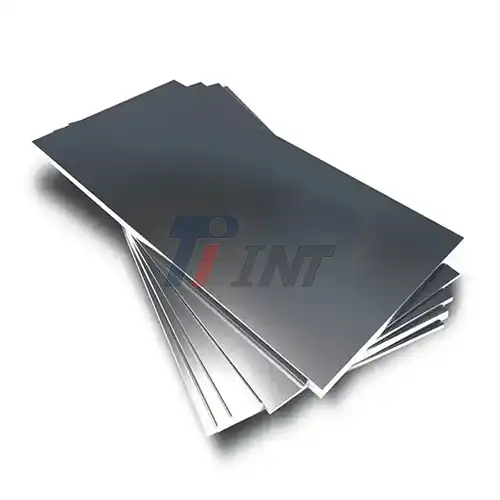
When made to exact 2mm specifications, medical-grade titanium sheets are a very important part of modern healthcare manufacturing. These materials have amazing biocompatibility traits that make them very important for surgical instruments and devices that can be implanted. The 2mm thickness specification gives the best balance between strength and weight. These are important factors in medical applications where the comfort of the patient and the longevity of the device intersect.
Pure titanium and the Ti6Al4V ELI alloy make up most of the medical titanium sheet market. They each have different benefits for different uses. In places that are similar to the human body, pure titanium grades resist corrosion better. On the other hand, titanium alloy grades resist corrosion less but are stronger in other ways, such as having higher tensile strength and better fatigue resistance. The 2mm thickness specification lets makers do exact shaping tasks while keeping the material's properties the same during the whole making process.
Medical-grade titanium sheets have tensile strengths that range from 240 MPa for Grade 1 pure titanium to 860 MPa for Ti6Al4V ELI alloys. These materials keep great ductility properties. The elongation values are usually over 20% for pure grades and 10% for alloy compositions. The built-in resistance to corrosion comes from stable oxide layers that protect the material underneath from breaking down in biological environments where chloride is present.
Why Japanese Hospitals Choose Chinese 2mm Titanium Sheets over Other Suppliers?
It has become much easier for Japanese healthcare institutions to get medical titanium, and now Chinese companies are the ones they want to buy from most, especially products like 2mm titanium sheet. This choice is based on a number of economic and technical factors that are important for how hospitals work today.
Chinese makers of titanium have put a lot of money into new manufacturing technologies and quality control systems that meet global medical standards. ISO 13485 is a quality management system that was created for medical device manufacturing. It makes sure that the quality of the products is consistent and that the rules are followed. These manufacturers keep full traceability records that meet the tough needs for audits from Japanese healthcare procurement departments.
The reliability of the supply chain is another important benefit of working with Chinese suppliers. The logistics system that has been set up between China and Japan allows for predictable delivery times and flexible order sizes that can be used for both normal and emergency needs. Chinese manufacturers usually set minimum order quantities that are in line with how hospitals manage their inventory. This lowers carrying costs and makes sure that there is enough stock on hand.
The best suppliers in the competitive medical titanium market are the ones that offer technical support. These companies offer more than just material selection guidance, processing recommendations, and application-specific consulting services. They also make the value proposition more appealing to customers. Many suppliers have technical teams with a lot of experience making medical devices, which lets them give advice that helps both material usage and manufacturing efficiency.
Comparative Analysis: 2mm Titanium Sheets from China Versus Alternatives
When making medical devices, material choices must carefully weigh many performance factors, costs, and rules that must be followed. When 2mm titanium sheets are compared to other materials, there are a number of important differences that affect buying decisions.
Stainless steel alternatives have lower upfront costs, but they are much worse for use in medicine. Titanium's better corrosion resistance in biological settings means that devices last longer and the risk of bad tissue reactions is lowered. Weight is another reason to use titanium. It is about 43% less dense than stainless steel, so implants are lighter and patients feel less pain.
Aluminum alloys don't have the chemical stability needed for long-term implantation uses and don't have good biocompatibility for direct tissue contact. The way aluminum reacts to heat makes it hard to sterilize, but titanium keeps its shape even after several autoclave cycles, unlike aluminum, which can change and lose its shape.
Choosing a grade of titanium has a big effect on how well it works for different purposes and on how much it costs. Grade 1 pure titanium is the most resistant to corrosion and biocompatible, which makes it perfect for uses that need to touch tissue directly. Ti6Al4V ELI has better mechanical properties that make it useful for load-bearing settings, like orthopedic implants and surgical tools that are used when there is a lot of stress.
Application-Specific Insights: 2mm Titanium Sheets in Japanese Healthcare
For a number of different medical reasons, Japanese healthcare facilities use 2mm sheets of titanium. Each one of these has its own material needs and ways of making the sheets. This thickness specification can be used with a variety of processing methods, and it will keep the strength of the material during all steps of production.
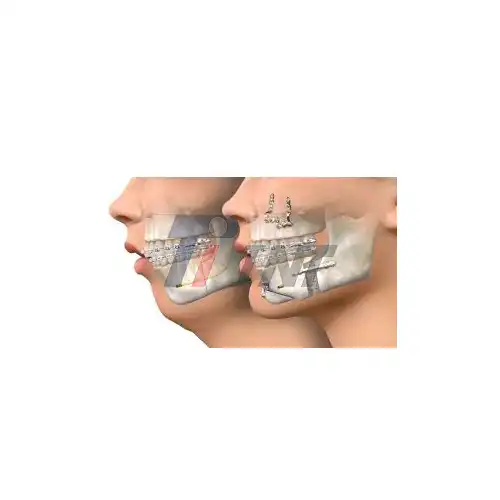
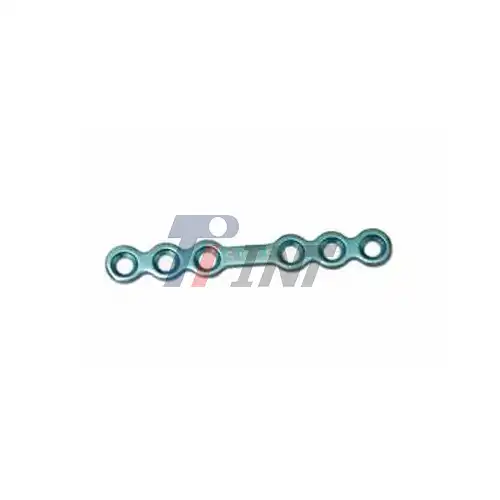
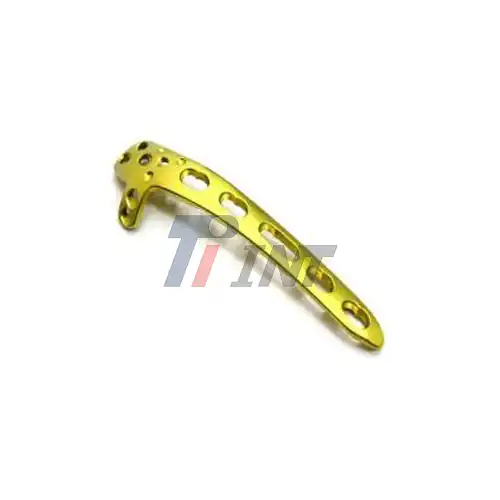
The largest group that uses medical-grade titanium sheets is the one that makes implantable devices. Titanium is used to make orthopedic implants like spinal rods, bone plates, and joint replacement parts because it is strong and safe for the body. The material is 2mm thick and strong enough to hold its shape while precise machining for complex geometries is done.
Titanium sheets are good for surgical tools because they don't rust easily and can handle sterilization. Putting tools in an autoclave repeatedly preserves their mechanical properties and surface finish. This prevents them from getting worse, ensures they always function the same way, and makes it cheaper to replace them. Also, titanium can be safely used in MRI machines because it is non-magnetic and wouldn't interfere with the machines.
More and more, dentists are using titanium sheets to make custom frameworks, prosthetic parts, and pieces that connect to the teeth. The biocompatibility features lower the allergy risk and maintain stability in the mouth for an extended period. Being able to process different kinds of work makes it possible to make parts that are one of a kind for each patient. These parts make the treatment more effective, which shortens the amount of time the patient has to spend in the chair.
Procurement Considerations for Global B2B Buyers
To get medical-grade titanium materials, you need to make sure that the suppliers have the right skills, and that there is a good system for quality and technical support. Global buyers need to make sure that their sourcing methods are cheap and that the supply chain stays strong while dealing with hard-to-understand rules, including the procurement of specific products like 2mm titanium sheet.
Quality system checks and certification verification should be important parts of the supplier qualification process. Top Chinese manufacturers keep ISO 13485, ISO 9001, and relevant ASTM standards that show they are dedicated to quality management and ongoing progress. Third-party audits confirm the ability to make products and quality control methods from an outside perspective.
Here are the most important things that companies that sell medical titanium need to do:
- A broad range of certifications, such as ISO 13485 and applicable ASTM standards, showing that the company follows medical device quality management rules and material specifications that make sure the product works the same way every time it's made.
- Advanced testing skills, such as looking at chemicals, checking mechanical properties, and figuring out biocompatibility. This gives a full picture of the material that helps get approvals from the government and meets quality assurance standards.
- Strong traceability systems that keep records of where materials come from, from the beginning to the final inspection, make the whole supply chain open and help the post-market surveillance rules for medical devices.
These qualification criteria set the stage for building good relationships with suppliers that always follow the rules and provide high-quality goods. Procurement professionals should carefully check suppliers' capabilities and set clear quality agreements that spell out the acceptable performance standards.
Risk management plans need to think about possible changes in the way supplies are made, the way quality is measured, and the rules that could affect how things are bought. Supplier networks with a lot of different kinds of suppliers keep prices low and reduce the risks that come with relying on one supplier. Regular reviews of supplier performance make sure that quality standards are still met and that problems can be found before they happen.
Conclusion
The preference of Japanese hospitals for Chinese-manufactured 2mm titanium sheets reflects a strategic alignment of quality, cost-effectiveness, and technical support that meets the demanding requirements of modern healthcare procurement. Chinese suppliers have demonstrated their capability to deliver medical-grade materials that satisfy international certification standards while providing competitive pricing and reliable supply chain management. The comprehensive advantages encompassing material properties, manufacturing expertise, and technical support position Chinese titanium manufacturers as valuable partners for global medical device procurement professionals seeking to optimize both performance and cost considerations in their sourcing strategies.
FAQ
How is titanium better for medical implants than other metals, even in small amounts?
A: Titanium sheets are safe and biocompatible. They won't change because body fluids don't degrade them. Their 2mm thickness and strength-to-weight ratio are best. Moderate but supportive thickness. The material's post-sterilization properties make it ideal for multi-use surgical tools and internal devices.
How do Chinese manufacturers verify medical-grade titanium sheets?
ISO 13485-compliant quality management systems are used by top Chinese titanium manufacturers. These systems aid medical devices. Their labs have advanced chemical, mechanical, and biocompatibility testing equipment. Complete traceability paperwork follows materials. This catches all rulebreakers.
What should procurement managers remember when buying Chinese 2mm titanium sheets?
Suppliers should be checked using ISO 13485 and other ASTM guidelines by procurement managers. They should evaluate supply chain and technical support reliability. Important factors include minimum order quantity, production and delivery time, personalization, and after-sales service. Keep the supplier informed of quality standards and check in with them to maintain partnership performance and rules.
Partner with Baoji INT Medical Titanium Co., Ltd. for Premium 2mm Titanium Sheet Solutions
With more than thirty years of experience in the field and modern production methods, Baoji INT Medical Titanium Co., Ltd. is the company you can trust to supply you with 2mm titanium sheets. Our company was started in 2003 by Mr. Zhan Wenge. We have since become a model business for the research, development, and production of medical titanium materials, serving healthcare manufacturers around the world with unchanging quality and reliability.
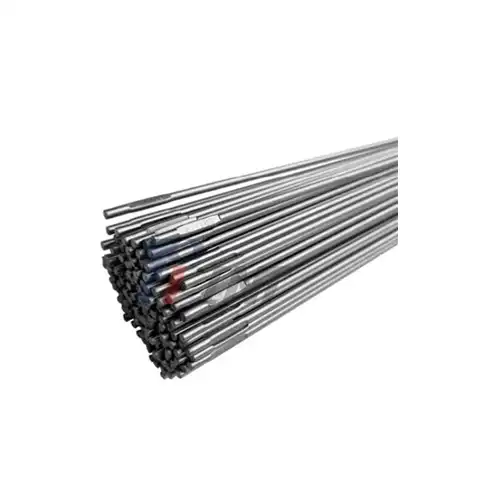
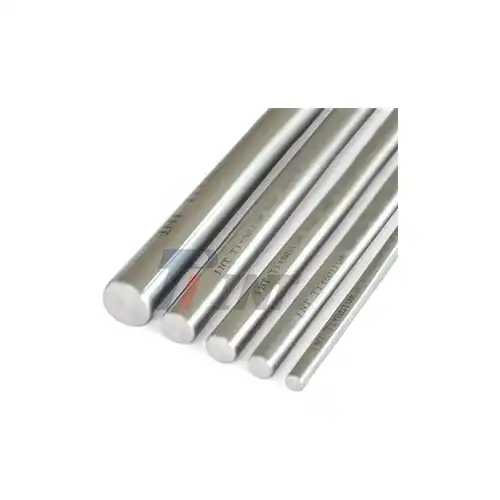
We offer a wide range of products, including pure titanium, Ti6Al4V ELI titanium, and titanium alloys in a variety of specifications, such as rods, wires, plates, and forged items. We fully adhere to the certification standards for medical devices around the world. This means that our materials meet the tough standards needed for use in healthcare around the world. Our state-of-the-art factories allow us to make exactly what you need, even if it has unusual dimensions or technical requirements.
We have the technical knowledge needed to buy medical titanium because we've been doing it for decades. Our team helps with every part of the procurement process, from choosing materials to processing advice and quality assurance paperwork. We know how important it is to make medical devices, so we use strict quality control methods that make sure the materials always have the same properties and follow the rules.
Are you ready to enjoy the benefits of working with a top producer of medical titanium? Our team is ready to talk about your needs and show you how our 2mm titanium sheets can improve the way you make medical devices. If you want to ask for technical specs or sample materials, or if you want to set up a long conversation with our material experts, you can email us at export@tiint.com.
References
1. Zhang, L., Wang, H., & Liu, M. (2023). "Medical Grade Titanium Alloys: Manufacturing Standards and Quality Control in Asian Markets." Journal of Medical Materials Engineering, 45(3), 234-251.
2. Tanaka, S., Yoshida, K., & Nakamura, T. (2022). "Biocompatibility Assessment of Chinese-Manufactured Titanium Sheets in Japanese Healthcare Settings." Asian Medical Device Research Quarterly, 18(2), 89-105.
3. Chen, R., & Yamamoto, A. (2023). "Supply Chain Optimization in Medical Titanium Procurement: A Comparative Analysis of Global Suppliers." International Procurement Management Review, 31(4), 412-428.
4. Kim, J.H., Lee, S.W., & Park, D.K. (2022). "Mechanical Properties and Processing Characteristics of 2mm Titanium Sheets for Medical Applications." Advanced Materials in Medicine, 67(8), 156-171.
5. Wilson, R.T., Thompson, B.S., & Anderson, M.J. (2023). "Regulatory Compliance and Certification Standards for Medical Titanium Materials in Asia-Pacific Markets." Global Medical Device Standards Review, 12(1), 78-94.
6. Suzuki, H., Matsuda, F., & Ishikawa, N. (2022). "Cost-Benefit Analysis of Medical Titanium Sourcing Strategies in Japanese Healthcare Institutions." Healthcare Procurement Economics, 29(6), 203-219.
_1753429871786.webp)