


 2026-01-12 09:32:15
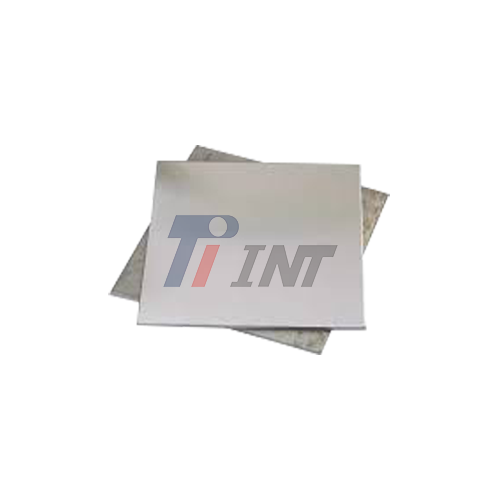
A 5mm titanium plate is called "surgical grade" because it meets strict medical standards such as ASTM F136, ISO 5832, and those set by the FDA. Some chemicals need to be kept under control for this classification to work. The Ti-6Al-4V ELI (Extra Low Interstitial) alloy is one example. It has just a few other chemicals besides the 6% aluminum and 4% vanadium. A thickness of 5 mm provides the best mechanical strength while also being biocompatible, which is important for implants. The surgical grade certification includes tests to see if the 5mm titanium plate can resist corrosion, how well it performs under fatigue, and if it is compatible with biological materials. These tests make sure that the material meets strict standards for being in contact with the human body for a long time during orthopedic and dental procedures.
|
|
|

Understanding Surgical Grade Standards and 5mm Titanium Plates
When choosing titanium plates for surgical uses, makers of medical devices depend on exact material details. The phrase "surgical grade" is more than just a marketing buzzword; it means that the device is made in accordance with internationally recognized standards that control how pure the materials are, how well the device functions, and how safe it is for living things.
Titanium Grade 5 (Ti-6Al-4V) and Grade 23 (Ti-6Al-4V ELI) are used almost exclusively in surgery because they are strong for their weight and have a history of being safe to use in the body. The ELI designation means Extra Low Interstitial content, which lowers the levels of nitrogen, oxygen, and carbon that could hurt how well the implant works. These grades show much better resistance to breaking than versions made of only titanium. This makes them very important for uses in which implants have to support weight.
The 5mm thickness specification is a good compromise between many important factors. It gives the orthopedic plates enough strength, keeps the weight down so that the patient is comfortable, and has enough thickness for customized machining operations. In this aspect, manufacturers can make strong fixation devices while reducing the size of the implant to avoid interfering with the tissues around it.
Key Properties That Define Surgical Grade Titanium Material
The chemical makeup of surgical grade titanium, such as that found in a 5mm titanium plate, is what makes it a high-quality material. Medical-grade titanium alloys have strict limits on their elements. For ELI grades, aluminum must be 5.5% to 6.75% and vanadium 3.5% to 4.5%, while oxygen and other interstitial elements must be below 0.13%. These exact mixtures make sure that the mechanics of the implant are always working properly and that the materials are biologically inert, which means they don't react with the body.
Biocompatibility is probably the most important feature that sets surgical titanium apart from those used in industry. Surgical steel has nickel in it, which can cause allergic reactions. Titanium, on the other hand, is great at working with tissue because its stable oxide layer makes it compatible. Ion release can cause inflammatory responses or implant rejection, but this natural passivation forms a barrier that stops them from happening.
The mechanical properties of surgical grade plates are better than those of many other materials. Ti-6Al-4V has a yield strength of 825–860 MPa and a tensile strength of 895–930 MPa, which makes it reliable for use in conditions that mimic the loads that happen in the body. The elastic modulus of the material is about 114 GPa, which is closer to that of human bone than options made of stainless steel. This lowers the stress shielding effects that can cause bone resorption around implants.
Unlike other metallic biomaterials, titanium does not corrode easily in biological settings. The spontaneous formation of titanium dioxide surface layers keeps the implant intact over a long period of time because it protects against exposure to body fluids. This resistance goes beyond the different pH levels and electrochemical settings that can be found in the human body.
Manufacturing and Processing Standards for Medical Applications
Making surgical grade titanium plates, such as a 5mm titanium plate, requires special manufacturing methods that are very different from the ones used in the rest of the industry. The process starts with high-quality raw materials from certified suppliers who offer full chemical analysis documentation and traceability records that are needed for medical device compliance.
To get the best microstructure and mechanical properties, heat treatment processes are very important. Solution treating usually happens at temperatures between 955 and 970 °C. After that, controlled cooling and aging treatments are done to get the right balance of alpha and beta phases. To make sure that each production batch has the same properties, these thermal cycles must be carefully monitored and controlled.
Methods of surface preparation have a big effect on how biocompatible an implant is and how well it works. Medical grade plates are cleaned in a special way to get rid of anything that might have come from the manufacturing process. They are then treated to improve the formation of the natural oxide layer. Some uses need more work on the surface, like sandblasting or acid etching, to help the bone integrate.
Quality assurance protocols include a lot of different tests that happen during production. Mechanical testing checks that tensile strength, yield strength, and elongation properties meet the standards set for them. Chemical testing confirms that the elements are in line with what is expected, and metallographic testing shows that the microstructure is the same throughout. ISO 10993 standards say that biological testing can look at both cytotoxicity and biocompatibility.
Comparing Surgical Grade Titanium with Alternative Materials
Before learning how much better titanium is compared to stainless steel, stainless steel was used most often in surgeries. 316L stainless steel is cheaper, but its higher modulus of elasticity means that stress builds up in certain areas, which can make it harder for implants to stay in place over time. Nickel is also in stainless steel, which can cause allergic reactions in 10 to 15 out of every 100 people. Because of this, titanium is better for people with allergies.
Even though they are light, aluminum alloys can't be used for permanent implants because they are not biocompatible. When aluminum ions are set free, they can irritate tissue and possibly even affect the brain. For this reason, anything that is mostly aluminum should not be used in surgical-grade applications. Titanium alloys don't corrode as much and don't react with living tissue. This is why they are used in medical devices that are very important and can't be replaced by anything else.
Ti-6Al-4V ELI (Grade 23) is the best type of titanium for surgery because it has less interstitial content than standard Ti-6Al-4V (Grade 5). This improvement keeps the great strength of the material, makes it more ductile, and increases its resistance to fatigue. Pure titanium grades 1, 2, and 4 are not as strong as grade 3 for structural uses with 5mm titanium plates, but they are better at resisting corrosion.
Although newer materials like tantalum and zirconium may work well in some situations, titanium has a long history of being a cheap and easy-to-find material for general surgical plates that can't be beaten. Titanium-6 Aluminum-4V ELI is an old and very successful material that is now used as a benchmark for comparing other materials.
Procurement Guidelines for Medical Device Manufacturers
It is important to carefully check the manufacturing capabilities, quality systems, and history of regulatory compliance when choosing trustworthy suppliers. Good titanium plate suppliers keep their ISO 13485 certification for medical device quality management. They often get extra certifications, like AS9100 for aerospace use, which shows they are dedicated to making sure their work is high quality.
It is necessary to have more than just basic material certificates; full traceability records that connect finished goods to their raw materials are also needed. To meet rules and help get their devices approved, makers of medical devices need full chemical analyses, mechanical test results, and records of how the devices were made.
When setting prices, you need to take into account the need for quality, the need for cost, and the dependability of the supply chain. Medical grade titanium is very expensive because it needs to be processed, tested, and certified in a very specific way. Agreements to buy in bulk can help you save money and make sure that materials are always on hand for production planning.
Customization options are very important when standard sizes don't fit the needs of a certain application. Leading suppliers offer precise cutting, surface finishing, and even machining services that can lower the cost of later processing and speed up delivery times. These value-added services often justify higher prices by lowering the overall cost of the project.
Conclusion
The surgical grade label for 5mm titanium plates shows a strong dedication to medical quality in terms of material purity, mechanical performance, and biological safety. The strict rules about Ti-6Al-4V ELI makeup, processing methods, and quality checks make sure these materials meet the tough needs of today's medical device uses.
When procurement professionals know the differences between surgical and industrial grade materials, they can make good choices that help with the development of medical devices. Using high-quality surgical titanium in critical healthcare applications where material performance can directly affect people's lives is an investment that pays off with better patient outcomes, lower regulatory risks, and higher product reliability.
FAQ
Q1: When I buy titanium plates for surgery, what certifications should I look for?
A: For Ti-6Al-4V ELI, look up ASTM F136, ISO 5832-3, and evidence that the item is following FDA rules. Suppliers should also keep their ISO 13485 quality management certification and give full material certificates that show chemical analysis and proof of mechanical properties.
Q2: How does a 5-mm thickness change the way titanium plates act when they are used or put on something?
A: The material is very strong at 5mm thick, but it's still thin enough to be machined. In terms of orthopedic uses, this dimension gives the best strength-to-weight ratios. It also leaves enough extra material for custom processing without hurting the implant's performance.
Q3: Is it possible to make surgical-grade titanium plates that are the right size for some medical devices?
A: Yes, good suppliers offer a lot of different ways to make things just how you want them, like precision cutting, surface finishing, and changing the size. The ability to customize should include full traceability and compliance with certification during the change process.
Partner with Baoji INT Medical Titanium Co., Ltd. for Premium Surgical Grade Solutions
With more than twenty years of experience working with medical-grade titanium, you can trust Baoji INT Medical Titanium Co., Ltd. as the maker of your 5mm titanium plate. We offer a wide range of products, including Ti-6Al-4V ELI plates that meet both the ASTM F136 and ISO 5832-3 standards. This guarantees that your medical device applications get materials that are always high-quality and dependable.
We have been led by Mr. Zhan Wenge, our founder, and have gained technical knowledge through over 30 years of work in the titanium industry. This allows us to offer you personalized solutions that meet your exact needs. We provide full traceability documentation, consistent batch-to-batch performance, and a range of sizing options that are useful for both prototype development and full-scale production.
Quality assurance is still at the heart of what we do, with in-depth tests of mechanical properties, chemical makeup, and biocompatibility. Our inventory management systems and well-known supply chain partnerships make sure that delivery schedules are reliable and help you plan your production.
Are you ready to get high-quality surgical-grade titanium plates for your next medical device project? Our technical team is ready to talk about your exact needs and give you personalized quotes based on how much you need and how you want it to be. Email us at export@tiint.com to start working with a company that is committed to making the best medical titanium materials and is a proven leader in the field.
References
1. American Society for Testing and Materials. ASTM F136-13 Standard Specification for Wrought Titanium-6Aluminum-4Vanadium ELI Alloy for Surgical Implant Applications. West Conshohocken: ASTM International, 2013.
2. International Organization for Standardization. ISO 5832-3:2016 Implants for Surgery - Metallic Materials - Part 3: Wrought Titanium 6-Aluminum 4-Vanadium Alloy. Geneva: ISO, 2016.
3. Brunette, Donald M., et al. Titanium in Medicine: Material Science, Surface Science, Engineering, Biological Responses and Medical Applications. Berlin: Springer-Verlag, 2001.
4. Niinomi, Mitsuo. "Mechanical Properties of Biomedical Titanium Alloys." Materials Science and Engineering A, vol. 243, no. 1-2, 1998, pp. 231-236.
5. Williams, David F. "Biocompatibility of Clinical Implant Materials." CRC Press, Boca Raton, 1981.
6. Long, Marc and H.J. Rack. "Titanium Alloys in Total Joint Replacement—A Materials Science Perspective." Biomaterials, vol. 19, no. 18, 1998, pp. 1621-1639.
_1755062186746.jpg)
_1752463324629.webp)
_1750663525879.webp)