

 2026-01-06 10:46:56


Understanding Cervical Titanium Plates
The Role of Cervical Spine Surgery Titanium Plates
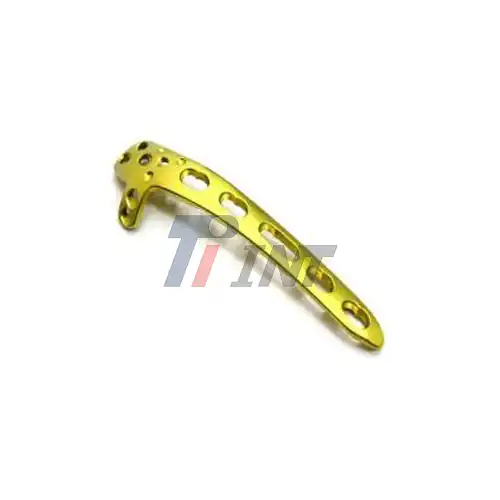
Cervical spine surgery titanium plates play a crucial role in stabilizing the cervical spine after various procedures. These plates are typically used in anterior cervical discectomy and fusion (ACDF) surgeries, where they help maintain proper alignment of the vertebrae during the healing process. The cervical spine surgery titanium plate acts as a bridge, connecting adjacent vertebrae and providing support while the bone graft fuses the vertebrae together.
Composition and Properties of Titanium Plates
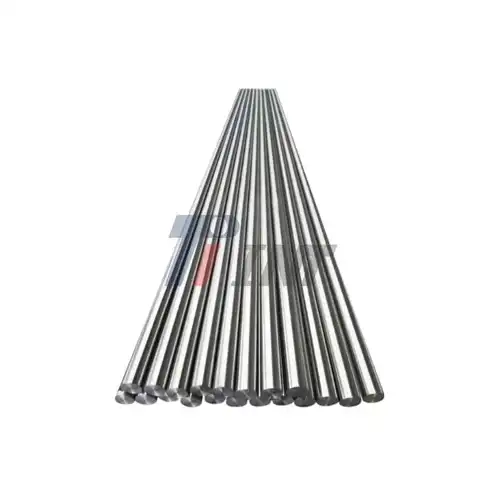
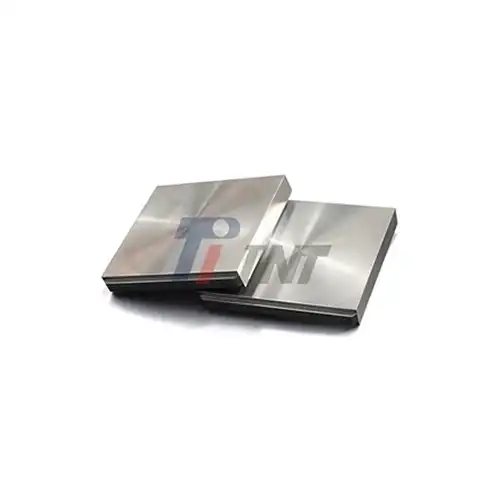
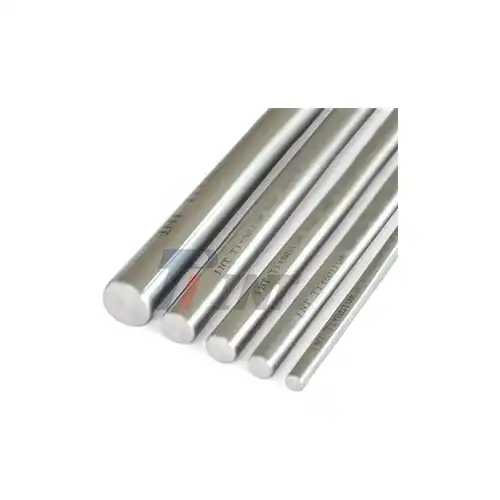
Titanium and its alloys are the materials of choice for cervical spine surgery titanium plates due to their exceptional properties. These include:
- Biocompatibility: Titanium is well-tolerated by the human body, reducing the risk of adverse reactions.
- Corrosion resistance: This property ensures the longevity of the implant in the body's environment.
- High strength-to-weight ratio: Titanium provides excellent strength while remaining lightweight.
- Osseointegration potential: Titanium can integrate with bone tissue, promoting stability and healing.
Manufacturing Process and Quality Control
As a reputable cervical spine surgery titanium plate supplier, we adhere to stringent manufacturing processes and quality control measures. Our plates are typically made from medical-grade titanium alloys, such as Ti-6Al-4V ELI (Extra Low Interstitial), which offers superior mechanical properties and biocompatibility. The manufacturing process involves precision machining, surface treatments, and rigorous testing to ensure each plate meets the highest standards of quality and safety.
Allergic Reactions to Titanium: Myth or Reality?
The Prevalence of Titanium Allergies
While titanium is generally considered hypoallergenic, there have been rare reports of allergic reactions to titanium implants. However, it's essential to note that true titanium allergies are extremely uncommon. A study published in the Journal of Prosthetic Dentistry found that the prevalence of titanium allergies is estimated to be less than 0.6% in the general population.
Mechanisms of Titanium Allergy
In the rare cases where allergic reactions to titanium occur, the mechanism is believed to be a type IV hypersensitivity reaction. This delayed-type hypersensitivity is mediated by T-cells and can manifest as skin rashes, inflammation, or other symptoms. However, it's important to distinguish between a true allergy to titanium and reactions to other components or impurities that may be present in the implant.
Differentiating Allergic Reactions from Other Complications
When patients experience discomfort or adverse reactions after receiving a cervical spine surgery titanium plate, it's crucial to differentiate between an allergic reaction and other potential complications. Symptoms such as pain, swelling, or infection may be due to factors unrelated to the titanium itself, such as surgical technique, implant positioning, or postoperative care. A thorough evaluation by a healthcare professional is necessary to determine the underlying cause of any symptoms.
Diagnosis and Management of Titanium Allergies
Preoperative Screening for Titanium Sensitivity
For patients with a history of metal allergies or concerns about potential reactions, preoperative screening for titanium sensitivity may be considered. This can involve patch testing or lymphocyte transformation tests (LTT) to assess the patient's immune response to titanium. However, it's important to note that these tests are not routinely performed and may have limitations in predicting clinical outcomes.
Symptoms and Diagnosis of Titanium Allergy
In the rare event of a titanium allergy, symptoms may include:
- Persistent pain or discomfort around the implant site
- Skin rashes or dermatitis
- Chronic inflammation or swelling
- Delayed wound healing
Diagnosis of a titanium allergy typically involves a combination of clinical evaluation, imaging studies, and in some cases, allergy testing. It's crucial to rule out other potential causes of symptoms before attributing them to a titanium allergy.
Treatment Options for Confirmed Titanium Allergies
If a titanium allergy is confirmed, treatment options may include:
- Implant removal and replacement with an alternative material
- Medication to manage symptoms and reduce inflammation
- In some cases, revision surgery using non-titanium implants
It's important to note that the decision to remove or replace a cervical spine surgery titanium plate should be made carefully, weighing the risks and benefits of the procedure. In many cases, the benefits of keeping the implant may outweigh the risks of removal, especially if the fusion has already occurred.
Conclusion
While allergies to cervical titanium plates are theoretically possible, they are extremely rare. The vast majority of patients undergoing cervical spine surgery with titanium implants experience no allergic reactions. As a leading cervical spine surgery titanium plate supplier, we prioritize patient safety and product quality to minimize the risk of adverse reactions.
It's crucial for patients to discuss any concerns about metal allergies with their healthcare providers before undergoing cervical spine surgery. Healthcare professionals should be aware of the possibility of titanium allergies, however rare, and be prepared to evaluate and manage any potential reactions.
For more information about our cervical spine surgery titanium plates or to discuss your specific needs, please don't hesitate to contact us at export@tiint.com. Our team of experts is always ready to provide guidance and support to ensure the best possible outcomes for patients undergoing cervical spine surgery.
FAQ
How common are allergies to cervical titanium plates?
Allergies to cervical titanium plates are extremely rare, with an estimated prevalence of less than 0.6% in the general population.
What are the signs of a possible titanium allergy?
Potential signs include persistent pain, skin rashes, chronic inflammation, or delayed wound healing around the implant site.
Can titanium allergies be tested before surgery?
Yes, preoperative screening tests like patch testing or lymphocyte transformation tests can be performed, although they are not routinely done.
What are the alternatives if a titanium allergy is confirmed?
Alternatives may include implant removal, medication management, or revision surgery using non-titanium materials.
References
1. Goutam M, Giriyapura C, Mishra SK, Gupta S. Titanium allergy: a literature review. Indian J Dermatol. 2014;59(6):630.
2. Sicilia A, Cuesta S, Coma G, et al. Titanium allergy in dental implant patients: a clinical study on 1500 consecutive patients. Clin Oral Implants Res. 2008;19(8):823-835.
3. Wood MM, Warshaw EM. Hypersensitivity reactions to titanium: diagnosis and management. Dermatitis. 2015;26(1):7-25.
4. Thomas P, Bandl WD, Maier S, Summer B, Przybilla B. Hypersensitivity to titanium osteosynthesis with impaired fracture healing, eczema, and T-cell hyperresponsiveness in vitro: case report and review of the literature. Contact Dermatitis. 2006;55(4):199-202.
5. Hallab N, Merritt K, Jacobs JJ. Metal sensitivity in patients with orthopaedic implants. J Bone Joint Surg Am. 2001;83(3):428-436.

_1750664314563.webp)