
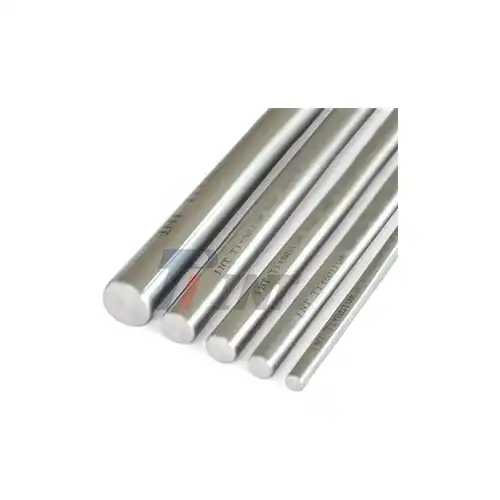
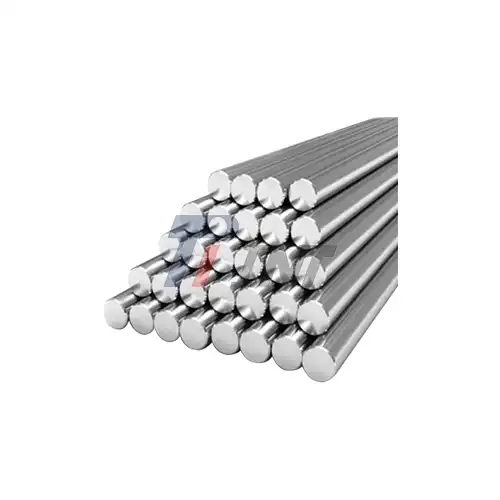
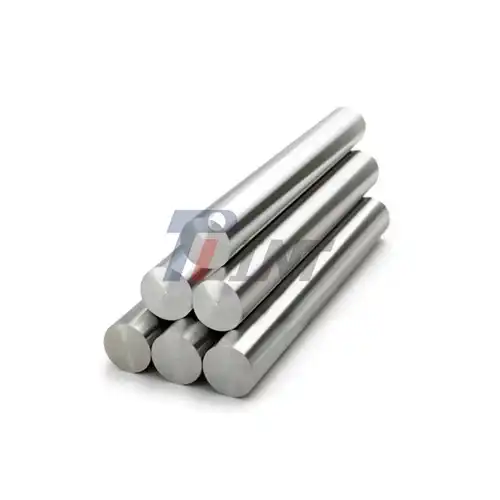
Biocompatibility of Titanium Rods in Medical Applications


 2026-07-03 09:18:11
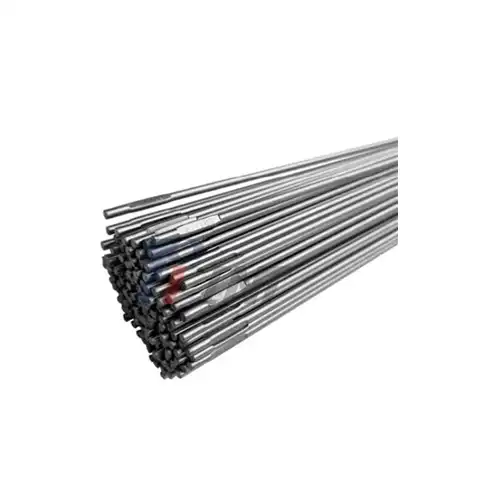
Titanium plates that are used in medical procedures are biocompatible, which means that the material can work inside the body without causing bad immune responses or tissue rejection. A titanium rod medical gadget is very resistant to chemicals and works well with living things, so bone can grow right onto its surface. This is called osseointegration. This one-of-a-kind trait makes titanium the best material for hip implants, spinal fixation systems, and oral prosthetics. It solves important problems like stress shielding and metallosis that other materials have.
|
|
|
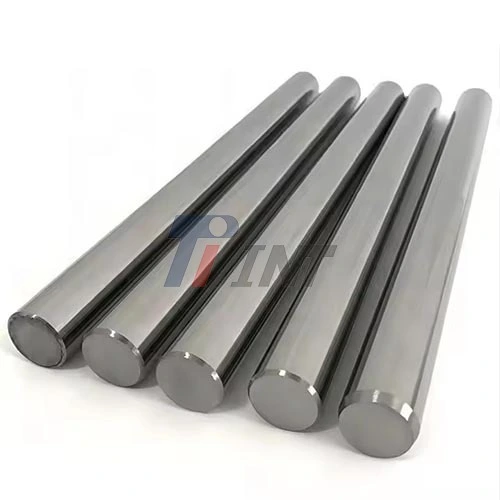
Understanding Biocompatibility of Titanium Rods
Biocompatibility is a material's ability to do what it's supposed to do without causing harmful biological reactions. When we talk about biocompatibility in titanium rod medical implants, we're looking at how the material works with cells of living flesh.
The Science Behind Titanium's Biological Acceptance
Titanium is very biocompatible because when it comes in contact with oxygen, it forms a steady TiO₂ passivation layer on its own. This very thin oxide film, which is only 2 to 6 nanometers thick, separates the metallic base from the tissues around it in a way that doesn't change chemically.
Why Titanium Outperforms Traditional Implant Materials
Humans can handle titanium because it is chemically neutral. Stainless steel, on the other hand, can release nickel ions that can make allergic people sick. Cobalt-chromium alloys are very hard, but they also have a higher risk of metallosis, which is the slow release of metal bits that can make tissue swell and implants come free. Studies in humans have shown that titanium implants have much lower rates of complications than these other options, especially when used for more than ten years.
Osseointegration: The Gold Standard for Implant Success
The direct structural and functional link between live bone and the implant surface is called osseointegration. Titanium's special surface chemistry helps osteoblasts stick to it and bone matrix to form, making a biological bond that can't be broken. In the 1950s and 1960s, Swedish orthopedic surgeon Per-Ingvar Brånemark wrote a lot about this event. It had a huge impact on implant dentistry and orthopedic surgery. Modern surface treatments, like sanding and acid etching, make this natural bone-bonding ability even better. In the best conditions, these treatments can cut the time it takes for integration from months to weeks.
Core Properties of Medical Grade Titanium Rods Relevant to Biocompatibility
Medical titanium alloys have amazing dynamic qualities that are very similar to those of human bone. What titanium rod medical components have that matters for biocompatibility includes strength, corrosion resistance, and surface integrity.
Mechanical Strength Matched to Physiological Demands
Ti6Al4V ELI (Extra Low Interstitial), which is also called Grade 23, has a tensile strength of 860 MPa and a yield strength of 795 MPa. These values give the material enough strength to be used in difficult situations like femoral stems and spinal rods. They also keep the material's elastic stiffness at about 110 GPa, which is much lower than the 200 GPa value for stainless steel and much higher than the 10–30 GPa value for cortical bone. This closeness in modulus lowers stress shielding, a problem that happens when implants are too stiff and stop the bone next to them from being loaded normally. This causes the bone to break down and the implant to become loose over time.
Corrosion Resistance in Harsh Biological Environments
For mechanical objects, the human body is one of the most corrosive places you can imagine. With its pH changes and chloride ion content of about 100 mmol/L, blood plasma constantly threatens the stability of implants. The strong TiO₂ passivation layer on our medical titanium rods makes them very resistant to pitting corrosion, crevice corrosion, and galvanic corrosion. Lab tests with simulated body fluid (SBF) show that Grade 23 titanium that is properly made keeps its rust rates below 0.1 mm per year, which is almost nothing over the 15–25-year average lifespan of an implant.
Sterilization Compatibility and Surface Integrity
Medical equipment must not break down when they are sterilized over and over again. Standard cleaning methods, such as steam autoclaving at 134°C, ethylene oxide gas treatment, and gamma irradiation up to 25 kGy, keep the shape and surface integrity of our titanium rods. Titanium's high melting point (1668°C) means that its structure doesn't change during cleaning or degradation, unlike some polymeric materials that can warp or break down. This keeps the important surface texture needed for ideal osseointegration.
Certification Standards That Define Quality
Meeting foreign standards is the first step toward getting governmental permission and market access. We make all of our titanium rods according to ASTM F136 (Ti6Al4V ELI surgical implant applications) and ASTM F67 (unalloyed titanium for surgical implant applications). These standards set strict limits on interstitial elements like oxygen, nitrogen, carbon, and hydrogen that can weaken the material's ability to bend and break. Our ISO 13485:2016 certification shows that we handle quality in a planned way at every stage of the production process, from checking the raw materials to doing the final inspection. This makes sure that there is consistency from batch to batch, which is important for procurement teams.
In medicine, different types of titanium are used for different tasks. Pure titanium used in commerce (Grade 2 and Grade 4) is better at resisting rust and can be shaped more easily, which makes it perfect for dental implant screws and plates for maxillofacial repair. Ti6Al4V metals are stronger and can be used in load-bearing medical devices like hip stems and intramedullary nails. Knowing the differences between these grades helps procurement workers choose the right one for their device needs, taking into account cost, biocompatibility, and technical performance.
Applications of Titanium Rods in Medical and Surgical Contexts
Titanium rods can be used in medical and surgical settings, serving as the foundation of modern trauma care and reconstructive procedures. The biocompatibility of titanium rod medical devices means that these implants can stay in place forever without causing chronic inflammation or usually needing to be taken out again.
Orthopedic Surgery: Foundation of Modern Trauma Care
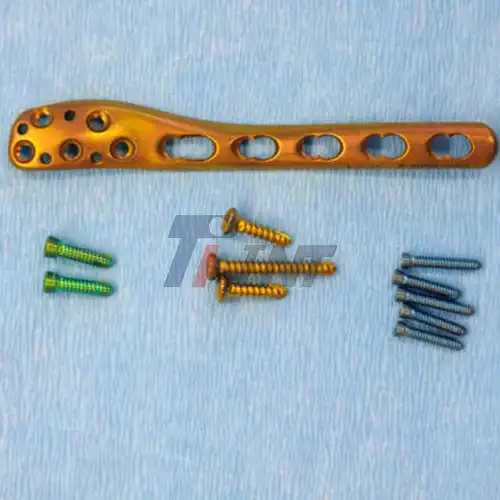
The biggest market for medical titanium plates is in orthopedic uses. The usual way to treat femoral and tibial fractures is to put a titanium rod into the medullary tube of long bones. This is called intramedullary nailing. When compared to external fixation methods, these devices greatly shorten the time it takes to heal by allowing early weight-bearing and joint movement.
Spinal fixation systems use pedicle screws and shaped titanium bars to hold back spinal segments during fusion operations. Because Grade 23 titanium is ductile, doctors can bend rods during surgery to fit the body of each patient. The material's fatigue resistance also ensures long-term stability under the repeated flexion-extension cycles that make up spine biomechanics. Over the course of 10 to 15 years, clinical follow-up studies have shown that titanium equipment leads to fusion rates higher than 90%, with few hardware-related problems.
Dental Implantology: Restoring Function and Aesthetics
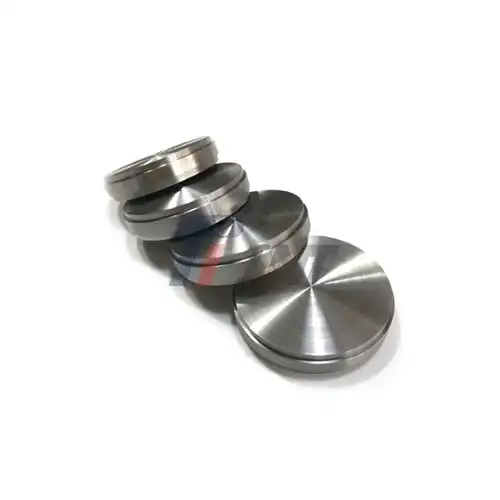
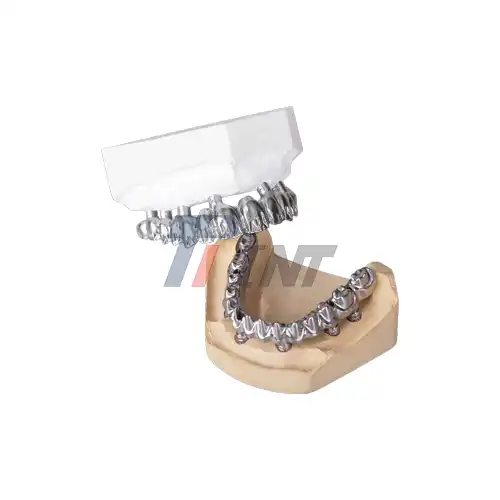
Dental implants have changed the way prosthodontics is done because they are a stable way to restore missing teeth that keeps the alveolar bone height and lets occlusal forces be distributed naturally. Dental implant fixtures are made from small titanium tubes that are carefully machined to have threaded patterns that make them more stable and give bone more surface area to touch. Because titanium can osseointegrate, it doesn't need to be held in place with cement. This makes a truly integrated tooth replacement that can withstand forces of over 200 Newtons for decades of use.
A 45-year-old patient in a European dental office got six titanium dental implants in 1998 to support a fixed bridge. This case shows how titanium biocompatibility can lead to long-term success. In 2023, x-rays showed that the bone levels had stayed the same and there were no signs of peri-implantitis or implant mobility. This shows that medical-grade titanium that is made correctly can last a lifetime when mixed with the right surgical method and patient care.
Emerging Applications in Neurosurgery and Cardiovascular Devices
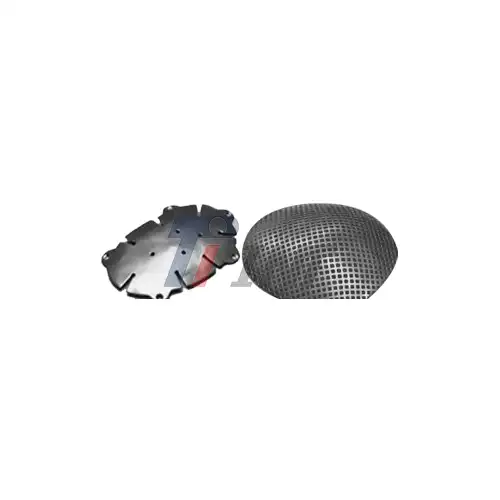
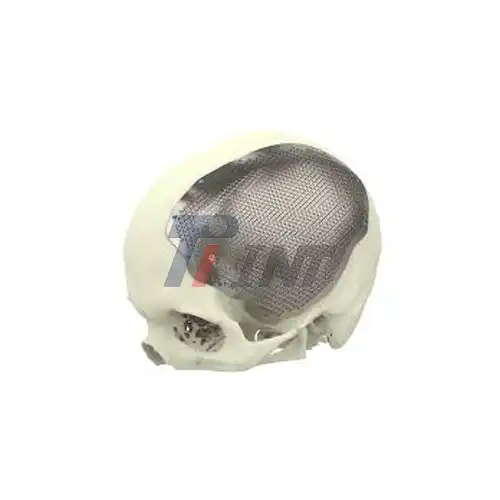
Titanium can be used for more than just medical and dental purposes because it is biocompatible. It can also be used in sensitive neurological and circulatory situations. Using thin titanium bars to make cranial fixation plates gives the skull support after neurosurgical treatments. These plates are radiolucent, which makes imaging easier after surgery. Cardiac pacemaker housings made of titanium metals protect sensitive electronics and stop tissue reaction, so devices that are installed can work reliably for 8 to 12 years before they need a new battery.
Comparing Titanium Rods with Alternative Materials for Medical Implants
Titanium rods and other medical implant materials are compared based on efficiency and biological response. Tissue tolerance tests show that titanium rod medical alloys have statistically significant benefits.
Strength-to-Weight Ratio: Engineering Efficiency
The strength-to-weight ratio of a material is carefully looked at when choosing it for load-bearing implants. Titanium metals are stronger than both stainless steel and cobalt-chromium options in terms of specific strength (strength divided by density). Titanium implants are lighter than stainless steel ones, with a density of 4.43 g/cm³ compared to 7.9 g/cm³. This is especially important for people who have a lot of spine implants, like rods and screws. This weight benefit means that soft tissues will be less irritated and the patient will be more comfortable during the longer integration time.
Biological Response: The Definitive Differentiator
Even though stainless steel implants are cheap, there is evidence that they can cause nickel allergy in about 10 to 15 percent of the population. Nickel, chromium, and iron ions slowly released from stainless steel devices can cause delayed hypersensitivity responses that cause painful implant sites and chronic inflammation. Even though cobalt-chromium alloys are very good at resisting wear on moving joint surfaces, they have been linked to the growth of fake tumors and metal poisoning in the body in some metal-on-metal hip replacement designs.
A histological study of the tissue around titanium implants shows very little fibrous encapsulation—usually less than 50 micrometers. This is in contrast to the 200–500 micrometers that are found around stainless steel implants. This difference has a direct effect on the quality of osseointegration and the security of the fixation over time, which is why titanium is preferred in clinical settings for permanent implants.
Economic Considerations Beyond Initial Price
When buying something, people often compare the cost of the item to its total living costs. Titanium is about three to four times more expensive than stainless steel as a raw material. However, this original cost is often justified by lower complications, fewer revision surgeries, and higher patient happiness scores. Medical device makers say that titanium's better machinability and lower tool wear during CNC operations help to offset the cost of the material, especially for complicated shapes that take a long time to machine.
Polymeric materials, like PEEK, are better at radiolucency but don't have the natural ability to fuse with bone or last as long mechanically. To help the bone stick to PEEK implants, the surface needs to be changed, which makes production more difficult and costs more. There isn't as much clinical evidence for long-term PEEK performance as there is for titanium uses, which means that legal and liability issues must be carefully considered by cautious procurement teams.
Procurement Considerations for Medical Grade Titanium Rods
Things to think about when buying titanium rod medical supplies include supplier qualifications, certification documentation, and manufacturing customization options.
Evaluating Supplier Qualifications and Manufacturing Capability
There's more to choosing a titanium provider than just comparing price quotes and shipping times. Professionals in charge of buying things should make sure that any possible suppliers are still certified with ISO 13485:2016. This shows that they have a method for quality control that meets the needs of making medical devices. Ask for proof of material tracking systems that connect finished rods to the original ingot heat numbers.
When evaluating a company's manufacturing capabilities, it should look at how advanced its production equipment is. Vacuum arc remelting (VAR) and electron beam cold hearth refining (EBCHR) are two improved melting methods that keep the microstructures uniform and reduce interstitial contamination. To find out how well process control is working, ask possible providers to give you capability indices (Cpk values) for important parameters like tensile strength, grain size, and oxygen content.
Understanding Certification Requirements and Documentation
Regulations for medical devices require detailed material records that show the background of each part from the raw materials used to the finished device. The relevant ASTM standard, chemical makeup by heat/lot, mechanical test results, and grain size data should all be written in the Certificate of Conformance. As part of our material licenses, optical emission spectroscopy is used to do a full chemistry analysis. The oxygen and nitrogen contents are then checked using inert gas fusion analysis to make sure they meet Ti6Al4V ELI requirements.
In order to get a CE mark for European markets and an FDA 510(k) premarket notice for US markets, both must show that the new device is substantially the same as legally available suspect devices. Keeping the same material specs for each production lot makes regulatory applications easier and lowers the validation work that needs to be done when going from a pilot to mass production. We suggest making master specification papers that spell out exactly what materials are needed.
Pricing Models and Volume Considerations
There are a lot of things that affect the price of medical titanium rods, such as the alloy's makeup, the rod's diameter and length, the surface finish standards, and the number of orders. Larger diameter rods (above 50mm) usually cost more because they have more material in them and require more difficult casting processes to get the right microstructure throughout the cross-section. For custom lengths that are longer than normal stock sizes, there may be extra handling fees for cutting and preparing the end face.
Most of the time, promises to buy in bulk open up better price tiers. Our experience shows that annual purchase deals for 500 kilograms or more can save you a lot of money compared to buying on the spot market. If a procurement team is in charge of more than one device platform, they might want to consider buying titanium from a single approved seller to get the most out of volume discounts and cut down on the costs of managing vendors.
Customization Capabilities That Add Value
Standard titanium plates are the base, but customized services can cut your costs for processing much more significantly afterward. We offer precise centerless grinding to get circle specs as close as ±0.025mm. This gets rid of the need for rough machining and increases the life of the cutting tools used to make the final component. A surface process called passivation makes it more resistant to corrosion, and specialized surface roughening with grit blasting makes a controlled shape that helps implants fuse with the bone.
Near-net-shape processing is helpful for some medical device designs because it lets providers do basic machining operations to make semi-finished blanks that are more like the final part's shape. This method cuts down on material waste during later CNC processes, which is especially helpful since titanium is a pricey material. During the qualification process, talk about your component designs with possible sellers to find ways that their skills could help you streamline your manufacturing process and save you money overall.
Conclusion
Biological compatibility is a must for any material that goes into the human body. Titanium rod medical components have been the standard in the business for decades thanks to their practical success. Titanium is the best material for important medical uses like orthopedic trauma and dental implantology because it can fuse with bone, doesn't rust, has mechanical qualities that match the body's needs, and has been proven to last for a long time.When making medical devices, choices about procurement have long-lasting effects.
Working with qualified providers who know both the technical needs and the regulatory scene will make sure that your gadgets meet performance standards and meet the needs of all global markets. The things this guide talks about—from understanding licensing standards to judging a supplier's skills—will help you make smart choices about where to buy things that balance quality, cost, and the dependability of the supply chain.
FAQ
What makes titanium rod medical devices biocompatible?
Medical titanium is biocompatible because it forms a stable TiO₂ passivation layer on its own. This layer works as a chemically inert buffer between the metal base and living cells. This oxide film stops the release of ions and creates a surface that helps bone cells stick together and new bone grow through a process called osseointegration.
How does Ti6Al4V ELI differ from standard Ti6Al4V alloy?
ELI (Extra Low Interstitial) means that the material has less oxygen, nitrogen, and carbon than regular industrial-grade Ti6Al4V. These lower interstitial levels improve the material's flexibility and fracture toughness, which are important qualities for medical implants that need to stop cracks from spreading under normal loading conditions. The highest amount of oxygen allowed by ASTM F136 is 0.13% for Ti6Al4V ELI grade and 0.20% for standard grade.
What certifications should I verify when sourcing medical titanium rods?
Some of the most important certifications are ISO 13485:2016 for quality control systems that are specific to medical equipment and material compliance to ASTM F136 or ASTM F67 standards. CE marking shows that the product meets European safety standards, while FDA registration shows that the product is safe for the US market. Ask for material papers that show the chemical make-up, mechanical qualities, and ability to be tracked back to the original ingot heat numbers.
Can titanium rods be sterilized without affecting biocompatibility?
Titanium stays biocompatible through all common medical cleaning methods, such as gamma irradiation, steam autoclaving, and ethylene oxide gas treatment. The material is very resistant to damage from heat and radiation, so the surface qualities that are important for osseointegration stay the same even after many sterilization rounds.
Partner with Baoji INT Medical Titanium Co., Ltd. for Your Medical Titanium Rod Requirements
If you need titanium rod medical solutions, Baoji INT Medical Titanium Co., Ltd. is the company to work with. At Baoji INT Medical Titanium Co., Ltd., we have thirty years of experience making medical-grade titanium products that meet all the quality, stability, and legal requirements that your devices need. Under the direction of Mr. Zhan Wenge, we started our business in 2003 and have grown into a leading company in the medical titanium research, development, and production.Our wide range of products includes pure titanium, Ti6Al4V ELI titanium, and precision titanium alloy rods with sizes ranging from 3 mm to 100 mm and lengths that can be customized up to 6 meters to fit a variety of device designs.
We keep our full ISO 9001:2015, ISO 13485:2016, and CE certifications up to date. This way, we can be sure that every titanium rod medical component that leaves our facility meets the high standards needed for orthopedic implants, spinal equipment, dental prosthetics, and surgery tools. Our advanced vacuum arc remelting technology and strict quality control methods produce material with excellent microstructural homogeneity and mechanical property consistency.
Our engineering team works closely with procurement managers and research and development engineers to come up with the best specifications that balance performance needs with the cost of production. This is true whether you need standard mill-finish rods for internal machining operations or precision-ground blanks that are getting close to net shape. As a reliable provider that works with medical device makers around the world, we know how important it is to deliver on time and provide full technical paperwork to back up your regulatory submissions. Contact our expert team at export@tiint.com to talk about your specific material needs.
References
1. Brånemark, P.I., Hansson, B.O., Adell, R., et al. "Osseointegrated Implants in the Treatment of the Edentulous Jaw: Experience from a 10-Year Period." Scandinavian Journal of Plastic and Reconstructive Surgery Supplementum, vol. 16, 1977, pp. 1-132.
2. Niinomi, M. "Mechanical Biocompatibilities of Titanium Alloys for Biomedical Applications." Journal of the Mechanical Behavior of Biomedical Materials, vol. 1, no. 1, 2008, pp. 30-42.
3. Steinemann, S.G. "Titanium—The Material of Choice?" Periodontology 2000, vol. 17, 1998, pp. 7-21.
4. Long, M., Rack, H.J. "Titanium Alloys in Total Joint Replacement—A Materials Science Perspective." Biomaterials, vol. 19, no. 18, 1998, pp. 1621-1639.
5. Geetha, M., Singh, A.K., Asokamani, R., Gogia, A.K. "Ti Based Biomaterials, the Ultimate Choice for Orthopaedic Implants—A Review." Progress in Materials Science, vol. 54, no. 3, 2009, pp. 397-425.
6. ASTM International. "ASTM F136-13: Standard Specification for Wrought Titanium-6Aluminum-4Vanadium ELI (Extra Low Interstitial) Alloy for Surgical Implant Applications." ASTM Book of Standards, vol. 13.01, 2013.
_1753429871786.webp)