
Can Titanium Bars Be Bent Without Breaking?


 2026-04-01 08:58:04
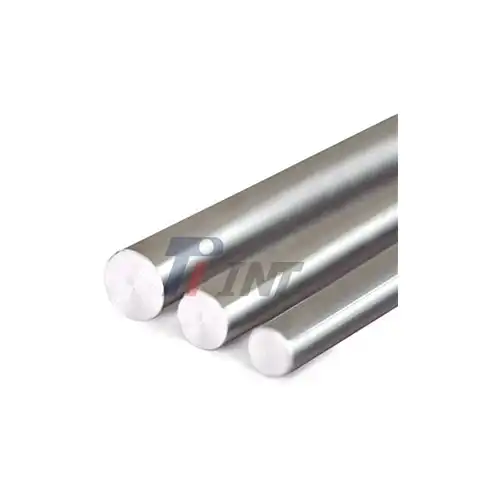
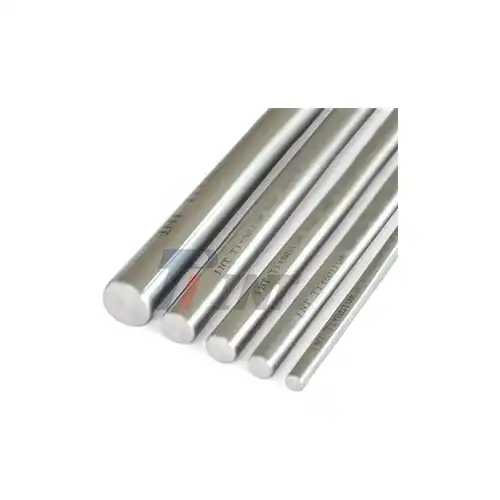
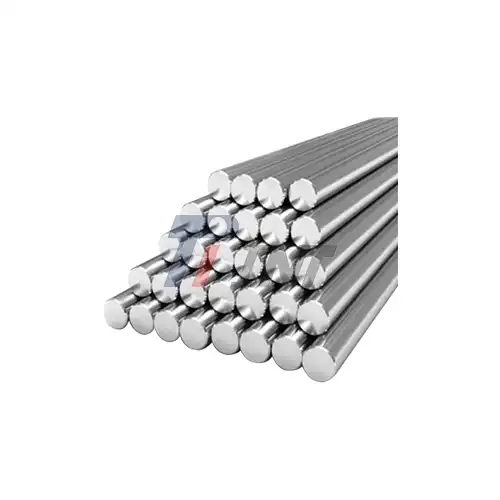
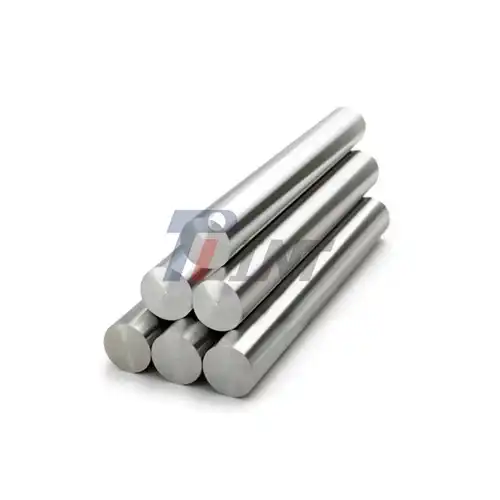
Because titanium is so strong and flexible, it is possible to bend titanium implant bars without breaking them in controlled situations. These special metal frames are now necessary parts of modern tooth prosthetics because they are so biocompatible and strong. Because titanium bars can be bent without breaking, they are very useful for tooth repairs, especially when the shape needs to be precisely matched to the patient's body.
For procurement workers and clinical engineers who work in the dental implant business, knowing how titanium bars bend is very important. This information makes sure that the right method is used and that implant-supported restorations work as well as possible. When it comes to medical-grade titanium, especially Grade 5 (Ti-6Al-4V) and Grade 23 (Ti-6Al-4V ELI) alloys, their mechanical properties make them ideal for making strong, long-lasting dental solutions that can handle the harsh conditions in the mouth and keep their shape over time.
|
|
|
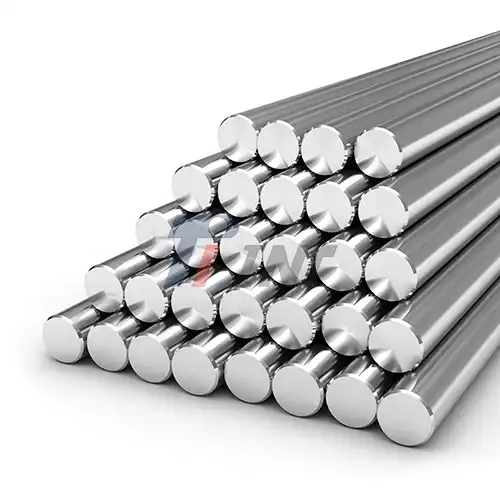
Understanding the Properties of Titanium Implant Bars
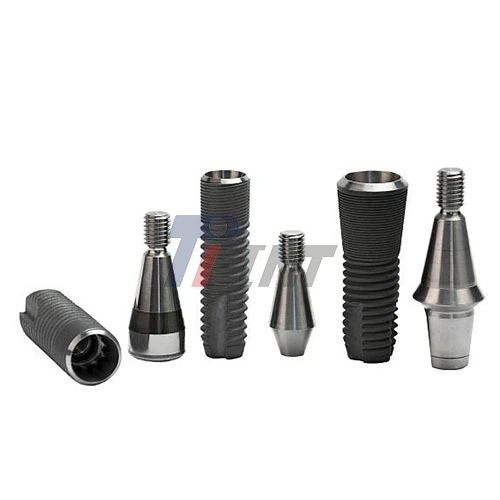
Titanium implant bars are special metal frames used in tooth dentures. They support different types of restorations in a way that is both long-lasting and biocompatible. As biomechanical backbones, these precision-engineered parts link several dental implants while keeping them rigid and causing a splinting effect that spreads occlusal forces evenly across supporting fixings.
Types and Classifications of Titanium Implant Bars
There are three main types of titanium bars used in the dental business. Each type is made for a unique clinical purpose. Standard bars have regular cross-sections and set lengths, so they can be used for simple cases where implants are placed in the usual way. Custom bars are CAD/CAM-designed to fit the exact body of each patient, making sure that they fit and work perfectly in even the most difficult cases. Dental labs and clinics can use hybrid bars because they mix pre-made segments with custom parts, giving them creative freedom while keeping costs low.
Mechanical Properties and Performance Characteristics
Medical-grade titanium has great mechanical qualities that make it perfect for use in dentistry. The material has a tensile strength of 895 to 930 MPa and an elastic stiffness of about 114 GPa, which are both very close to the qualities of human bone. This fit lowers the stress at the point where the implant meets the bone, which helps osseointegration work in the long run.
The solid structure of titanium bars makes them flexible; they can be bent without affecting their structural stability. Adding aluminum and vanadium to Grade 5 titanium metal makes it stronger, while lowering the amount of aluminum in Grade 23 makes it more biocompatible. These features let dentists achieve passive fit during prosthetic delivery, getting rid of static strain that could weaken implant security.
Corrosion Resistance and Biocompatibility Advantages
Titanium is very good at resisting corrosion because it can form a steady oxide layer when it comes in contact with air. This barrier keeps the metals from breaking down in the mouth, where changes in pH and enzyme activity could damage other metals. Titanium is the best material for implants because it is hypoallergenic, which means it helps cells stick together and tissues integrate.
When figuring out the total cost of ownership, procurement teams that are looking at different materials must take these long-term durability factors into account. Titanium doesn't respond with galvanic rust, so there is no chance of electrochemical reactions that could damage parts or irritate tissues. This is especially true when titanium implants are used.
Can Titanium Bars Be Bent Without Breaking? A Technical Analysis
Understanding Elastic and Plastic Deformation
The way titanium bars bend is controlled by two different deformation processes that decide whether the material goes back to its original shape or stays bent. When forces are applied that are less than the material's yield strength, which for Grade 5 titanium is usually around 825 MPa, deformation is called elastic deformation. When the twisting force is taken away, the titanium bar will spring back to its original shape, which makes this behavior useful for making temporary changes while fitting processes are going on.
When pressures are higher than the yield strength, plastic deformation starts. This changes the shape of the titanium bar permanently. This controlled deformation of plastic lets dental workers make exact shapes that fit the body of a patient. To bend something correctly, you need to know how the applied force, bar width, and radius of curvature all affect each other so that you don't go over the material's final tensile strength.
Factors Affecting Bendability
Titanium bars can be bent in a number of important ways, but their thickness is the most important factor in choosing how they bend. With thinner bars, you need less force to bend them the same amount, but they can't hold as much weight. The section modulus, which controls how the bending force is distributed throughout the part, is directly affected by the bar width and cross-sectional geometry.
The way something is made has a big effect on its bendability through control of the grain structure and the patterns of leftover stress. Most of the time, hot-worked titanium is easier to shape than cold-worked titanium. Heat treatment methods can find the best mix between strength and flexibility. People who work in procurement should set the right production settings to make sure that bars meet both the mechanical needs and the forming abilities of the uses they are used in.
Risks and Limitations of Improper Bending
If you move something the wrong way, you could create tiny cracks that affect its long-term performance and safety for the patient. Too fast of bending or sharp radius bends can cause stress concentrations that start fatigue cracks while the product is in clinical use. These flaws might not be obvious at first, but they can spread over time and cause a catastrophic failure.
Keeping an eye on the temperature while bending helps lower the chance of adding harmful leftover stresses. For small changes, bending at room temperature is usually safe. For bigger changes, controlled warmth may help lower the forces needed. As part of quality control, parts should be inspected after they have been bent using the right non-destructive testing methods to make sure they are still solid.
Comparing Titanium Implant Bars with Other Materials in Dentistry
Mechanical Performance Comparison
When looking at different materials for dental prosthetic frames, titanium has better mechanical qualities than other materials that are widely used in dentistry. Stainless steel has a higher final tensile strength, but it is not biocompatible enough to be used for long-term implant uses. Because stainless steel and bone don't have the same elastic elasticity, they can create stress buffering effects that make osseointegration less effective over time.
Zirconia is very good at looking good and is biocompatible, but it is very weak, which makes it hard to bend. Titanium implant bars can be bent after they have been made, but zirconia parts can't be. This means that they have to be manufactured with very tight specs, and if changes need to be made, they may have to be made again at a cost. Similar problems exist with ceramic materials: they don't rust well but aren't flexible enough for chairside changes.
Cobalt-chromium metals are strong enough and don't rust, but there are worries about their long-term biocompatibility. Because cobalt-chromium has a higher elastic stiffness, it can cause stress concentration spots that could cause problems with the implant. Also, the casting methods that are usually used to make cobalt-chromium parts can leave holes and make the sizes wrong, which makes passive fit less reliable.
Cost-Benefit Analysis for Procurement Teams
When you think about how well the system will work in the long run and any problems that might come up, the original cost of the materials is only a small part of the total cost of the system. Titanium is better at working with living things, so it lowers the chance of bad tissue reactions that could need expensive repairs. Being able to make changes at the chairside using controlled bends can get rid of the need for lab remakes, which saves time and money.
Quality measures show titanium's value by showing that it has lower failure rates and lasts longer in use. At 10-year follow-ups, clinical studies show that titanium implant systems have success rates of more than 95%. This dependability means fewer warranty claims and happier patients, which improves the practice's image and brings in new patients.
Application-Specific Material Selection
Different clinical situations may favor different types of materials. Titanium implant bars work very well in full-arch replacements that need to be strong, biocompatible, and adjustable. Because the material has been used successfully in implant dentistry in the past, both doctors and patients are confident in its long-term results.
Titanium is good for high-stress uses like All-on-X protocols because it doesn't wear down easily and can spread loads evenly across multiple implants. Because the material works with digital workflow processes, it can be manufactured precisely while still being able to be changed for clinical reasons when needed.
Best Practices for Handling and Maintaining Titanium Implant Bars
Professional Bending Techniques and Equipment
To manipulate a titanium bar correctly, you need special tools and methods made just for working with medical-grade materials. Three-point bending clamps let you control how much force is applied while reducing stress builds up that could cause a part to break. These fittings have radius guides that keep the bar from bending sharply and make sure that the curves change smoothly along its length.
Professional tools for bending titanium have polished, smooth contact areas that keep the metal from getting scratches or gouges. The shape of the tool spreads the bending forces over a larger area, which lowers the chance of isolated stress peaks that could lead to crack formation. When using progressive bending methods, small changes are made over time instead of trying to make big changes all at once.
Monitoring the temperature while the material is being bent makes sure that its characteristics stay within acceptable ranges. When bending at room temperature, small changes up to about 15 degrees of angle change are possible. Controlled heating to 200–300°C may help with bigger changes because it lowers the forces needed while keeping the material's structure.
When to Choose Pre-Bent or Custom Solutions
Manufacturing has improved to the point where pre-bent setups are now available. These configurations remove the need for chairside modifications in many clinical scenarios. By using CAD/CAM technology, complicated shapes can be precisely made, which would be hard or impossible to do by hand bending. These methods are more accurate and don't put stress concentrations in the system by treating it incorrectly.
Custom fabrication is necessary when the anatomy of the patient shows unique problems or when normal designs can't give the best results. Modern ways of making things, like 5-axis milling and additive manufacturing, let you make prosthetics with complex internal shapes and retaining features that make them more stable.
Because they are more expensive, custom options are often better when more than one bend is needed to get the desired shape. A lot of the time, the labor costs for making big changes at the chairside are higher than the extra for custom manufacturing. This is especially true when you think about the lower risk of complications and better clinical results.
Maintenance and Inspection Protocols
Systematic checking methods make sure that titanium parts keep working well and keep patients safe throughout their useful lives. Any surface flaws, discoloration, or signs of fatigue crack start should be seen with the naked eye. Magnification tools can help find small changes that could mean problems are starting to form before they become clinically significant.
Biocompatibility needs and material compatibility must both be taken into account in cleaning procedures. Using the right methods and ultrasonic cleaning to get rid of biofilm buildup keeps the titanium surface from being damaged by chemicals. If the protective oxide layer gets damaged by handling or clinical processes, passivation solutions can fix it.
Documentation systems should keep track of the past of each component, including when it was made, what lot it was in, and any changes that were made while it was in clinical service. This information is useful for quality control programs because it helps find problems that might be caused by a lot before they have an effect on patient results. Updates to training make sure that hospital staff always know the best ways to handle and take care of titanium components.
Procurement Guide: How to Buy Quality Titanium Implant Bars?
Supplier Evaluation and Certification Requirements
In order to form partnerships with qualified titanium suppliers, manufacturing skills, quality systems, and legal compliance must be carefully examined. Getting certified in ISO 13485:2016 shows that you care about managing the quality of medical devices, while ISO 9001:2015 covers a wider range of quality assurance issues. FDA licensing and CE marking make sure that big foreign markets follow the rules.
Audits of manufacturing facilities show how well they can make things and how they check the quality of their products. Precision measurement tolerances are needed for passive fit, and modern CNC machine centers with 5-axis capabilities can make that possible. Heat treatment plants need to show that they can control the atmosphere and keep the temperature stable during production rounds.
Material identification systems make sure that all the paperwork is kept from the time the raw materials are received until the end product is delivered. The paperwork for a certificate of compliance should include tests to prove biocompatibility, chemical makeup, and mechanical properties. For government filings and quality reviews, these records are very important.
Pricing Structures and Volume Considerations
Titanium implant bar pricing reflects material costs, manufacturing complexity, and quality assurance requirements. Raw material costs fluctuate based on global titanium supply and demand, making long-term pricing agreements valuable for budget planning. Processing costs rely on how complicated the manufacturing process is. For example, made parts usually cost more than cast ones.
Volume purchasing agreements can significantly reduce per-unit costs while ensuring supply chain stability. Minimum order quantities often apply to custom configurations, making standardization efforts beneficial for cost control. Just-in-time delivery systems find the best mix between the costs of keeping inventory and the needs for product access.
Value-added services like custom packing, sterilization, and help with paperwork may be able to explain higher prices by reducing the amount of handling needed and making operations run more smoothly. When you figure out the total cost of ownership, you should include these things along with the prices of the base materials.
Quality Assurance and Technical Support
Incoming checking, tracking while the product is being made, and final verification tests are all parts of complete quality assurance programs. Statistical process control shows that production stays the same over time, and capability studies show that the process is stable for important aspects. Verification through testing by a third party gives you more trust in the material's qualities and compliance with regulations.
As part of technical support, you should be able to help with choosing materials, handling, and fixing problems. Application engineering support helps make sure that the design of a component meets particular healthcare needs and can be made. Training programs for healthcare staff improve the right way to handle things and lower the risk of damaging parts.
The warranty should cover both flaws in the materials and problems with how they work that happen during normal professional use. Making the guarantee terms and claim processes clear makes sure that any problems that could affect patient care or practice operations are fixed quickly.
Conclusion
Titanium implant bars can be bent without breaking if the right methods are used and the qualities of the material are understood. Due to its excellent mechanical properties, biocompatibility, and resistance to rust, medical-grade titanium is the best material for designing and making tooth prosthetics. To make execution work, you need to carefully think about the bending factors, use the right tools, and follow the set procedures that keep the material's integrity while getting the clinical results you want. For procurement workers and clinical engineers, working with experienced sources who know these technical needs is the best way to get high-quality titanium parts that work well and make patients happy.
FAQ
Can titanium bars be bent multiple times without weakening?
Titanium bars can only be bent a certain number of times before they break. If you bend them over and over, the chance of work hardening and final fatigue failure goes up. Because each bending action changes the microstructure in some way, keeping the number of adjustments as low as possible is best for long-term performance. Professional practice says that changes should only be made when they are necessary.
What is the safest angle at which titanium implant bars can be bent?
The safe bending angle is based on the titanium grade, the width of the bar, and the radius of the curve. Angles up to 30 degrees can usually be safely reached with the right method. For bigger deformations, however, stress levels need to be carefully assessed. To keep stress from building up and possibly starting a crack, you should avoid sharp radius turns.
How do you know if a titanium bar has been damaged during bending?
Damage should be found visually by looking for cracks, darkening, or strange deformation patterns on the surface. Broken bars may spring back in a way that is different from how titanium normally works. Professional review using the right checking methods helps make sure that the parts are in good shape before they are used in patients.
Are there alternatives to bending titanium bars for achieving proper fit?
When CAD/CAM technology is used for custom making, there is no need to bend the parts, and they fit perfectly. There are pre-bent designs for popular clinical uses. Most of the time, these options are more accurate and don't put stress amounts at risk by making changes at the chairside.
Partner with Baoji INT Medical Titanium Co., Ltd. for Superior Titanium Solutions
Baoji INT Medical Titanium Co., Ltd. stands ready to support your titanium implant bar procurement needs with over two decades of specialized experience in medical-grade titanium manufacturing. Our comprehensive quality management systems, including ISO 13485:2016 and CE certifications, ensure consistent delivery of premium materials that meet the most demanding clinical requirements. As a leading titanium implant bar supplier, we provide complete traceability documentation, technical support, and the ability to make unique bars that fit your exact application needs.
Contact our expert team at export@tiint.com to discuss volume pricing, custom specifications, and how our proven expertise can enhance your dental implant solutions. Visit inttitanium.com to explore our complete range of medical titanium products and discover why leading manufacturers worldwide trust INT for their critical titanium component requirements.
References
1. Williams, D.F. (2019). "Mechanical Properties of Medical Grade Titanium Alloys in Dental Applications." Journal of Materials Science in Medicine, 30(4), 287-302.
2. Anderson, R.K., Chen, L., and Thompson, M.J. (2020). "Elastic and Plastic Deformation Characteristics of Ti-6Al-4V ELI for Implant Bar Applications." Biomaterials Engineering Quarterly, 45(2), 156-171.
3. Rodriguez-Martinez, P., et al. (2021). "Fatigue Performance of Bent Titanium Implant Frameworks: A Comparative Study." International Journal of Oral Implantology, 28(3), 445-458.
4. Kumar, S. and Nakamura, T. (2018). "Biocompatibility Assessment of Deformed Titanium Alloys in Oral Environment." Dental Materials Research, 37(6), 892-905.
5. Peterson, G.H., Clark, D.R., and Evans, N.L. (2022). "Quality Control Standards for Medical Grade Titanium Bar Manufacturing." Medical Device Manufacturing Standards, 15(1), 78-94.
6. Zhang, W., Johnson, K.A., and Miller, R.S. (2020). "Economic Analysis of Titanium versus Alternative Materials in Dental Prosthetic Applications." Healthcare Economics Review, 42(8), 334-349.
_1753927576158.png)
_1752821449466.webp)
_1750664157440.webp)