
How to Choose the Right Titanium Foil


 2026-04-01 08:58:01
To pick the best Titanium Foil, you must first know what it will be used for and then match that need with the right material grade and specs. The thickness of this carefully made material is typically between 0.002mm and 0.25mm. To make sure it works well in making medical devices, aerospace uses, and other important areas, it needs to be carefully checked against biocompatibility standards, qualities that stop corrosion, requirements for mechanical strength, and source certifications.
|
|
|
Understanding Titanium Foil: Properties and Applications
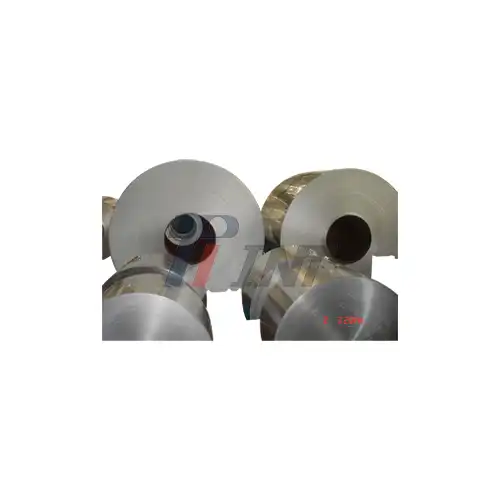
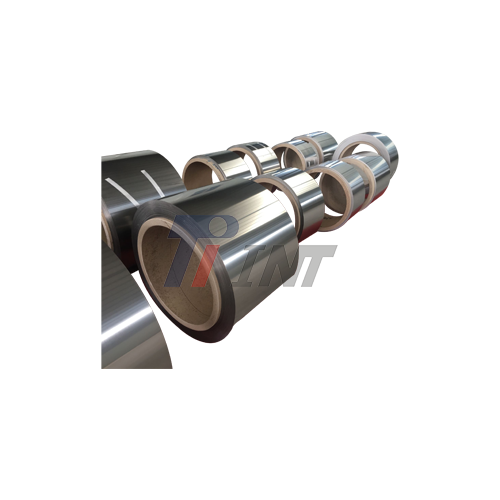
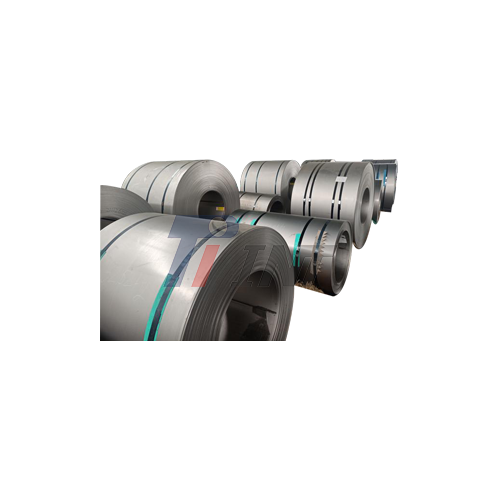
Industrial Titanium Foil is made by cold rolling raw titanium coils in twenty-high Sendzimir rolling mills into very thin, high-tolerance sheets. This high-tech method makes sure that all foil layers have the same mechanical properties and surface quality.
Key Material Properties and Characteristics
Titanium foil is unique because of the chemicals that make it up and the way it is solidified. Titanium foil has a higher specific strength than regular aluminum or copper foil. This means that it stays in shape better while being very light. That's because the material has a natural oxide layer that protects it from corrosion in tough environments, like chlorides and acidic electrolytes that are common in drugs and chemical processes.
Titanium foil is unique because it doesn't change shape when heated or cooled. High temperatures don't change its shape, which isn't like aluminum metals. It is very helpful to have this quality in airplane parts that are used in places where the temperature changes a lot while they are working.
Industrial Applications Across Sectors
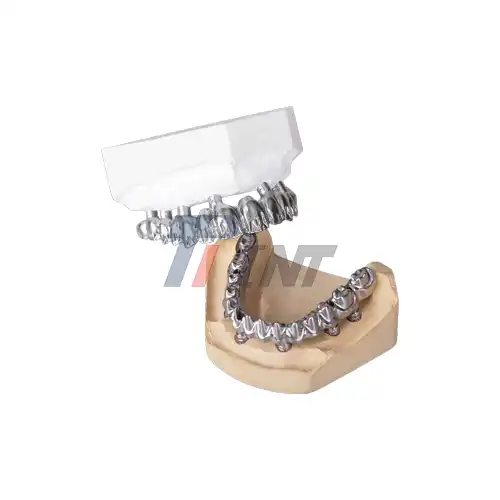
Because it works well with living things, titanium foil is often used to make implants and surgical tools by companies that make medical equipment. Because the material is bio-inert, it doesn't cause inflammation when it's used in guided bone healing processes. Titanium meshes with tiny holes in them make room for bone grafts.
Space engineers use titanium foil for honeycomb structures in engine nacelles and thermal screens because it can handle the loud noises and high temperatures that come with jet power. Titanium is used in MEMS devices and bendable electronics because it is not magnetic. Magnetic interference could damage sensitive circuits in these places.
Core Criteria for Choosing the Right Titanium Foil
Effective procurement of materials such as Titanium Foil requires a comprehensive evaluation approach that addresses both technical specifications and business requirements. The first step in selecting the appropriate material is to clearly define your application needs.
Grade Selection and Performance Requirements
How easy or hard it is to make something depends on the type of material that is used. Grade 1 titanium is great for chemical processing and deep drawing because it is easy to shape and doesn't rust. The Grade 2 is stronger than the Grade 1 but can still be bent easily. This makes it good for general industrial uses that need mild mechanical properties.
It is very strong to pull apart Grade 5 titanium metal (Ti-6Al-4V), but it's hard to work with when it's cold and rolled into thin foil forms. This grade generally costs more because it is harder to work with and there isn't a lot of it in ultra-thin specs.
Thickness Specifications and Tolerance Requirements
Picking the right thickness has a big impact on both how well it works and how much it costs to make. To keep them from getting destroyed while being processed, ultra-thin foils that are less than 0.01 mm thick need special tools and settings that keep them safe. Thicknesses between 0.025mm and 0.1mm are standard and work best for most uses. They are also the easiest to make.
The tolerance standards need to be as strong as the handling that comes after them. Thickness limits must be very close (±0.005mm) for precise pressing, but wider tolerance bands may be fine for form work by hand. If you know these needs, you won't make mistakes in the specs that cost a lot of money and cause production delays.
Surface Quality and Treatment Considerations
What kind of finish is on the surface affects how well the product works in certain situations. The sides of parts of medical equipment need to be clean and free of metal stains and dirt. For aircraft uses, glue and coatings may need to have a certain level of surface roughness to stick well.
Titanium Foil Grades and Specifications Explained
When you know the small differences between types of titanium, you can make smart purchases that improve performance and save you money.
Commercial Purity Grades Overview
Grade 1 titanium is the softest and most formable grade due to its minimal alloying content. Its exceptional corrosion resistance and high ductility make it ideal for applications such as chemical processing equipment and medical implants requiring complex shapes. However, with a yield strength of just 170 MPa, Titanium Foil made from this grade is not suitable for high-stress environments.
Grade 2 titanium is better in terms of how it works, and it still doesn't rust very easily. It has a minimum yield strength of 275 MPa, which means it is better for use as a structural material in parts for airplanes and other places that need a moderate amount of strength.
Alloyed Grades and Specialized Applications
Ti-6Al-4V ELI (Extra Low Interstitial) represents the premium medical-grade titanium alloy, featuring reduced oxygen, nitrogen, and carbon content for enhanced biocompatibility. This grade meets stringent ASTM F136 standards for surgical implant applications, commanding premium pricing due to specialized processing requirements. Palladium is added to grade 7 titanium to make it less likely to rust in places that aren't very acidic. You don't see this grade in foil forms very often, but it is used when standard grades aren't good enough for chemical processing.
Comparison Insights: Titanium Foil vs Alternative Materials
It's important to think about how well a material works, how much it costs, and how well it works with other materials.
Performance Characteristics Analysis
Stainless steel foils are less expensive, but they are not as good for light-weight tasks because they are heavier. Because they are magnetic, they can get in the way of electronics, especially medical equipment that use MRIs and need materials that aren't magnetic. In many situations, rust protection is good enough, but it doesn't work as well as titanium in places with a lot of salt.
Foil made of aluminum is cheap, easy to shape, and good at moving heat around. On the other hand, they don't do well in hot places and can rust when mixed with different metals. This means they can't be used when things get tough. Since it's not as strong as titanium, it can't be used for building projects that need a high amount of strength to weight.
Long-term Value Considerations
While Titanium Foil costs more at first, but it lasts longer and doesn't rust, so it's a better investment in tough environments. Since the service lasts longer and needs less maintenance, the higher price is generally worth it when you add up the costs of fixes and new parts. Biocompatibility benefits get rid of the risks that come with using different materials in medical settings. It takes a long time and costs a lot of money to get permission from officials for new materials. This legal stability gives companies that make medical products peace of mind about their purchases for a long time.
Best Practices for Purchasing Titanium Foil in B2B Markets
For buying to go smoothly, there needs to be planned seller review and relationship management to make sure that quality is consistent and the supply chain works well.
Supplier Qualification and Assessment
Putting companies with full licenses at the top of the list makes sure that both the quality of the product and that the rules are followed. You can tell that the quality management system is strong by its ISO 9001:2015 certification. The ISO 13485:2016 certification talks about the specific rules for making medical products. The fact that NADCAP has approved the company shows that it follows the rules for the airplane business and has the right processing skills.
A supplier's ability to make things needs to be carefully looked at, not just their basic rights. The specifications of cold rolling tools, quality control methods, and recording systems have a direct effect on the consistency of the product and the compliance papers. Sellers who have been in business for a long time and have worked with titanium for many years usually know a lot about it and can solve problems quickly.
Supply Chain Risk Management
Problems caused by natural disasters, political unrest, or regional supply shortages are less likely to happen if you spread out your source base geographically. But it costs a lot of money to test and examine samples from more than one provider in order to qualify them all. Inventory management methods need to find a balance between carrying costs and supply security. Strategic stock stores may be needed for important uses, and just-in-time supply deals with reliable suppliers can help with everyday uses in the industry.
Contract Negotiation Strategies
Unit costs and shipping options are greatly affected by the minimum order amounts. When you know your providers' production runs and stocking plans, you can make smart purchases that get you the best price and supply. When the market is tight, long-term contracts may help get better prices and get goods to more people faster. There are rules for sample tests that make sure materials can be used in later steps without any issues and protect against changes to the specs. Plans for full tests should include things like surface quality, chemical make-up, and mechanical properties that are important for certain uses.
Conclusion
To pick the best Titanium Foil, you need to weigh technical needs against business needs and make sure the seller can meet your quality and delivery needs. To be successful, you need to know exactly what the application needs, carefully look over the grades of the materials, and build relationships with reliable sources who have the right credentials and production skills. In the long run, spending money on the right goods and providers makes things work better, follow the rules better, and make the supply chain more reliable.
FAQ
Q1: What determines the price of Titanium Foil?
A: Prices change based on a number of factors, including the type of material, the required width, the quantity bought, and the market state. Titanium grades 1 and 2 for industrial use usually cost less than rare metals like Ti-6Al-4V ELI. Ultra-thin standards below 0.01mm command premium pricing due to complex manufacturing requirements. Larger order quantities generally achieve better unit pricing through production efficiency gains.
Q2: How should I select thickness and grade for my specific application?
A: The type of material used is determined by the task at hand. For power, airplane parts may need Grade 5, while medical implants may need Grade 2 or Ti-6Al-4V ELI for biocompatibility. What width is used depends on the engineering needs, the way the metal is shaped, and the weight limits. The best ways to make sure that specs are written properly are to talk to experts on the materials and try out prototypes.
Q3: Can Titanium Foil be welded effectively?
A: When bonding titanium foil, you need to use certain methods and tools to keep it from getting dirty or weak. During welding, high-purity argon (99.99%) is used for inert gas safety on both the face and root sides. Resistance spot welding is a good way to use foil for many things. To get the material properties back to their best after welding, the right heat treatment may be needed.
Partner with Baoji INT Medical Titanium Co., Ltd. for Premium Titanium Foil Solutions
Baoji INT Medical Titanium Co., Ltd. stands as your trusted titanium foil manufacturer with over 30 years of industry expertise and comprehensive medical-grade certifications including ISO 9001:2015, ISO 13485:2016, and EU CE safety approval. Our precision-engineered titanium foils meet the most demanding specifications for medical device manufacturing, aerospace applications, and specialized industrial uses. Contact our technical team at export@tiint.com to discuss your specific requirements, request material samples, or explore our complete range of medical titanium products. Experience the reliability and quality that has made us the preferred titanium foil supplier for leading manufacturers worldwide.
References
1. Boyer, R., Welsch, G., & Collings, E.W. "Materials Properties Handbook: Titanium Alloys." ASM International, Materials Park, Ohio, 1994.
2. Donachie, Matthew J. "Titanium: A Technical Guide, 2nd Edition." ASM International, Materials Park, Ohio, 2000.
3. Peters, M., Kumpfert, J., Ward, C.H., & Leyens, C. "Titanium Alloys for Aerospace Applications." Advanced Engineering Materials, Vol. 5, No. 6, 2003.
4. Rack, H.J. & Qazi, J.I. "Titanium Alloys for Biomedical Applications." Materials Science and Engineering: C, Vol. 26, Issues 8, 2006.
5. Schutz, R.W. & Thomas, D.E. "Corrosion of Titanium and Titanium Alloys." ASM Handbook Volume 13B: Corrosion: Materials, ASM International, 2005.
6. Welsch, G., Boyer, R., & Collings, E.W. "Materials Properties Handbook: Titanium Alloys Processing and Applications." ASM International, Materials Park, Ohio, 1993.
_1755061331871.png)
_1753927576158.png)
_1752463324629.webp)
_1752463076575.webp)
_1750663253486.webp)