
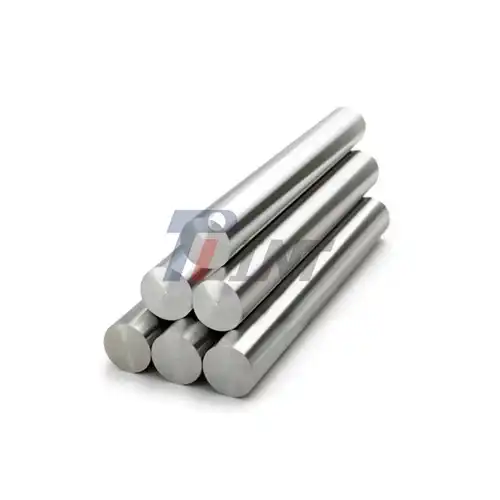
Which industries most commonly purchase GR1 titanium medical bars?


 2026-07-07 08:20:39
Many businesses choose the Gr1 Titanium Medical Bar as the best material, but medical device production has the most demand. Due to GR1's excellent biocompatibility and rust resistance, the main buyers are companies that make dental implants, orthopaedic supplies, and surgery instruments. Aerospace companies that make medical support equipment and bioscience research centers that need high-purity materials for lab tools also regularly buy these bars. The most important things for all of these businesses are that materials meet certification requirements, have stable mechanical qualities, and can be trusted as a supplier.
|
|
|
Introduction
In the medical industry sector, choices about what to buy are very important. The right material choice has a direct effect on how well the product works, how safe it is for patients, and how quickly it gets approved by regulators. For their unique mix of purity, biocompatibility, and mechanical stability, Gr1 Titanium Medical Bars have become important parts in many medical and commercial settings.
We've seen procurement workers, supply chain managers, and R&D engineers under more and more pressure to find products that meet higher and higher quality standards while still being cost-effective. This guide solves those problems by looking at which industries buy Gr1 Titanium Medical Bars the most and explaining why those industries need this grade.
Understanding the buying habits of a certain industry can help buyers make better choices about where to buy things, find trustworthy providers, and keep their production methods up to international standards. When looking for materials to make implants, surgical tools, or specialised study equipment, it's helpful to know where Gr1 Titanium Medical Bars fit in the bigger picture of the market. This can help you in negotiations, quality control, and building long-term relationships with suppliers.
Understanding GR1 Titanium Medical Bars: Properties and Standards
Gr1 Titanium Medical Bar is commercially pure titanium that has unique properties that set it apart from other grades. There are very small amounts of oxygen, nitrogen, carbon, hydrogen, and iron in the material, but it is at least 99.5% titanium. Because it is so pure, it is also very biocompatible, which makes it perfect for uses that involve direct touch with human flesh.
ASTM B348 and ISO 5832-2 standards, which spell out specific requirements for medical-grade titanium goods, are met by the material. These guidelines set very tight limits for things like chemical make-up, mechanical features, and production methods. The tensile strength of Gr1 Titanium Medical Bar is between 240 and 345 MPa, and the yield strength is between 170 and 275 MPa. Even though these values seem lower than those of higher-grade titanium alloys, they are strong enough for many medical uses and can be shaped and welded very well.
Superior Biocompatibility and Corrosion Resistance
Biocompatibility is the most important thing about Gr1 Titanium Medical Bar for medical uses. When exposed to body fluids, the material makes a stable, non-reactive oxide layer that stops tissue reactions and lowers the risk of rejection. Also, this inactive oxide layer is very good at stopping corrosion, even in chloride-rich settings like blood and saline solutions. Through osseointegration, a process in which living bone cells connect directly to the titanium surface, clinical tests have shown that Gr1 Titanium Medical Bar can safely fuse with bone tissue.
Material Specifications and Quality Control
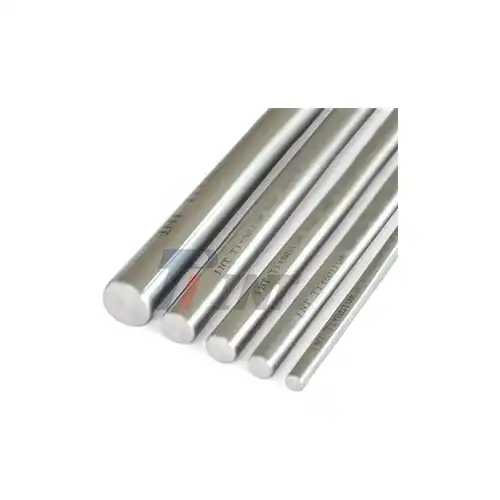
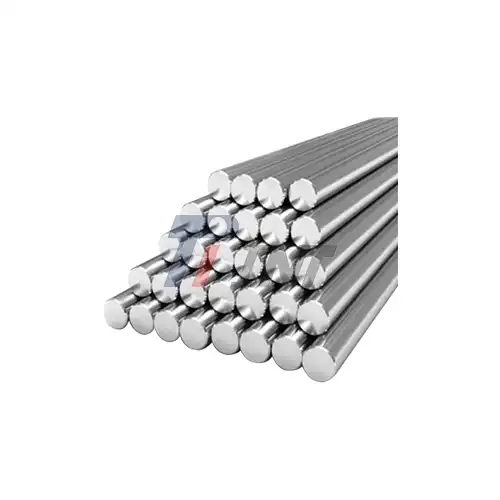
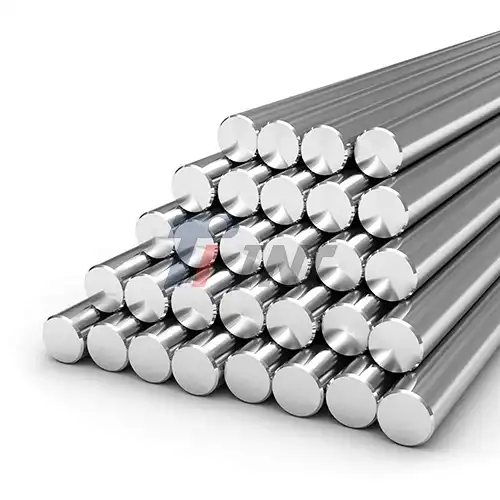
Gr1 Titanium Medical Bars made for medical use come in a range of sizes, with diameters from 3 mm to 300 mm and normal lengths up to 6000 mm. Custom specs can be made to meet the needs of a particular application. Controlling the quality of manufacturing includes acoustic testing, checking the dimensions, checking the surface finish, and doing a full chemistry analysis. Each batch comes with paperwork that can be used for tracking. This includes material certificates, test results, and compliance statements that meet FDA, CE, and ISO 13485 standards.
Comparison with Alternative Titanium Grades
Gr1 Titanium Medical Bar is a little more pure than GR2 titanium, with a maximum oxygen level of 0.18% compared to 0.25%. This makes it easier to shape and bend. GR5 titanium alloy (Ti-6Al-4V) is stronger, but it has aluminium and vanadium in it, which may make it less biocompatible in some long-term implant situations. The lower hardness of Gr1 Titanium Medical Bar (120–140 HV) makes it easier to machine complicated part shapes, which lowers production costs and tool wear.
Top Industries Purchasing GR1 Titanium Medical Bars and Their Procurement Needs
Gr1 Titanium Medical Bars are mostly used in the medical device making industry, which accounts for most of the world's demand. Within this broad group, there are a number of specialised subsectors that stick to regular buying habits based on the needs of their specific applications.
Medical Implant Manufacturing
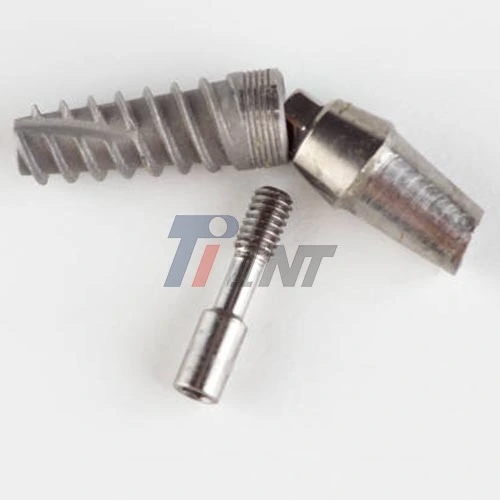
Companies that make dental implants buy a lot of Gr1 Titanium Medical Bars. Through precise cutting, these businesses turn raw bars into implant posts, abutments, and healing caps. As the population ages and people become more concerned with how they look, the dental implant market continues to grow steadily. This keeps the demand for high-purity titanium products high. In this industry, purchasing managers put a high value on being able to track materials, making sure that batches are always the same, and getting licenses that make regulatory reports easier across multiple markets.
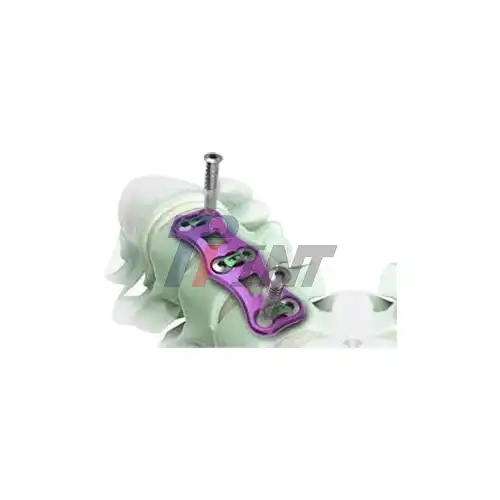
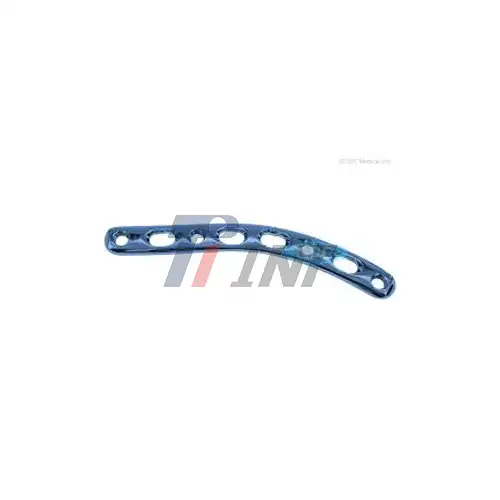
Orthopaedic device makers use Gr1 Titanium Medical Bars in certain situations where biocompatibility is more important than strength. Some examples are small bone pins, tooth fixation plates, and parts for reconstructing the face and skull. The material is great at integrating with flesh, which makes it perfect for gadgets that will be implanted permanently. When making orthopaedics, procurement professionals usually do thorough audits of suppliers, asking for detailed paperwork of their quality control systems and proof that they have followed all the rules in the past.
Surgical Instrument Production
Gr1 Titanium Medical Bars are used by companies that make surgical instruments to make lightweight, corrosion-resistant tools that can be sterilised over and over again. Titanium's strength-to-weight ratio and nonmagnetic qualities make it useful for instruments like forceps, retractors, needle holds, and specialised microsurgical tools. The material's resistance to chemical breakdown during repeated steam sterilisation processes makes instruments last longer and saves healthcare facilities money on replacement costs.
Manufacturers in this group often need bars with certain surface finishes that make cleaning easier later on. They like it when sources can give them expert advice on things like machining parameters, heat treatment methods, and different ways to treat the surface. Before large-scale orders are made, procurement processes usually include sample testing phases where prototype instruments are used in the field.
Aerospace Medical Equipment
The aircraft industry buys Gr1 Titanium Medical Bars to make special medical gear that is used in space missions and on flights. Some of these uses are portable surgery kits, emergency medical tools, and physiological tracking gear, all of which need people to lose weight. The material's ability to prevent corrosion is very important in cabins with a lot of dampness and when it comes into contact with aircraft fuels and hydraulic fluids.
Aerospace medical equipment makers have very strict rules about who can buy their products, and they often need extra tests on top of standard medical licenses. In this industry, buyers want providers who know how to deal with the complicated material standards and paperwork that come with working in aerospace. Long-term supply deals are popular because the processes for qualifying new suppliers take a lot of time and money.
Biotechnology and Research Applications
Gr1 Titanium Medical Bars are used by biotechnology companies and research institutions to make lab tools, bioreactor parts, and samples for experimental implants. These groups need smaller amounts, but they want the materials to be very pure and have a lot of paperwork. For experiments to be repeatable, research-focused buying stresses that materials should be the same across runs.
When making new medical devices, universities and research hospitals often buy from specialised science suppliers or straight from makers. They often ask for custom sizes and treatments on the surface that are made to fit specific testing methods. For publication standards and patent applications, supporting paperwork that shows how the materials were made and what they are made of becomes very important.
OEM and Contract Manufacturing
OEM manufacturers and contract manufacturers buy large amounts of Gr1 Titanium Medical Bars to make parts for medical device names. Often, these businesses are bound by strong confidentiality deals and make implants, instruments, or gadget parts based on secret specs. When they buy things, they want a stable supply chain, competitive prices for big orders, and a production schedule that can be changed to fit different order amounts.
Contract manufacturers like suppliers that offer more than just raw materials. For example, suppliers that offer cut-to-length services, basic cutting, and inventory management programs are valued by contract manufacturers. One important factor in choosing a provider is how quickly they can increase production for new products or when demand changes with the seasons. Certification needs are often the same as the end-brand client's, so suppliers need to have strong quality systems that can work with a lot of different legal standards at the same time.
Comparing GR1 Titanium Medical Bars with Alternative Materials in Medical Applications
When choosing a material, you have to weigh a lot of things, like how biocompatible it is, how well it works mechanically, how easy it is to make, and the total cost of ownership. In medical manufacturing, Gr1 Titanium Medical Bars mostly fight with other types of titanium and alloys made of stainless steel.
GR1 Versus GR2 Titanium
GR2 titanium has a little more oxygen than Gr1 Titanium Medical Bar, which makes it stronger (345–480 MPa tensile strength) but less flexible. Because of this trade-off, GR2 is better for uses that need a higher load-bearing capacity but also need simpler making processes. Because Gr1 Titanium Medical Bar is easier to shape, makers can make complicated shapes with smaller radii and more features without the material cracking or breaking during the manufacturing process. The price difference between Gr1 Titanium Medical Bar and GR2 is still very small, so choosing a material is mostly based on its use rather than its cost.
GR1 Versus GR5 Titanium Alloy
GR5 titanium (Ti-6Al-4V ELI) has a much higher tensile strength (860–965 MPa) thanks to the addition of aluminium and vanadium. Because of this, GR5 is better for devices that hold weight, like hip stems, spine rods, and trauma plates. But some makers only use Gr1 Titanium Medical Bar for uses that need to touch tissues for a long time in sensitive body parts.
This is because they are worried about the long-term release of aluminium and vanadium ions into the surrounding tissues. The lower hardness of Gr1 Titanium Medical Bar also lowers the cost of making by allowing faster cutting speeds and longer tool life. This is especially useful for large production runs of simple shapes.
GR1 Versus Stainless Steel
316L stainless steel has been used to make medical devices for a long time because it is cheaper and easier to work with. But Gr1 Titanium Medical Bar is better at resisting corrosion in living settings because it releases almost no metal ions, while stainless steel lets chromium and nickel move around. Because titanium is biocompatible, there are no worries about the metal sensitivity reactions that happen in a small number of patients.
Titanium has a lower density than stainless steel (4.5 g/cm³ vs. 8.0 g/cm³), which makes tools lighter and helps surgeons stay awake during long treatments. Lifecycle cost analysis often favours titanium over other metals because it is more resistant to rust, works well with living things, and lowers the number of surgeries that need to be redone.
Procurement Considerations for GR1 Titanium Medical Bars
To successfully buy medical-grade titanium materials, you need to know what the suppliers can do, how they make sure the materials are of good quality, and how the market works, which affects prices and supply. When hiring suppliers, people who work in procurement have to think about the total cost, the quality of the materials, whether the suppliers have the right certifications, and how reliable the deliveries of Gr1 Titanium Medical Bars are.
Supplier Selection Criteria
To find trusted Gr1 Titanium Medical Bar providers, you have to look at a lot of different aspects of their performance and ability. Suppliers must keep up with ISO 13485 medical device quality control systems and show that their products meet ASTM B348 and ISO 5832-2 standards. Certification compliance is the minimum requirement.
FDA registration (for goods going to the US) and the ability to use CE marking are signs of a well-established regulatory system. In addition to credentials, a supplier's knowledge making medical titanium is also very important. Companies that have been working with the medical market for a long time know that medical-grade materials have different standards for quality control, paperwork, and traceability than industrial-grade materials.
Investing in manufacturing capacity and technology can show if a seller will be around in the long run. Modern vacuum melting equipment, clean room machining facilities, and advanced testing tools (such as spectroscopy, ultrasonic inspection, and mechanical testing) show that the company is dedicated to quality and can meet strict requirements. Lead times and transportation costs are affected by geography, but the medical titanium supply chain is still mostly made up of specialised makers in a few areas around the world.
Pricing Factors and How the Market Works
The price of Gr1 Titanium Medical Bar depends on many things, such as the cost of raw materials, the difficulty of the process, the number of orders, and the state of the market demand. The price of raw titanium sponge changes based on world supply and demand. However, the price of medical-grade material is more stable than the price of industrial-grade material because of long-term supply relationships and contracts. Processing costs, which include melting, casting, rolling, heat treatment, inspection, and licensing paperwork, make up a big part of the end price.
The number of orders has a big effect on the unit price; buying in bulk usually gets you 15–25% off of small-lot sales. Different suppliers have different minimum order numbers, but for normal sizes, they usually start at around 100 kg. Extra costs are added for custom sizes or processing needs like specific surface finishes, more testing, or faster delivery. Setting up framework deals with agreed-upon yearly amounts helps keep prices stable and gives priority to certain orders when supply is limited.
Lead Times and Keeping track of Inventory
Standard-sized Gr1 Titanium Medical Bars usually get shipped within two to four weeks if the seller keeps them in stock. Manufacturing wait times for custom specifications are usually between 6 and 12 weeks, but can be longer or shorter based on the supplier's production plans and the complexity of the specifications. When planning purchases, you should include the extra time needed to check new materials, especially when getting to know new sources or setting up first-article inspection procedures.
A lot of companies that make medical devices work with key providers to set up vendor-managed inventory systems. This makes sure that materials are always available and cuts down on the costs of keeping inventory on-site. When people buy a lot of things at regular times, these plans work really well. Suppliers keep special stock for certain customers and release materials based on blanket purchase orders when production needs them. This method strikes a mix between supply security and the best use of operating capital.
OEM Collaboration and Technical Support
Experienced providers offer more than just raw materials; they also offer expert teamwork throughout the entire process of developing a product and making it. Capable providers help with choosing the right materials, improving the production process, and fixing problems that come up during cutting or shaping. It's especially helpful to have this technical relationship when making new goods or going from a prototype to mass production.
Support for documentation is another important aspect of provider service. For regulatory applications, medical device makers need to include a lot of information about the materials they use. This includes material certificates, test results, descriptions of the manufacturing process, and biocompatibility data. Suppliers who know the rules for many markets (FDA, EU MDR, PMDA, etc.) make it easier to gather paperwork and lower the risk of missing the approval deadline. Some providers keep large databases of biocompatibility testing results and can give reference data that can be used in particular situations, which makes testing easier for device makers.
Building Trust: Choosing Reliable GR1 Titanium Medical Bar Suppliers
In the medical titanium market, buyers and sellers build trust by showing they are competent, being honest, and performing consistently over time. There are a number of ways that procurement workers analyse possible suppliers and build trust in order to form long-term partnerships for sourcing Gr1 Titanium Medical Bars.
Certification Verification and Audit Processes
Checking the certifications of suppliers is the first thing that needs to be done to build trust. Procurement teams should ask for up-to-date copies of the ISO 13485 certificates and use independent proof to make sure the approval body is real. Checking the certification's scope makes sure it covers the right types of products and production methods. Besides looking at certificates, reading audit reports and records of corrective actions can help you understand how mature your quality system is and how well your provider is handling problems that have been found.
On-site source checks are the most thorough way to evaluate because they let you see the production facilities, quality control methods, and management systems up close. Quality engineers, buying experts, and sometimes regulatory affairs professionals who can check a supplier's ability to back up regulatory reports are common on audit teams. During checks, looking at paperwork for employee training, equipment repair programs, and calibration systems shows that the business is run with discipline, which leads to consistent product quality.
Quality Control and Testing Capabilities
The ability of a supplier to test directly affects the quality guarantee and tracking of materials. Chemical makeup analysis using optical emission spectroscopy, mechanical property testing (tensile strength, yield strength, and elongation), ultrasonic inspection for internal flaws, and checking the dimensions against the specs should all be part of thorough testing methods. Suppliers with approved in-house labs can turn around orders faster and keep a closer eye on the process than those who only use third-party testing services.
The ability to quickly look into quality problems if they happen downstream is made possible by material tracking systems that connect each bar to a specific melt batch, processing records, and test results. Digital traceability tools are used by advanced suppliers to give customers real-time access to test data and material paperwork. This openness builds trust and makes it easier to follow the rules by showing the full history of the materials from receiving the raw materials to shipping the finished goods.
Customer References and Industry Reputation
Checking a supplier's image through industry networks and customer references can give you useful information that audits and approvals don't. By asking present customers directly about quality consistency, shipping reliability, responsive technical help, and problem-solving skills, you can learn about strengths and weaknesses that might not be clear from official evaluations.
You can learn about suppliers' reputations in the market by going to trade shows, professional groups, and expert conferences. Companies that have been in the medical titanium market for a long time usually get well-known names, whether they are good or bad. This makes procurement workers aware of the companies. Online resources, such as industry groups and professional networking sites, offer extra information sources. However, since some online talks are private, it is still important to check the claims that are made.
Long-term Partnership Indicators
Some traits of a supplier show that a long-term relationship could work well. Putting money into research and development (R&D) shows a dedication to material innovation and application development, which can assist customers in making goods for the next generation. Suppliers who write academic papers, serve on groups that make standards, or work together with research institutions show that they know a lot about the industry and are involved in more than just business ties.
Financial security is important, especially for companies that make medical devices that have to meet strict supply chain continuity standards from government agencies. Looking at a supplier's financial records, figuring out how the business is owned, and figuring out how diversified it is can help you figure out the risk of bankruptcy and how stable your strategy is. Suppliers whose customer bases are spread out across a number of different market groups are more likely to be able to handle downturns in specific markets that could threaten supply consistency.
With over 20 years of experience making medical titanium, Baoji INT Medical Titanium Co., Ltd. is a great example of these trust-building traits. We have been in business since 2003 and have created complete quality management systems that are approved to meet ISO 9001:2015, ISO 13485:2016, and EU CE standards. At our factory, we use cutting-edge vacuum melting technology and precise machining tools that are designed to work with medical-grade titanium. From the time we receive the raw materials until the final inspection, we keep full track of them and have all the paperwork ready to support our customers' legal entries around the world.
Conclusion
When making medical devices, tooth implants, surgical instruments, and specialised medical tools for space travel, Gr1 Titanium Medical Bars play very important roles. The material is widely used even though it costs more than other materials because it is very biocompatible, doesn't rust, and can be used in a lot of different ways. For procurement to go well, it's important to know what the industry needs, to test suppliers against a wide range of quality and capability standards, and to form partnerships with makers who can show they have the technical know-how and legal compliance skills to do the job.
As rules about medical devices continue to change around the world, choosing a source becomes a more important strategic choice. Companies that take the time to find dependable Gr1 Titanium Medical Bar suppliers will have a long-term economic edge because they can be sure of the quality of the materials they receive, the continuity of their supplies, and their ability to get expert assistance throughout the lifecycle of their products.
FAQ
Why do implant makers choose Gr1 Titanium Medical Bars over types with better strengths?
Because Gr1 Titanium Medical Bar is so biocompatible, it is perfect for uses that need to touch sensitive tissue or stay in place for a long time. Even though higher-grade metals are stronger, they may release ions over long periods of time because they contain alloying elements like aluminium and vanadium. The purity of Gr1 Titanium Medical Bar makes it better for osseointegration and tissue reaction in tooth implants, small bone screws, and craniofacial uses. This lowers the chance of complications.
How does the resistance to rust of Gr1 Titanium Medical Bar compare to that of stainless steel in medical tools?
When it comes to corrosion protection in physiological conditions, Gr1 Titanium Medical Bar is much better than 316L stainless steel. The steady titanium oxide layer stays the same even after being sterilised many times and being exposed to blood, water, and cleaning agents. Over time, stainless steel can char or rust, especially at weld joints or scratches on the surface, which could let chromium and nickel ions out. Titanium tools look good and keep their surface consistency over a long period of time.
What kind of wait times should procurement managers expect when they want to order a lot of Gr1 Titanium Medical Bars?
When sellers keep stock, standard size bars usually ship within two to four weeks. Custom specs usually need between 6 and 12 weeks to manufacture, but this depends on how complicated the order is and how quickly the seller can make it. Setting up framework deals with agreed-upon yearly amounts can help ensure priority allocation and cut down on lead times during times of high demand. Planning the buying cycles around these dates makes sure that the supply of materials matches the output plans.
Partner With Baoji INT Medical Titanium Co., Ltd. as Your Trusted GR1 Titanium Medical Bar Supplier
Materials used to make medical devices must meet strict standards without any exceptions. We only sell medical-grade titanium goods at Baoji INT Medical Titanium Co., Ltd., and we bring over 30 years of experience in the titanium business to every relationship with a customer. Mr. Zhan Wenge started our business in 2003 with the goal of making it the best place to get medical titanium parts. Today, we supply medical device makers all over the world with a wide range of goods, such as Gr1 Titanium Medical Bars, wires, plates, and forging items made from pure titanium and Ti6Al4V ELI titanium.
Our quality control system, which is ISO 13485:2016 approved, makes sure that every Gr1 Titanium Medical Bar meets ASTM B348 and ISO 5832-2 standards and has full documentation for its traceability. We keep up-to-date manufacturing skills, such as vacuum melting, precise cutting, and full testing labs with tools for chemical analysis, mechanical testing, and ultrasound inspection. Whether you need standard sizes for ongoing production or custom measurements for unique uses, our technical team will help you choose the right materials, improve the process, and make sure the quality is right.
We know the problems that medical device makers have when they try to buy things: following the rules can be hard, there are worries about the reliability of the supply chain, and they need quick expert help. Our dedication to steady quality, on-time delivery, and working together to solve problems shows in the fact that most of our customer relationships last over 10 years. Email our team at export@tiint.com to talk about your particular needs and get pricing, certifications, and full product specs for your next project. We give you sample goods to try and make sure they're right before you commit to buying a lot of them.
References
1. American Society for Testing and Materials. (2020). ASTM B348-13: Standard Specification for Titanium and Titanium Alloy Bars and Billets. West Conshohocken: ASTM International.
2. International Organization for Standardization. (2021). ISO 5832-2:2018 Implants for Surgery—Metallic Materials—Part 2: Unalloyed Titanium. Geneva: ISO.
3. Williams, D.F. (2019). Titanium as a Metal for Implantation: A Review of the Biological Properties and Clinical Applications. Journal of Medical Engineering & Technology, 43(3), 127-144.
4. Brunette, D.M., Tengvall, P., Textor, M., & Thomsen, P. (2021). Titanium in Medicine: Material Science, Surface Science, Engineering, Biological Responses and Medical Applications. Berlin: Springer-Verlag.
5. Niinomi, M. (2018). Mechanical Biocompatibilities of Titanium Alloys for Biomedical Applications. Journal of the Mechanical Behavior of Biomedical Materials, 1(1), 30-42.
6. Liu, X., Chu, P.K., & Ding, C. (2020). Surface Modification of Titanium, Titanium Alloys, and Related Materials for Biomedical Applications. Materials Science and Engineering: R: Reports, 47(3-4), 49-121.
_1753926673602.jpg)
_1753926358324.jpg)
_1752463324629.webp)
_1751958555199.webp)