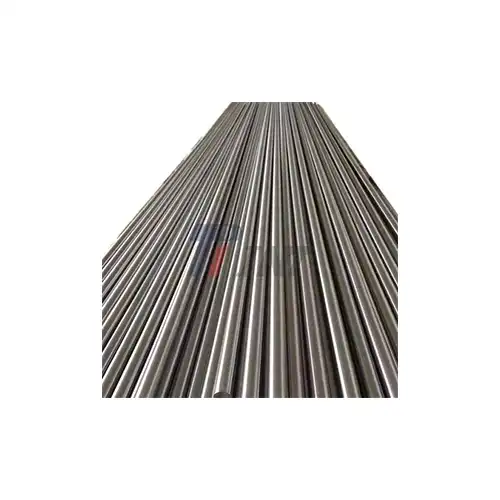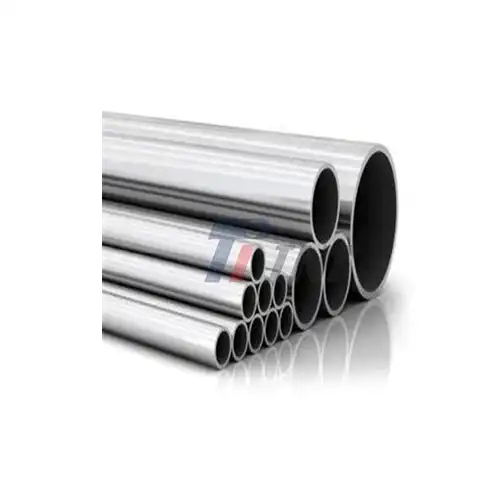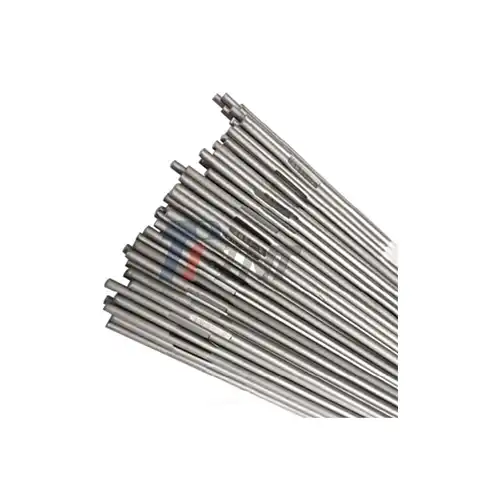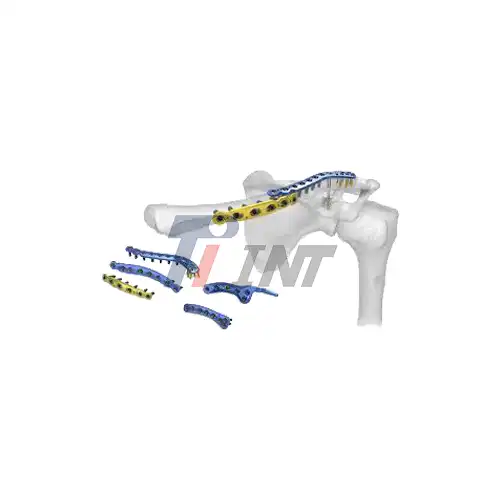

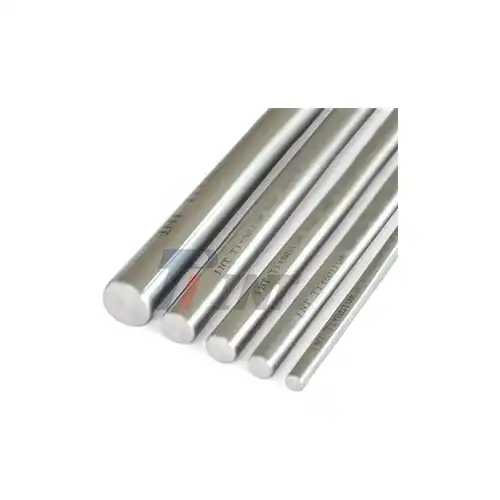
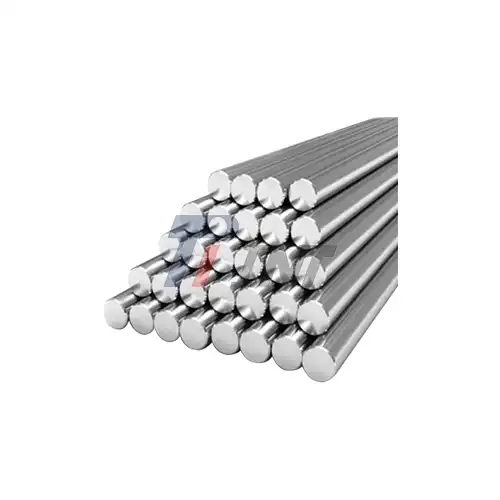
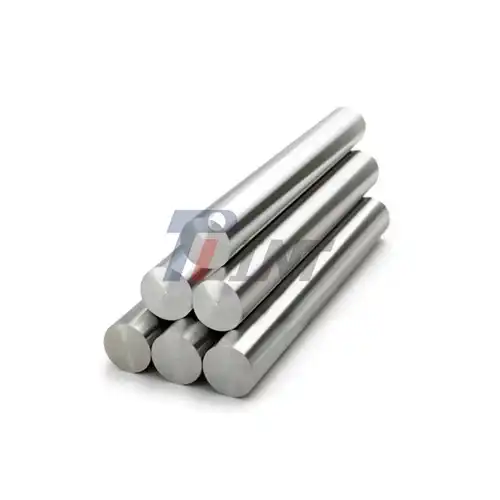
Differences in surface treatments available for medical titanium rods and their benefits


 2026-07-01 09:11:58
Choosing the right surface treatment for medical titanium rods can mean the difference between an implant that works well with bone and one that fails too soon. No matter how well a titanium rod medical product is made, surface change is a big part of getting it to work as well as it can. These methods improve osseointegration, make implants last longer, and make sure they meet strict regulatory standards. Procurement managers, R&D engineers, and supply chain professionals can make choices that balance performance, cost, and patient safety by knowing the unique benefits of each method.
|
|
|
Understanding Medical Titanium Rods and Their Surface Treatment Needs
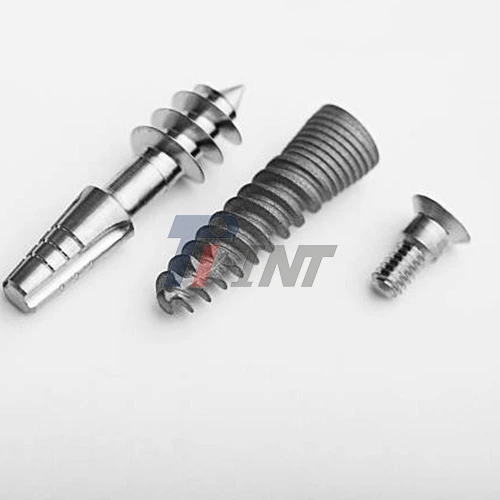
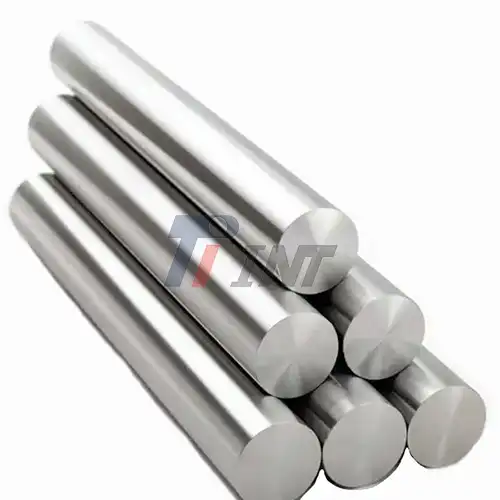
Medical-grade titanium rods are the building blocks of orthopedic implants, oral bridges, spine fixation systems, and surgery tools. It is well known that titanium is essential in medical uses because it is biocompatible, doesn't rust, and has a modulus of flexibility similar to that of human bone. But titanium surfaces that haven't been cleaned have problems when they come into close contact with living things.
Why Surface Treatment Matters in Medical Applications
There is a naturally occurring oxide layer about 2 to 6 nanometers thick on raw titanium that protects it from erosion. However, this inactive layer can't improve biological reaction or solve certain clinical problems by itself. Surface treatments change the shape, chemistry, and energy properties of the bone to help it integrate faster, lower the risk of infection, and make it more stable under repeated loads.
Core Challenges Addressed by Surface Modification
When medical device makers use untreated titanium, they face three main problems: the metal doesn't stay in place well enough during the critical healing phase; it also doesn't fight germs well enough; and its performance changes depending on the sterilization procedure used. Surface treatments directly target these painful areas by adding micro- and nanoscale features that help cells stick together, adding bioactive elements that speed up the integration of tissue, and making sure the material stays stable through repeated rounds of autoclaving or gamma irradiation.
Overview of Common Surface Treatments for Medical Titanium Rods
The medical device business uses a number of tried-and-true surface modification methods, and each one has its own benefits based on the application and performance needs. We've seen that matching the treatment method to the individual clinical situation has a big effect on how well implants work and how well patients do in the long run.
Anodizing: Enhanced Corrosion Protection and Visual Identification
A controlled electrochemical process called anodizing makes the natural oxide layer on titanium surfaces thicker, usually by 50 to 200 nanometers. This method makes a thick, even coating that protects against rust much better than the passive layer. During the process, titanium bars are submerged in an electrolytic solution while a direct current is applied. This moves oxygen ions to the top, where they form titanium dioxide. When the voltage level changes, the oxide thickness changes, which in turn changes the interference colors.
This makes it easier to see which parts of an implant are being worked on during surgery. Anodized surfaces are very stable in body fluids and stay that way even after being sterilized according to normal procedures. The harder surface, which usually reaches 200 to 400 HV, keeps parts that move, like hip joint stems, from wearing out.
Acid Etching and Chemical Pickling: Creating Micro-Roughness for Bone Integration
Strong acids like hydrofluoric acid, nitric acid, or sulfuric acid are used in controlled amounts in acid etching to remove only the material on the surface. This makes a micro-rough surface with features running from 0.5 to 5 micrometers, which makes it much easier for the implant and bone tissue around it to fit together mechanically.
The process gets rid of surface contaminants from production and creates a clean, reactive surface that helps cells and proteins stick together. We've seen clinical data that suggests surfaces that are fairly rough—usually achieved by acid etching—have better osseointegration than surfaces that are smooth. During the initial healing stage, bone-to-implant contact percentages rise by 15–30%. The method is still low-cost and can be scaled up for large-scale production, and the quality of each batch is still the same.
Plasma Spraying and Hydroxyapatite Coating: Bioactive Surface Enhancement
Plasma spraying is a high-tech way to apply coatings. Bioactive substances like hydroxyapatite (HA) are heated until they melt or become partially melted and then sprayed on the titanium base very quickly. The coating that is made, which is usually 50 to 200 micrometers thick, has biological action right away because it looks and feels like real bone. Because hydroxyapatite is chemically similar to bone material, it speeds up initial fixation and supports faster bone apposition.
This is especially helpful for people whose bones aren't very strong or who have metabolic conditions that make healing slower. The coating works well with living things and has been shown to speed up healing times by 20 to 40 percent compared to implants that aren't covered in some situations. But the method needs precise parameter control to make sure the coating sticks well and doesn't separate when mechanical stress is applied, especially for titanium rod medical applications.
Sandblasting and Grit Blasting: Mechanical Surface Modification
A rough, textured finish is made by sandblasting, which shoots gritty particles at high pressure against the titanium surface. These particles are usually aluminum oxide, titanium oxide, or silicon carbide. The resulting macro-roughness, with features ranging from 10 to 100 micrometers, keeps bone tissue in place mechanically and makes more surface area available for biological contact.
By changing the particle size, projection angle, and blasting time, this method gives you exact control over the surface topography. When it comes to preventing infections, sandblasted surfaces are better than smooth ones because bacteria don't stick to them as well. This method is often used with acid etching to create a two-step process called SLA (Sandblasted, Large-grit, Acid-etched), which gives the bone both large and small rough surfaces to help it integrate better.
Polishing: Smooth Surfaces for Specific Clinical Requirements
Mechanical or electrical cleaning smooths out the surface to a level below the micrometer range, making it shiny and smooth. Even though it seems strange given how important roughness is for bone fusion, polished surfaces are very important in some situations. Smooth surfaces keep moving parts from rubbing against each other, keep particles from building up in joint replacements, and make it easier to clean before surgery. Due to fewer places for bacteria to connect, polished titanium has lower rates of bacterial adhesion. This makes it better for transcutaneous parts or areas that need to be cleaned often. The process gets rid of surface flaws and layers of work-hardened metal from machining, which could make high-stress uses more resistant to wear.
Comparing Surface Treatments: Benefits and Trade-offs for Medical Use
To choose the right surface treatment, you need to carefully look at a number of performance factors and how important they are for the medical purpose. To help our customers make this choice, we look at proven clinical results, effects on mechanical properties, and regulatory compliance issues.
Biocompatibility and Osseointegration Performance
Clinical studies show that surfaces that are fairly rough, which can be made by sandblasting and acid etching together, have the highest bone-to-implant contact rates during the crucial 3–12 week healing window. Implantology journals have published research that shows that at 12 weeks, 60–75% of surfaces treated with SLA make touch with bone, while only 40–50% of cut surfaces do. Even faster initial integration is seen with hydroxyapatite-coated implants, which reach similar contact percentages two to three weeks earlier than untreated titanium.
This makes them especially useful for immediate-loading methods in dental uses. However, data that goes back more than five years shows that the performance of the different surface treatments is becoming more similar. This suggests that the original benefits of integration may fade over time as cellular remodeling takes place.
Corrosion Resistance and Sterilization Compatibility
When compared to passivated titanium, anodized surfaces are much more resistant to chloride-ion attack in bodily fluids, cutting the corrosion current density by about 80%. This extra safety is very important in places where there is inflammation or when metals that are not the same touch each other in implant systems that have been put together. Surface treatments must stay intact through multiple rounds of cleaning without breaking down.
Surfaces that have been coated or anodized can be autoclaved at 134°C and exposed to gamma radiation doses of up to 25 kGy without having their properties change significantly. Some organic coatings or polymer modifications, on the other hand, may break down in these situations, making them less useful in hospital settings. Standard sterilization procedures needed by hospitals and surgery centers help us make sure that all of the surface treatments we offer stay stable, including titanium rod medical treatments.
Mechanical Property Considerations and Fatigue Resistance
Surface modification methods can change how titanium rods behave mechanically, especially their wear strength when loaded and unloaded many times. Acid etching takes off about 5 to 20 micrometers of the surface, which could reveal flaws below the surface if they are in the base material. For this reason, we put a lot of effort into making sure the starting material is of high quality. We do this by vacuum arc remelting and ultrasound checking.
Plasma-sprayed coatings add leftover compressive forces that can be good, but the contact between the coating and the base can be a place where cracks start if the adhesion isn't good enough. If the treatments are done right, they shouldn't lower the fatigue strength below the performance of the base material. In fact, shot peening and some controlled blasting methods can add useful compressive forces that make fatigue life 10–20% longer. When procurement teams understand these trade-offs, they can choose methods that are right for the stress the implant will be under.
How to Choose the Right Surface Treatment for Your Medical Titanium Rods
When making decisions about what to buy for surface treatments, you have to weigh clinical needs, manufacturing skills, regulatory routes, and cost structures. We work together with companies that make medical devices to make sure that the treatments they choose are in line with their product development goals and the needs of their target market.
Matching Treatment to Application Requirements
A fairly rough surface, like that made by sandblasting and acid etching, is usually good for orthopedic implants that will be used to support weight, like hip stems or knee parts. These treatments help biological fixing stay strong while keeping the fatigue resistance needed for decades of mechanical riding. When dental implants are used in immediate-loading procedures, they often come with hydroxyapatite coatings or improved surface chemicals that help them stay stable during the important osseointegration time.
Surgical tools and temporary fixing devices may have smooth or slightly rough surfaces that don't stick to proteins and are easy to clean between uses. More and more spinal fusion bars and interbody devices use three-dimensional porous structures made with additive manufacturing. The sides of these structures are then treated to make them better, both on the outside and on the inside.
Supplier Qualification and Quality Management Systems
To find titanium rods with the right surface treatments, you need to make sure that the seller can do more than just provide the material. We keep our ISO 13485:2016 certification, which is specific to medical device quality management and shows that we have full control over the processes that affect the safety and performance of our products.
From the raw material ingot to the final surface treatment, our paperwork systems keep track of everything, such as heat treatment records, chemical makeup checks, mechanical property tests, and data on the surface's characteristics. This complete set of documents helps with regulatory applications, like FDA 510(k) premarket notices and EU MDR technical files. Suppliers should show proof that their surface treatments work by showing statistical process control data that shows consistency across production runs and a documented link between process factors and the surface traits that are produced.
Balancing Cost and Performance Optimization
The cost of surface treatment depends a lot on how complicated the process is, how fast it needs to be done, and how much quality checking is needed. Basic acid pickling is the least expensive choice; it doesn't add much to the price of the final rod but cleans the surface well and improves the texture a bit. Combining sandblasting and acid etching raises the cost of processing by about 15 to 25 percent, but the therapeutic effects are proven to be worth the extra money.
Plasma spraying and advanced coating processes are high-end choices that could double the cost of surface treatment compared to basic methods. However, they offer better performance in certain situations where faster healing or better bone touch gives a competitive edge. We help our clients do value engineering analyses that compare the prices of treatments with the expected clinical results, market positioning, and pricing strategies. This helps them find the best solutions that meet both their technical needs and their business goals.
Customization Capabilities and Development Support
As medical devices get better, they need more and more custom surface processes that are made to fit specific product shapes, material requirements, or clinical goals. We offer full customization services, such as optimizing treatment parameters, using hybrid multi-step methods, and changing only certain parts of the rod's surface, so that different areas get different treatments.
Our technical team helps with development at all stages of a product's lifecycle. They do things like figuring out if the idea is even possible at the beginning, making trial samples, characterizing the surface with scanning electron microscopy and profilometry, and helping with the design of biology tests. This joint method shortens the time it takes to create new implant designs and gets them on the market faster. We offer rods with sizes ranging from 3 mm to 100 mm, lengths that can be customized up to 6 meters, and materials that include commercially pure titanium, titanium rod medical alloys (Ti6Al4V ELI), and specialty alloys, based on the needs of the application.
Future Trends in Surface Treatments for Medical Titanium Rods
As new technologies come out from materials science study and practical needs change, the field of surface treatment keeps moving forward. By keeping up with these changes, procurement professionals can guess what people will need in the future and make sure their product lines are competitive.
Nanostructured and Antibacterial Surface Technologies
One of the most hopeful areas for progress is using nanotechnology to change the surface of titanium. Scientists have found ways to make nanostructured surface topographies with features smaller than 100 nanometers that improve the way cells respond more than micro-roughness alone can. You can make these nano-features by anodizing under certain conditions, cutting with chemicals in a controlled way, or applying nanoparticle layers directly to the surface. Clinical studies show that nanostructured surfaces may speed up the initial protein binding and cellular attachment.
This could shorten the time it takes for patients to heal and improve results for those who are having a hard time. At the same time, antibacterial surface changes help solve the problem of implant-associated infections, which happen in 1-2% of initial joint replacements and much higher rates in revision treatments. Some methods are adding antibacterial peptide coats, silver nanoparticles, copper ions, or zinc to the surface, and making bactericidal nanotopographies that break down bacterial cell walls literally. These technologies are moving from being tested in labs to being sold in stores. In fact, several of them have been approved by regulators in the past few years.
Sustainability and Environmental Considerations
As medical device companies are questioned about how sustainable their supply chains are, environmental responsibility is becoming a bigger factor in their buying choices. Chemical waste from traditional surface cleaning methods, especially those that use strong acids or heavy metals, needs to be thrown away carefully and the environment needs to be watched. We are putting money into closed-loop chemical recovery systems that make 60–80% less trash than traditional methods.
Cutting down on the amount of water used is another area of focus. For example, newer cleaning methods need a lot less fluid for rinsing and processing. The industry is also looking into other chemicals that can give surfaces the same qualities while using less dangerous materials. This would have a positive effect on the environment and lower the risks of exposure for processing workers. Material traceability goes beyond just keeping track of lots; it also includes recording environmental effects, figuring out carbon footprints, and certifying minerals that don't come from war zones. This gives full supply chain information that helps companies meet their sustainability reporting requirements.
Conclusion
The choice of surface treatment has a big effect on how well medical products made from titanium rods work in the clinic, how well they meet legal requirements, and how well they do in the market. Each method of change has its own benefits that meet the needs of a particular application. For example, hydroxyapatite coatings speed up the process of osseointegration, while anodizing increases corrosion resistance.
Knowing the trade-offs between biocompatibility, mechanical qualities, processing costs, and sterilization compatibility helps buyers make smart choices that improve patient results and make manufacturing more efficient. As nanotechnology and environmentally friendly processing methods help surface technologies keep getting better, it's becoming more important to keep close relationships with suppliers so that you can get the new ideas and custom options that set your goods apart in a market full of competitors.
FAQ
What surface treatment provides the fastest bone integration for titanium rod medical implants?
Hydroxyapatite plasma-sprayed coats usually help bones fuse together the fastest, with mending times 20–40% shorter than with untreated titanium. The calcium phosphate mix is chemically similar to natural bone material, which helps cells and living things recognize and connect to it right away. Combined sandblasted and acid-etched (SLA) surfaces, on the other hand, are a great compromise between quick integration and long-term mechanical stability, without the risks of covering delamination that come with thicker layers.
How do surface treatments affect the sterilization options for medical titanium products?
Titanium surfaces that have been anodized, acid-etched, or sanded stay stable when they are sterilized using common methods like ethylene oxide gas, steam autoclaving, and gamma irradiation. It is important to note that these medicines do not include substances that break down when they are sterilized. Some bioactive chemicals or organic surfaces may have limits on temperature or radiation that need to be checked out. We include proof that all of our treated products are compatible with sterilization. This documentation lists confirmed factors for each surface finish so that processing facilities can follow the right procedures.
Can surface treatments be customized for specific medical device applications?
Of course. We often make personalized surface treatment methods that are made to fit the needs of each individual product. This includes changing the roughness parameters for different bone densities, only treating certain parts of the rod, using multiple methods in a series of steps, and finding the best parameters for titanium alloys that aren't standard. During the development stages, our technical team works with device engineers to describe surfaces, find links between treatments and results from biological tests, and improve processes before they are scaled up to production levels.
Partner with an Experienced Medical Titanium Rod Supplier for Optimized Surface Solutions
Baoji INT Medical Titanium Co., Ltd. has been in the titanium business for more than 30 years and has been focusing in medical-grade products for 20 of those years. We know that choosing the right surface treatment is a big decision that will have a big effect on how well your product works in the lab and how well it does in the market. We can do everything, from making raw materials to changing the surface in complex ways. We have ISO 9001:2015, ISO 13485:2016, and CE standards to make sure quality at every step of the process.
Our product portfolio includes pure titanium, Ti6Al4V ELI, and special titanium alloy bars with sizes ranging from 3 mm to 100 mm and lengths that can be customized up to 6 meters. We can smooth the surface in a variety of ways, such as polished, sandblasted, acid-etched, anodized, or custom-treated surfaces made just for your purpose. Our titanium rod medical goods have tensile strengths of up to 860 MPa and yield strengths of up to 795 MPa in Grade 5 material. This means they give your implants the mechanical performance you need and the biocompatibility your patients deserve.
We offer full expert help throughout the whole process of developing your product, from choosing the materials to making sure the manufacturing process runs smoothly and creating the necessary regulatory paperwork. It is very important for legal compliance and clinical success that our quality control systems make sure that all of our products can be tracked and have the same surface properties across all of our production batches. If you are making orthopedic implants, dental devices, or surgery tools, please email our technical team at export@tiint.com to talk about how our surface treatment services can improve the performance of your product and shorten the time it takes to make it.
References
1. Geetha, M., Singh, A. K., Asokamani, R., & Gogia, A. K. (2009). Ti based biomaterials, the ultimate choice for orthopaedic implants – A review. Progress in Materials Science, 54(3), 397-425.
2. Le Guéhennec, L., Soueidan, A., Layrolle, P., & Amouriq, Y. (2007). Surface treatments of titanium dental implants for rapid osseointegration. Dental Materials, 23(7), 844-854.
3. Elias, C. N., Lima, J. H. C., Valiev, R., & Meyers, M. A. (2008). Biomedical applications of titanium and its alloys. Journal of the Minerals, Metals and Materials Society, 60(3), 46-49.
4. Wennerberg, A., & Albrektsson, T. (2009). Effects of titanium surface topography on bone integration: a systematic review. Clinical Oral Implants Research, 20(4), 172-184.
5. Liu, X., Chu, P. K., & Ding, C. (2004). Surface modification of titanium, titanium alloys, and related materials for biomedical applications. Materials Science and Engineering: R: Reports, 47(3-4), 49-121.
6. Lausmaa, J. (1996). Surface spectroscopic characterization of titanium implant materials. Journal of Electron Spectroscopy and Related Phenomena, 81(3), 343-361.
_1750664157440.webp)