
What surface finishes are available for GR9 titanium bars, 8mm diameter?


 2026-06-30 09:39:16
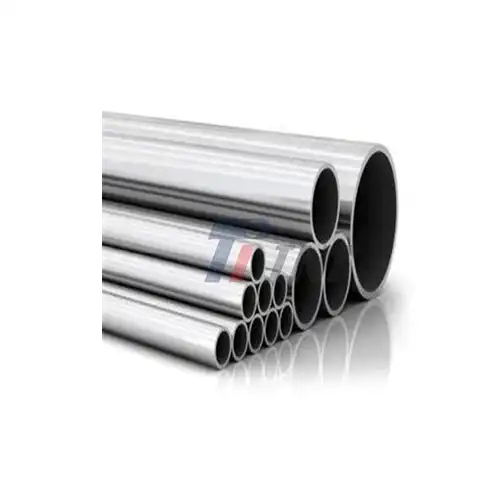
When looking for titanium materials to make medical devices, it's just as important to know about the different surface finishes as it is to choose the right metal makeup. For Gr9 Titanium Bar Dia 8mm, the surface finish has a direct effect on how well it resists rust, works with living things, can be machined, and performs overall. This titanium metal is made up of Ti-3Al-2.5V, and the surface can be polished, pickled, ground smoothly, or given a special finish. Each finish is used for a different purpose, such as making orthopedic implants with surfaces that are as smooth as glass or aircraft parts with tight circle standards. By choosing the right surface treatment, you can be sure that your titanium bars meet both technical requirements and legal requirements.
|
|
|
Understanding GR9 Titanium Bar Basics
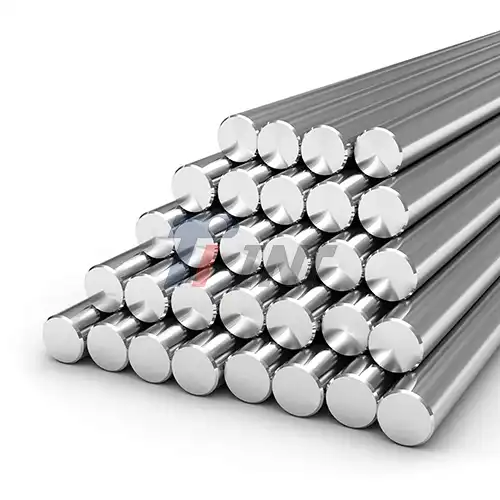
The Ti-3Al-2.5V alloy is a good choice for businesses that need a metal that is both strong and light. It also doesn't rust. This material has a very low density of 4.48g/cm³, making it stronger for its weight. It works better than regular stainless steels while weighing about 40% less. The alloy's chemical make-up—2.5 to 3.5% aluminum and 2.0 to 3.0% vanadium—makes a lattice that is both flexible and strong.
Material Properties That Influence Surface Treatment
Which surface finishes will work best for your application depend on how this metal is made mechanically. Because the material can be cold formed, it can be finished in a variety of ways without losing its structural integrity. While Grade 5 titanium usually needs to be forged hot, the Gr9 Titanium Bar Dia 8mm can be cold-worked, which gives manufacturers more control over the surface during production. When making fasteners, medical tools, or dental parts where precise measurements are important, this trait becomes very important.
Compliance and Quality Standards
It's not enough to just have the right materials to meet foreign standards like ASTM B348, ASTM F136, and ISO 5832-3. The surface quality must also be constant. These rules say what kinds of flaws can be on the surface, how close the diameters can be, and how the finish should look. We follow strict quality guidelines that are approved by ISO9001:2015, ISO13485:2016, and EU CE safety standards when we make our products. This makes sure that every bar meets the important requirements for traceability and paperwork that medical device makers need.
Types of Surface Finishes Available for GR9 Titanium Bars (8mm Diameter)
Before you can choose the right surface treatment, you need to know what finishes are available and how they affect performance. Everything is affected by the surface condition, from how well your CNC tools grip the material to how well the end implant fits into living flesh.
Mill Finish and As-Rolled Conditions
The base mill finish is the least expensive choice, and it works well enough for uses where looks and very smooth finishing are not very important. These finishes usually have a slightly rough look because of how they were made. Titanium's natural oxide layer formation means that the surface may have small tool marks or coloring from heat treatment, but the material's corrosion protection stays the same.
Centerless Ground Finish
Centerless grinding can get diameter tolerances of +0/-0.015mm (h8) or better, which is important for automatic bar feeder systems used in large-scale cutting jobs. This finish gets rid of any rough spots on the surface and makes the width of the bar the same all the way along its length. Purchasing managers who are looking for parts for CNC Swiss-type lathes or automatic production lines really like this finish because it stops the collet from chattering and makes sure that the tools always connect properly. The smooth, accurate surface cuts down on setup time and the number of parts that need to be rejected during turning operations.
Polished Surfaces for Medical Applications
Polished finishes can be anything from satin to mirror-like, based on the steps taken to clean them. Medical device makers who make surgery tools or dental implants often choose polished surfaces because they make it easier to sterilize and keep germs from sticking to them. The very smooth surface keeps tools from rubbing against flesh and gets rid of tiny cracks where germs could gather. Our polishing skills can get the surface sharpness below Ra 0.4μm, which meets the strict needs for internal devices.
Pickled and Acid-Etched Finishes
When you pickle titanium, you use acid solutions on the top to get rid of the oxide scale and show the metal underneath. This method gives the surface a matte, even look while slightly cutting it to make it easier for paint or coating to stick. As a step between anodizing or finishing, pickling is often used by manufacturers to get titanium bars ready for those processes. The process is also used to check the quality because it shows any flaws on the surface that might be hidden by scale.
Anodizing and Specialized Coatings
Anodizing titanium makes a controlled oxide layer that can change colors by interacting with light. This lets different tool sizes or implant types be identified by their colors. This electrochemical process makes the surface harder and more resistant to rust without adding a lot of weight or changing the standards for size. Specialized coats like diamond-like carbon (DLC) or titanium nitride (TiN) can be put on Gr9 Titanium Bar Dia 8mm when they need to be very resistant to wear or have low friction coefficients.
Custom Surface Treatments
Abrasive flow machining, bead blasting, and special grinding designs can all be used to meet the specific needs of OEMs. These finishes strike a mix between how they look and how well they work, making surfaces that are best for certain handling conditions or eye inspection needs. Our engineering team works with clients to create unique surface requirements that meet both technical and business needs.
How to Choose the Right Surface Finish for Your GR9 Titanium Bar?
When choosing a surface finish for your Gr9 Titanium Bar Dia 8mm, you have to think about a lot of things, like the application setting, the manufacturing method, the rules and regulations, and your budget. The decision has an impact on not only the current cutting tasks but also the performance of the product in the future and the safety of the patients.
Application Environment Analysis
Think about the situations that your end product will be used in. Surgical tools that are sterilized over and over again benefit from shiny finishes that don't change color and keep looking good after thousands of uses. For osseointegration to work, the surface of orthopedic implants may need to be a certain hardness to help the bone connect. When aerospace screws are exposed to saltwater, corrosion protection is more important than how they look.
Manufacturing Process Compatibility
The best starting finish is greatly affected by the methods you use for manufacturing further down the line. When making fasteners, centerless ground bars that feed consistently through automatic equipment work best for cold heading. It is better for complex CNC cutting to have uniform diameter limits, which keep the tools from deflecting and make the measurements more accurate. For welding, surfaces may need to be treated to make sure they fuse properly and keep contamination to a minimum.
Cost-Performance Trade-offs
Higher prices are charged for premium finishes, so knowing which features provide real value helps buying budgets work better. For dentistry tools that patients see, a mirror polish might be necessary, but not for internal orthopedic parts that won't be seen after insertion. Centerless grinding costs more, but it cuts down on scrap by a huge amount in high-volume production, so it often pays for itself by increasing return rates.
It becomes very important to work with qualified sellers who keep a lot of paperwork. Our mill test certificates (MTC) that meet EN 10204 3.1 standards check the heat numbers, chemical make-up, mechanical qualities, and conditions of the heat treatment. This traceability paperwork helps with your government filings and auditing, which lowers the risk of not following the rules.
Machining and Post-Processing Considerations for GR9 Titanium Bars
Quality of the surface finish has a direct effect on how well the tool works and how long it lasts. Knowing these connections helps production managers find the best cutting settings to cut costs while keeping the quality of the parts.
Machinability Factors
Centerless ground surfaces are more consistent than rough mill finishes when they engage cutting tools. This lowers the initial contact shaking that can lead to tool chatter or premature wear. Because the diameter stays the same, roughing passes are not needed for many turning processes. This means that you can go straight to finished cuts. This speed is especially useful when working with a Gr9 Titanium Bar Dia 8mm, since small tools are more likely to bend or break.
Welding Considerations
Compared to higher-strength titanium alloys, the Ti-3Al-2.5V makeup is very easy to weld. For most non-aerospace uses, matched filler wire can be used in TIG welding to put parts together without a post-weld heat treatment. The quality of the weld is greatly affected by how clean the surface is. For important parts, pickled or newly polished surfaces work best. Before welding, areas that are dirty or highly oxidized must be cleaned to stop porosity and make sure the fusion is done right.
Heat Treatment and Finish Interaction
Stress reduction or annealing processes done after machining can change the look and qualities of the surface. Rework can be avoided by planning the order of heat treatment and finishing processes together. Parts that need to be heated again after being machined should start with easier finishes, while parts that don't need to be heated again can use premium finishes without worrying about them wearing off. When planning for buying, knowing these steps in order helps avoid mistakes that cost a lot of money and cause projects to be delayed.
Procurement Insights: Sourcing GR9 Titanium Bars with Optimal Surface Finishes
A good buying process for Gr9 Titanium Bar Dia 8mm strikes a mix between technical needs and practical business issues. Smart sellers know how to deal with minimum order amounts, wait times, and licensing needs to get the materials they need on time without sacrificing quality.
Supplier Qualification Criteria
Verified makers who have ISO13485:2016 certification show that they are dedicated to medical equipment quality control systems. This license shows that the production method has the right rules for cleanliness, tracking, and keeping records. To find internal flaws that could lead to a catastrophic failure, suppliers should provide AMS 2631-compliant chemical makeup reports, mechanical testing data, and ultrasound inspection results.
Our Baoji facility was built in 2003 by people with more than 30 years of experience in the titanium business. It has full quality control tools that cover every step of the production process. Inspection of raw materials upon arrival, monitoring during production, and final verification tests all make sure that all output lots are the same. This methodical approach has helped us build long-term relationships with companies that make medical devices. These companies depend on the quality of our materials to meet legal requirements and make sure their products work well.
Pricing Structure and Volume Considerations
The complexity of the surface finish affects the unit price. For example, centerless grinding and finishing cost more to process than mill finish bars. But the higher cost of the material is often more than made up for by better cutting efficiency and lower scrap rates. Instead of just looking at the price of the raw materials, buyers should figure out the total cost of ownership. Price breaks can be unlocked by making promises to buy a lot of something, especially for custom finish requirements that need dedicated production runs.
Lead Time Planning
Standard finishes, like centerless ground or pickled, usually have faster wait times because the production process is already set up. Custom surface treatments need more steps in the working process and quality checks, which adds to the time it takes to deliver. When you plan your purchases around your production schedule and take into account wait times that rely on the finish, you can avoid expensive expediting fees and production delays. During the quote process, our team gives you clear lead time figures, which help you plan your inventory levels well.
Conclusion
The choice of surface finish for Gr9 Titanium Bar Dia 8mm is a smart move that affects how efficiently they are made, how well they work, and how well they meet regulatory requirements. The variety of treatments—from cheap mill finishes to precise centerless grinding and specialized polishes—allows procurement professionals to perfectly match the material's specs to the needs of the application. By knowing how each finish affects machinability, rust resistance, and biocompatibility, you can make smart choices that improve both professional performance and business value. When you work with experienced makers who have strict quality systems and full certifications, you can be sure that your titanium bars will meet the high standards for medical device production and help you reach your goals for supply chain reliability.
FAQ
What is the difference between polished and anodized finishes?
Polished finishes automatically smooth the surface using a series of grinding steps. This makes the surface look shiny while getting rid of small flaws. Electrochemical treatment is used in anodizing to create a controlled metal layer that can change colors by interfering with light. Polished surfaces look better and are easier to clean, while anodized finishes make the surface harder and more resistant to wear. For best performance, medical tools often do both at the same time, cleaning first and then anodizing.
How does surface finish affect corrosion resistance?
Titanium naturally makes an oxide layer that protects it, but the finish quality affects how evenly this layer forms. Surfaces that are rough and have cracks can trap contaminants and cause localized rust, but surfaces that are smooth and cleaned reduce these risks. Finishes that are pickled or passivated help even out the formation of oxides, which makes things less likely to rust in chloride-rich settings over time.
Can I request custom surface specifications?
Of course. Our engineering team works with clients to create unique finishes that meet rigorous performance standards, easy handling, or aesthetic needs. Tolerances, roughness values, appearance standards, and testing methods need to be talked over in depth when custom specs are being made. Giving thorough models or sample parts speeds up the development process and makes sure you're happy with the end result.
Partner with a Trusted Gr9 Titanium Bar Dia 8mm Supplier
Medical device makers trust Baoji INT Medical Titanium Co., Ltd.'s full range of titanium products, which are backed by ISO9001:2015, ISO13485:2016, and CE approvals. Our Gr9 Titanium Bar Dia 8mm are made of Ti-3Al-2.5V and can have a polished, pickled, centerless ground, or fully customizable surface finish that fits your exact needs. We can help with your R&D projects and production needs with technical advice, sample testing, and a variety of shipping choices.
We have more than 20 years of experience in this field and all the paperwork you need to track your products. Email our team at export@tiint.com to talk about your surface finish needs, get material approvals, or get full quotes. Whether you need a small amount for a prototype or a lot for production, our inventory and special handling make sure that you get what you need on time, which keeps your factory operations running smoothly.
References
1. Boyer, R., Welsch, G., & Collings, E. W. (1994). Materials Properties Handbook: Titanium Alloys. ASM International.
2. Donachie, M. J. (2000). Titanium: A Technical Guide (2nd ed.). ASM International.
3. American Society for Testing and Materials. (2020). ASTM B348-20: Standard Specification for Titanium and Titanium Alloy Bars and Billets. ASTM International.
4. American Society for Testing and Materials. (2019). ASTM F136-13: Standard Specification for Wrought Titanium-6Aluminum-4Vanadium ELI Alloy for Surgical Implant Applications. ASTM International.
5. International Organization for Standardization. (2016). ISO 5832-3:2016 Implants for Surgery — Metallic Materials — Part 3: Wrought Titanium 6-Aluminum 4-Vanadium Alloy. ISO Standards.
6. Lutjering, G., & Williams, J. C. (2007). Titanium (2nd ed.). Springer-Verlag Berlin Heidelberg.
_1753429871786.webp)
_1750209732185.webp)
_1749191401740.webp)