
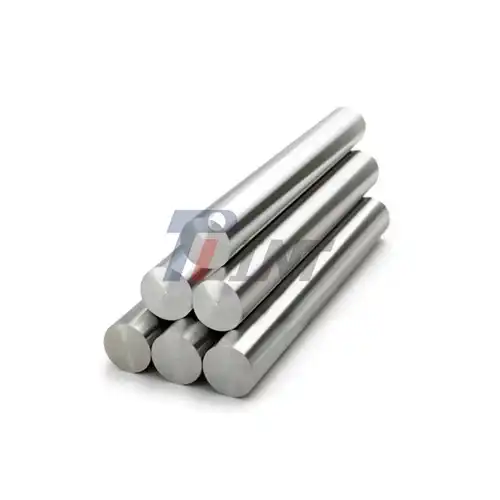
What are the environmental considerations when sourcing Ti6Al4V titanium bar 8mm?


 2026-07-01 09:12:03
When people buy Ti6Al4V Titanium Bar 8mm to make medical products, they think about outside factors in more than one way. Procurement managers have to think about how to get the raw titanium rock, make the product, move it, use it, and then reuse it. Each of these steps poses its own environmental issues. How much energy is used in the alloying process? How much carbon is released during production and shipping? How much waste is made during cutting? How easy is it to recover the material when it's no longer useful? As you look for a source for Grade 5 titanium metal, make sure you check their environmental management certifications and see how dedicated they are to reducing their effect on the environment. You should also see how well they follow new environmental laws.
|
|
|
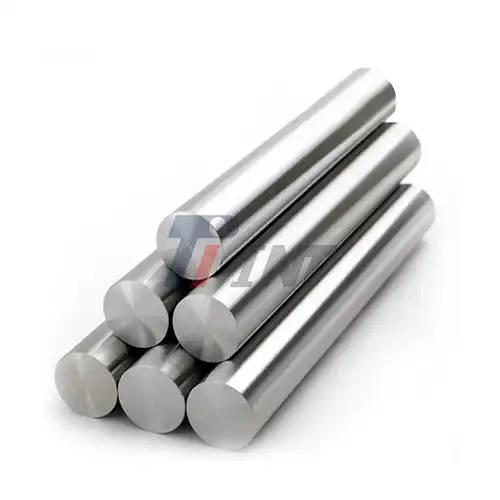
Understanding Environmental Impact of Ti6Al4V Titanium Bar Production
Everyone in the supply chain, from the rock titanium to the finished Grade 5 titanium alloy bar, needs to be aware of the big effects that go on in the world each step of the way. That information helps you make better decisions when you are looking at different places to get hip devices, surgery tools, or dental tools.
Mining and Raw Material Extraction
To make titanium, you have to dig up ores that contain titanium, primarily ilmenite and rutile. The earth is being hurt a lot by this. When you mine in an open pit, you take up a lot of land and make waste called "tailings" that needs to be carefully handled. To sort titanium dioxide from raw rock, the processing process uses a lot of water and makes waste streams that still have chemicals in them. These things can hurt the atmosphere and the health of the groundwater in the area if they are not done correctly. Find out how open a source is about where their raw materials come from. This will help you understand how their methods affect the environment further up the supply chain.
Energy-Intensive Alloying and Processing
TiO2 is turned into solid titanium by the Kroll process. This is one of the industrial methods that uses the most energy to work with metal. This batch method takes a lot of power and gets very hot (above 1000°C). Aluminum (6% of the alloy) and vanadium (4% of the alloy) must be added to make Ti6Al4V. A lot of power is needed for vacuum arc remelting (VAR) ovens to do this. In order to get an 8mm circle, the metal needs to be hot worked, cooled, and then precision centerless ground. Every step takes more power than the last one. Suppliers who use energy recovery systems or have access to green energy sources show that they care more about the setting.
Manufacturing Waste and Emissions
When you make small titanium bars, you end up with a lot of waste, like grinding swarf, cutting chips, acidic cleaning solutions, and process gases that are left over. Factory modernization projects that use closed-loop cooling systems and properly sort their trash lower the amount of pollution they cause and speed up the process of recovering materials. When a surface is cleaned, sanded, or created, bits are made that need to be picked up and put away in the right way. Our company, Baoji INT Medical Titanium Co., Ltd., has spent money on cutting edge garbage treatment and filter systems that follow the rules of ISO 14001 environmental management. At the same time, we can make sure that our production methods are as eco-friendly as possible while still meeting the high quality standards needed for medical uses.
Key Environmental Certifications and Standards for Ti6Al4V Titanium Bars
Professionals in purchasing can find sellers who are dedicated to eco-friendly methods by checking their environmental credentials with reputable badges. We can use these rules to find out how eco-friendly the whole supply chain is.
ASTM and ISO Material Standards
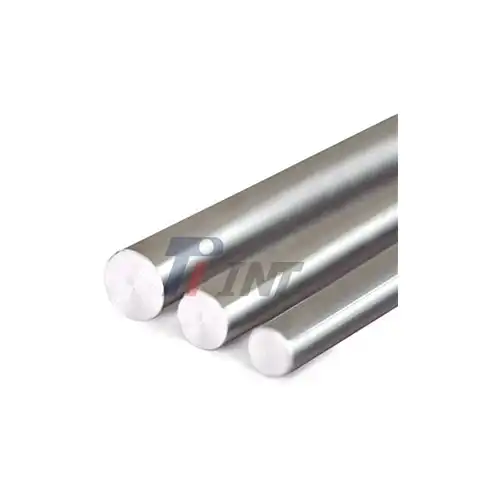
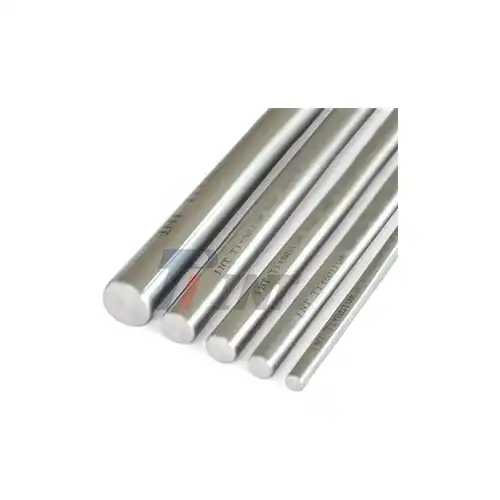
Titanium alloys used in medicine must meet the chemical make-up and mechanical properties requirements of ASTM B348 and ISO 5832-3. These rules make sure that all of the products are the same and do their job well. Among other things, these rules say that the material must have a tensile strength of at least 895 MPa and a yield strength of at least 825 MPa. But in the papers they use to back up their claims, they talk about environmental compliance standards more and more. Suppliers who strictly adhere to these standards usually have more control over their business, which includes taking care of the environment. Both ASTM B348 and ISO 5832-3 standards are fully met by our Ti6Al4V Titanium Bar 8mm. You can always find the products this way, and you can be sure that each batch is good.
Environmental Management System Certifications
As long as a service provider is ISO 14001 certified, they follow organized environmental management practices that keep things in good shape and always look for ways to make things better. For this to be approved, there must be regular checks, written down environmental goals, and proof that steps are being taken to lessen the damage to the environment. It is best to buy titanium bar stock from sources that are ISO 14001-certified if you want to use it to make medical implants or surgical tools. The pollution danger in the supply line goes down because of this. If a supplier has both ISO 13485 (medical device quality management) and ISO 14001, it means they care about the environment and the quality of their products. This is good for reaching your goals for sustainable buying.
Supplier Environmental Audits
In addition to licenses, checking providers' environmental records on a daily basis can show you things that papers alone can't. These reviews look at how trash is thrown away, what is done to save water and energy, and how well local governments follow environmental rules. The best titanium manufacturers make sure their environmental reports are easy to read, and they welcome customer checks as a chance to show off their efforts to be more eco-friendly. R&D engineers and production managers should ask for environmental performance data during the buyer approval process. For example, they should ask how much energy is used per kilogram of final product, how much is returned, and what the goals are for lowering emissions. So, they'll be able to compare potential partners in a useful way.
Comparing Environmental Footprint: Ti6Al4V vs Alternative Materials
Picking the right materials has effects on the world that last longer than the money spent on them. When buying teams compare different lifetime effects, they can make choices that meet both performance needs and environmental goals.
Ti6Al4V Versus Pure Titanium
The mechanical properties of Grade 5 titanium mixture are better than those of most pure titanium grades. It is stronger where the cross-sections are smaller. This new material has a density of only 4.43 g/cm³, which means it is stronger for its weight. This means that medical gadgets and surgery tools can be lighter, which could save resources and air pollution from shipping. However, alloying makes it more difficult to work with and needs more energy than just making titanium. The trade-off is worth it when Ti6Al4V Titanium Bar 8mm's better resistance to wear and high temperature performance means that parts don't need to be made too big or changed too often, which is better for the environment over the product's lifetime.
Ti6Al4V Versus Stainless Steel Alternatives
Surgical instruments and other medical items have usually been made of stainless steel because it is less expensive and there is a long history of making it. Iron bars, on the other hand, rust very easily, even without coatings. This means they last a lot longer in normal circumstances. Because Ti6Al4V doesn't have a high elastic modulus (about 200 GPa vs. 113.8 GPa for stainless steel), orthopedic implants are more biomechanically sound and don't slow bone healing as much. Titanium production typically uses more energy at the start than stainless steel production, but because the products last longer and are better biocompatible, they don't need to be replaced as often. This means that over decades of patient use, they have less of an effect on the environment.
Recycling Considerations Across Materials
Titanium metals are still valuable even after being reused a lot of times. In fact, scrap that is good for space parts costs a lot more than other junk. Cutting chips and parts that don't work can be burned down again and made into new bar stock. But because they have aluminum and vanadium in them, they need to be kept separate from lines of pure titanium so that the pure titanium doesn't get messed up. More than 95% of clean titanium trash can be recycled today. This is better for the environment than making titanium from scratch. If you want to know more about how different materials affect the world, than just how they are made, look at how easy they are to recycle when they are no longer useful.
Sustainable Procurement Strategies for Ti6Al4V Titanium Bar 8mm
When you buy things carefully, you can do more good things for the earth, keep the supply chain safe, and cut costs. With these tips, buying managers can include sustainability without changing what the business needs.
Supplier Selection Criteria
Building ties with eco-friendly service providers adds value that lasts beyond individual deals. Environmental policies that are written down, third-party certifications like ISO 14001, investments in production equipment that uses less energy, and clear sharing of environmental data should all be important parts of the review process. When suppliers show changes from one year to the next in how much trash they collect, how much energy they use, and how much pollution they release, that's when they really mean what they say. We at Baoji INT Medical Titanium Co., Ltd. have been in the titanium business for 30 years and know that making good products and being good to the environment go hand in hand. This is because exact production cuts down on waste and improved process control lowers the amount of energy needed to make one item. The Ti6Al4V Titanium Bar 8mm we make are very strict and meet ISO9001:2015, ISO13485:2016, and EU CE standards. We also think about the world when we're making things. Customers can choose from different lengths, which cuts down on waste, and there are no extra steps in the production process when the surface is cleaned or scraped.
Optimizing Order Quantities and Logistics
Putting orders together into bigger packages that don't happen as often can help the environment and you might even get a discount for your efforts. When you work with providers that keep regional distribution centers or key stocking spots close, you can cut down on delivery times and get just-in-time delivery without having to use air freight. The 8mm width standard is often used to make tooth implants and prosthetic fixing bars. It works well with normal packing that makes the most of containers, which lowers the effect of shipping per unit as a whole. To keep inventory levels in check, general buy deals with planned releases are used. This balances the costs of using less transports, which is good for both the business and the environment.
Long-Term Partnership Development
When you work with your suppliers on a strategic level instead of just getting things from them, you can change the world in ways that are good for everyone. Long-term relationships with providers let them make changes to the way they do things, set up special stocking programs, and come up with new material specs that save them money in the long run. When providers share their production plans, they can figure out the batch sizes and dates that use the least amount of energy and move the fewest materials. Partnering for a long time builds trust, which makes it easier to talk about problems and opportunities in the setting. When people talk to each other honestly, they can grow in ways that aren't possible with just work ties. For more than ten years, we've worked with companies that make medical devices. We've seen that customers get better quality, service, and environmental care when they see their sellers as partners instead of providers.
Best Practices in Usage and End-of-Life Management of Ti6Al4V Bars
There's more to environmental duty than just buying things. The way things are used during production and thrown away when a product is no longer useful is also part of this. These steps finish the circle of living a long time and use resources in the best way possible.
Minimizing Machining Waste
Less material needs to be taken away from bar stock to make end parts when precision production methods are used. With precision casting and other near-net-shape techniques, models are made that are more like the end form. This means that during finish cutting, there are a lot fewer chips and turns. When you improve CNC code, you get rid of tool passes that aren't needed but still meet the standards for measuring and finishing accurately. If you ask for it, our Ti6Al4V Titanium Bar 8mm comes with tight circle specs. This means that customers don't have to keep as much stock on hand and don't have to throw away as much. Parts don't have to be thrown away because their properties changed when statistical process control is used to make sure that the properties of the material are always the same. There is less damage to the land and lower costs for supplies when these things are done.
Heat Treatment Optimization
A careful control of heating and stress release methods is the best way to get the best mechanical properties with the least amount of energy. Modern vacuum furnaces use less energy than older gas heaters because they are safer and have better temperature control systems. It is more helpful and takes less time to use the burner when parts that work well together are put together in batches. The mechanical properties stay the same because we precisely control the heat methods used in our production processes. The tensile strength is at least 895 MPa, the yield strength is at least 825 MPa, and the stretch is at least 10%. All of this is done with very little energy. If you know exactly what qualities you need for the job, you can make your own heat treatment methods that don't waste energy or process things too much.
Establishing Recycling Partnerships
Putting in scrap sorting systems at the point of production makes sure that the lines of materials are clean and can be recovered for more money. It's harder to recover Ti6Al4V chips when they are mixed with other metals. Keeping them separate stops cross-contamination. Getting Grade 5 titanium recycled by people who know about metal science and how to do it right is the best way to get the most money back and make sure the material is used again. Many medical device companies that are ahead of the curve have closed-loop systems in place so that used metal from tools can be recycled by companies that make bars. In this way, the material moves in a real circle. We can put clients in touch with approved recyclers because our company makes titanium bars and knows a lot about the business. This makes it easy to handle the end of life in a reasonable way and helps get the remaining actual value.
Conclusion
It is important to think about the earth when looking for Ti6Al4V Titanium Bar 8mm, from getting the rock to making it to using it and finally recycling it. When buying managers try to find a mix between long-term goals and performance needs, they should look at environmental standards, ways to save energy, trash management systems, and how dedicated the providers are to always getting better. Grade 5 titanium metal is better for the environment because it is stronger for its weight, doesn't rust, and doesn't break down easily. Other than that, it also lasts longer and uses less stuff. These benefits can be increased by building long-term relationships, carefully choosing sources, and long-term buying strategies. This will keep the supply chain stable and low-cost, which is important for the success of medical device manufacturing.
FAQ
Q1: What makes Ti6Al4V more environmentally sustainable than other alloys?
A: Our Ti6Al4V Titanium Bar 8mm is eco-friendly because it is strong and doesn't rust. This means that things don't need to be changed as often because they last longer. Because the material is biocompatible, some choices don't need harmful coatings. This makes it easier to get rid of when it's no longer needed. It can be used to make light forms that use less material and pollute less during shipping because it has a high strength-to-weight ratio. Metal uses a lot of energy to make, but it is better for the earth over its lifetime than materials that need to be changed often or make harmful waste when they are thrown away.
Q2: How can I verify a supplier's environmental credentials?
A: Ask for copies of the ISO 14001 certificate and any recent audit reports that show how well the method for managing the environment is working. Find out exactly how the trash is taken care of, where the power comes from, and how much is recycled. Check the location or have someone else do it to make sure the information on the paperwork matches what happened. Read about how well the earth was treated, including how much energy was used per kilogram of goods and how things got better each year. See if the information about the world is clear and if people are ready to talk about issues in a normal way. Suppliers who really care about the environment will be happy to be questioned and will provide strong proof to back up their promises.
Q3: Does choosing recycled titanium compromise material quality?
A: If you treat restored Ti6Al4V the right way, it will keep the same chemical and mechanical properties as the original material. Vacuum arc remelting technology of today gets rid of flaws and makes sure the makeup is equal, meeting the standards of ASTM B348 and ISO 5832-3. Providers you can trust check each batch to make sure it meets the requirements for makeup, strength, and flexibility, no matter what the source material is. The history and treatment of an item can be shown on traceability records. Recovered content will work just as well as new content as long as you choose providers with strict quality control systems. It will also be better for the environment.
Partner with Baoji INT Medical Titanium Co., Ltd. for Sustainable Ti6Al4V Titanium Bar 8mm Supply
Choose the right Ti6Al4V Titanium Bar 8mm source to improve not only the product's quality and speed of delivery, but also the supply chain's effects on the environment. Baoji INT Medical Titanium Co., Ltd. has grown to become a top company in making medical titanium products since it was founded in 2003. Today's environmental care is mixed with more than 30 years of knowledge in the area to do this. We are dedicated to quality management and following the rules, as shown by our many certificates, such as ISO9001:2015, ISO13485:2016, and EU CE. This will help you reach your sustainability goals. We can cut to your length and finish the surface in a way that saves you money in the long run.
The mechanical properties are always the same because of our precise production. This way, parts that don't work because of changes in the material don't get thrown away. You can get help from our expert team to pick the right material, process it in the best way, and keep good quality records whether you need it for hip implants, surgery tools, or dental uses. Get in touch with our team right away at export@tiint.com to talk about how our reliable supply lines and eco-friendly ways of making things can help you meet your needs for medical products production while also helping your company reach its sustainability goals.
References
1. Boyer, R., Welsch, G., & Collings, E.W. (2018). Materials Properties Handbook: Titanium Alloys. ASM International, Materials Park, OH.
2. Froes, F.H. (Ed.). (2015). Titanium: Physical Metallurgy, Processing, and Applications. ASM International, Materials Park, OH.
3. International Organization for Standardization. (2016). ISO 14001:2015 Environmental Management Systems – Requirements with Guidance for Use. Geneva, Switzerland.
4. Lütjering, G. & Williams, J.C. (2007). Titanium (2nd Edition). Springer-Verlag, Berlin Heidelberg.
5. Norgate, T.E., Jahanshahi, S., & Rankin, W.J. (2004). "Assessing the Environmental Impact of Metal Production Processes." Journal of Cleaner Production, 12(8-10), 1-14.
6. Titanium Metal Supply & Manufacturing Association. (2020). Sustainability in Titanium Production: Industry Best Practices and Environmental Guidelines. Princeton, NJ.
_1755062186746.jpg)
_1751958555199.webp)
_1750664157440.webp)
_1750210148763.webp)