


 2026-01-07 09:13:47

Understanding Cervical Plate Surgery and Adjacent-Level Issues
The Role of Cervical Spine Surgery Titanium Plates
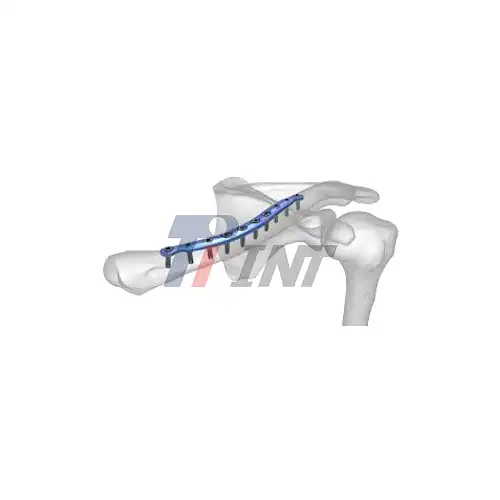
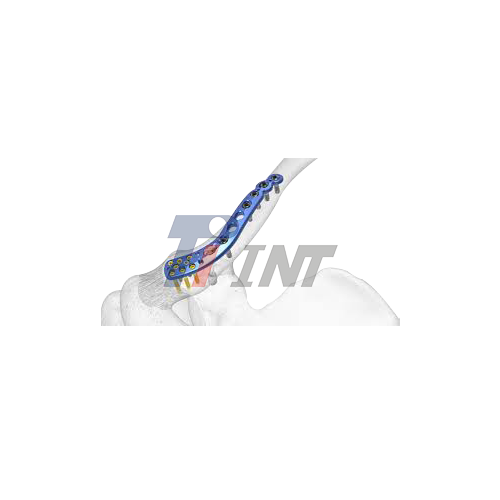
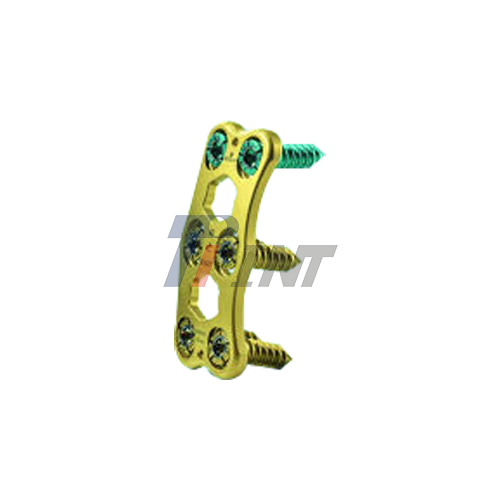
Cervical spine surgery titanium plates are essential components in many spinal fusion procedures. These plates, crafted from high-quality titanium alloys such as Ti6Al4V ELI, offer unparalleled biocompatibility and strength. They serve as a stabilizing force, holding vertebrae in place while fusion occurs. The cervical spine surgery titanium plate's design allows for optimal load distribution, minimizing stress on individual vertebrae and promoting faster healing.
Adjacent-Level Issues: A Common Concern
Adjacent-level issues refer to degenerative changes that occur in the spinal segments above or below a fused area. These problems can manifest as herniated discs, spinal stenosis, or facet joint arthritis. The concern stems from the altered biomechanics following spinal fusion, which may increase stress on adjacent levels. Understanding how cervical spine surgery titanium plates influence these issues is crucial for both surgeons and patients.
Biomechanical Considerations in Cervical Plate Surgery
The cervical spine surgery titanium plate's design and placement significantly impact the spine's biomechanics. Factors such as plate length, screw placement, and the number of levels fused all play a role in how stress is distributed along the spine. Advanced cervical spine surgery titanium plate designs aim to mimic natural spinal motion as closely as possible, potentially reducing the risk of adjacent-level degeneration.
The Impact of Cervical Plate Surgery on Adjacent-Level Issues
Evidence from Clinical Studies
Numerous studies have examined the relationship between cervical plate surgery and adjacent-level issues. A meta-analysis published in the Journal of Neurosurgery: Spine found that while adjacent-level degeneration is common following cervical fusion, not all cases lead to clinical symptoms. The study suggested that factors such as pre-existing degenerative changes and patient age may be more significant predictors of adjacent-level problems than the presence of a cervical spine surgery titanium plate itself.
Comparing Static vs. Dynamic Cervical Spine Surgery Titanium Plates
Recent advancements in cervical spine surgery titanium plate technology have led to the development of dynamic plates. These plates allow for some degree of motion, potentially reducing stress on adjacent levels. A comparative study in the European Spine Journal found that dynamic plates showed a slight advantage over static plates in reducing adjacent-level ossification. However, long-term follow-up studies are needed to confirm these findings definitively.
The Role of Proper Surgical Technique
The skill and experience of the surgeon play a crucial role in minimizing adjacent-level issues. Proper placement of the cervical spine surgery titanium plate, accurate alignment of the spine, and appropriate selection of fusion levels can all contribute to better long-term outcomes. As a leading cervical spine surgery titanium plate supplier, we emphasize the importance of surgeon training and support to ensure optimal use of our products.
Strategies to Minimize Adjacent-Level Issues in Cervical Plate Surgery
Advancements in Cervical Spine Surgery Titanium Plate Design
Continuous innovation in cervical spine surgery titanium plate design aims to address adjacent-level concerns. Low-profile plates, which reduce the risk of soft tissue irritation, and variable-angle screw systems, allowing for more precise placement, are examples of how technology is evolving to improve patient outcomes. Our company invests heavily in research and development to stay at the forefront of these advancements.
The Importance of Patient Selection and Preoperative Planning
Careful patient selection is crucial in minimizing the risk of adjacent-level issues. Factors such as age, overall spinal health, and the extent of degenerative changes should all be considered when deciding on cervical plate surgery. Preoperative planning, including detailed imaging studies and biomechanical assessments, can help surgeons choose the most appropriate cervical spine surgery titanium plate and surgical approach for each patient.
Post-operative Care and Long-term Follow-up
The care provided after cervical plate surgery is vital in preventing adjacent-level issues. This includes appropriate physical therapy, lifestyle modifications, and regular follow-up appointments. Long-term monitoring allows for early detection and intervention if adjacent-level problems begin to develop. As a responsible cervical spine surgery titanium plate supplier, we advocate for comprehensive post-operative care protocols to maximize the benefits of our products.
Conclusion
While cervical plate surgery has proven to be an effective treatment for many spinal conditions, the question of whether it reduces or exacerbates adjacent-level issues remains complex. The evidence suggests that while cervical spine surgery titanium plates do not necessarily prevent adjacent-level degeneration, proper surgical technique, advanced plate design, and appropriate patient selection can minimize these risks.
As technology continues to advance, we can expect further improvements in cervical spine surgery titanium plate design and surgical techniques. These advancements, combined with a better understanding of spinal biomechanics, hold promise for reducing adjacent-level issues and improving long-term outcomes for patients undergoing cervical plate surgery.
For medical professionals seeking high-quality cervical spine surgery titanium plates or for more information on our products and their role in minimizing adjacent-level issues, please contact us at export@tiint.com. Our team of experts is dedicated to providing cutting-edge solutions that prioritize patient safety and surgical success.
FAQ
How long do cervical spine surgery titanium plates typically last?
High-quality cervical spine surgery titanium plates are designed for long-term use and can last for decades. However, individual factors such as the patient's health, activity level, and the specific surgical technique used can influence longevity. Regular follow-ups with your surgeon are essential to monitor the plate's condition over time.
Can cervical spine surgery titanium plates be removed if necessary?
While cervical spine surgery titanium plates are typically intended to remain in place permanently, they can be removed if medically necessary. This decision is made on a case-by-case basis, considering factors such as infection, implant loosening, or persistent pain. The removal procedure is complex and should only be performed by experienced spine surgeons.
References
1. Hilibrand AS, Robbins M. Adjacent segment degeneration and adjacent segment disease: the consequences of spinal fusion? Spine J. 2004;4(6 Suppl):190S-194S.
2. Park JB, Cho YS, Riew KD. Development of adjacent-level ossification in patients with an anterior cervical plate. J Bone Joint Surg Am. 2005;87(3):558-563.
3. Nunley PD, Jawahar A, Kerr EJ 3rd, et al. Comparison of adjacent segment disease rates after anterior cervical discectomy and fusion using a traditional plate or a low-dose dynamic plate. Global Spine J. 2014;4(3):181-186.
4. Chung JY, Kim SK, Jung ST, Lee KB. Clinical adjacent-segment pathology after anterior cervical discectomy and fusion: results after a minimum of 10-year follow-up. Spine J. 2014;14(10):2290-2298.
5. Kepler CK, Hilibrand AS. Management of adjacent segment disease after cervical spinal fusion. Orthop Clin North Am. 2012;43(1):53-62.
_1753859685128.webp)
_1753425743099.webp)