
Durability of Titanium Dental Implants: What You Need to Know


 2026-07-01 09:12:07
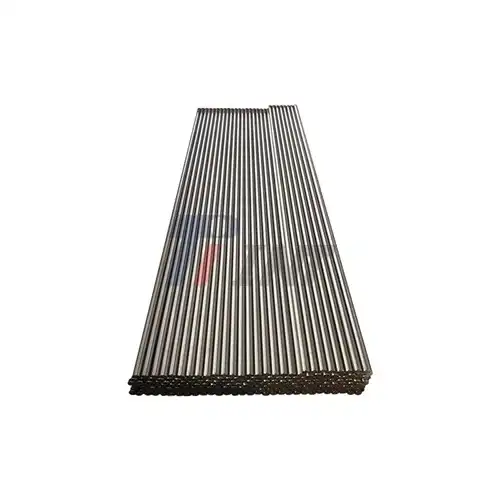
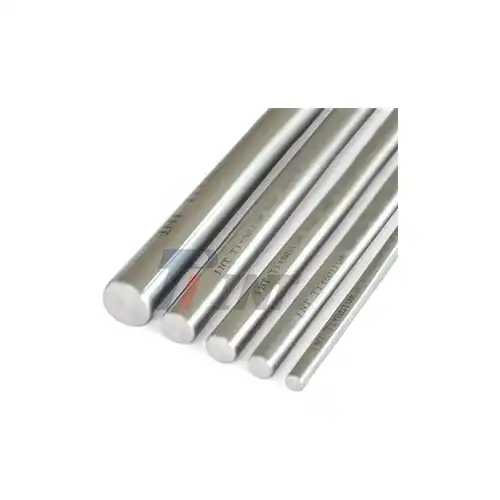
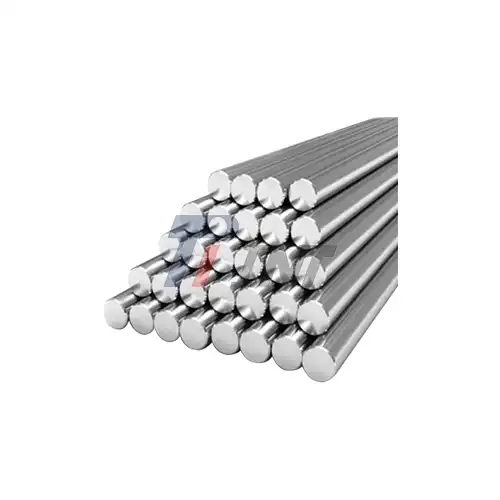
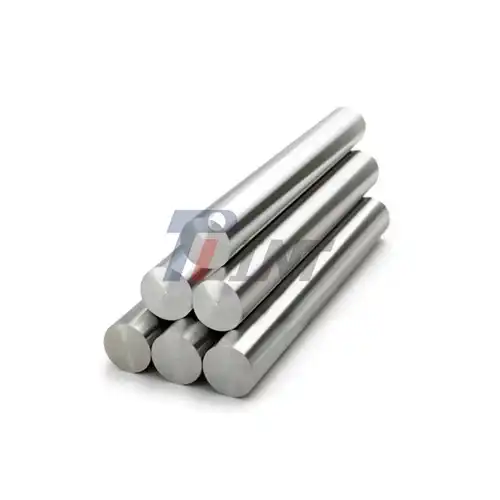
When thinking about how long dental repair systems last, it's important for procurement managers and R&D experts to know how long titanium bar dental implants last. When used with methods like All-on-4 or All-on-6, these precision-engineered parts join multiple implant posts to make a safe framework for replacement teeth. These bars are made from medical-grade titanium alloys, especially Ti-6Al-4V and Ti-6Al-4V ELI. They solve important mechanical problems in mouth therapy, such as distributing stress evenly across the alveolar ridge and stopping tiny movements that could hurt osseointegration. Titanium bars are the best choice for makers who want reliable, long-term clinical results in difficult medical uses because the material is naturally biocompatible and has great wear resistance.
|
|
|
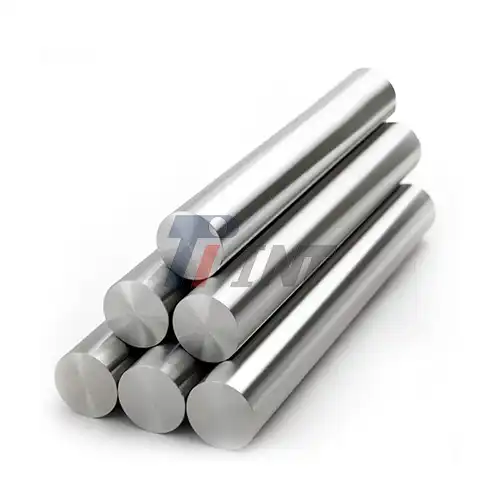
Understanding Titanium Bar Dental Implants and Their Durability
The Engineering Foundation of Modern Implant Systems
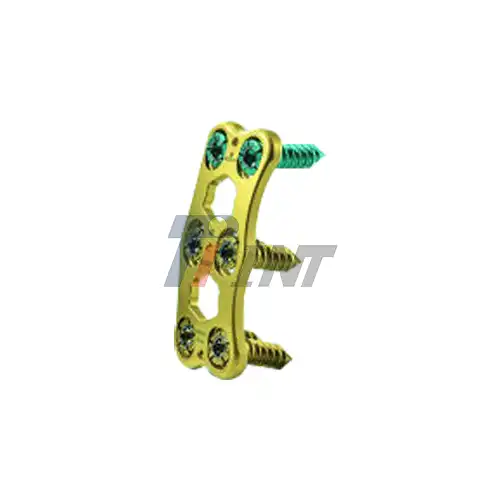
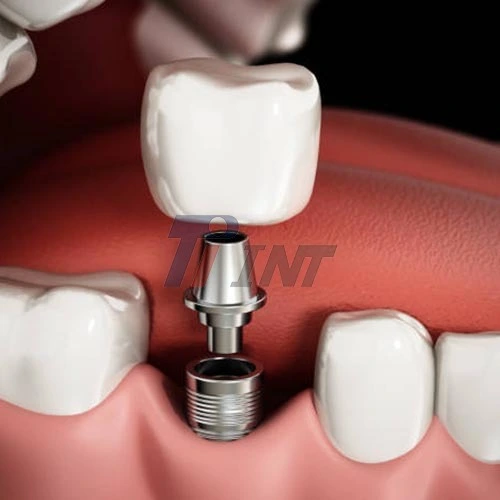
Modern dentistry gadget making has come a long way, and titanium bar dental implants are one example. These bars are the mesostructure, which is the important part that connects the implant fixings to the artificial superstructures. Titanium bars, on the other hand, hold several implants together, making a single load-bearing base that fixes differences in angulation while meeting the passive fit standards needed to avoid bone stress around the implants.
The material science behind these parts has a direct effect on how long they last and how well they work. Medical-grade titanium alloys have a mass of about 4.43 g/cm³, which makes them much lighter than standard chromium-cobalt options while still having better tensile qualities. This trait of being light is especially useful for full-arch repairs, since too much weight can speed up bone loss through long-term mechanical stress.
Grade Specifications and Material Performance
Understanding the differences between titanium types is important for making choices about what to buy. Grade 5 titanium (Ti-6Al-4V) has a high tensile strength of about 895 MPa, which means it can be used for normal implant frames. Grade 23 titanium (Ti-6Al-4V ELI) has extra-low interstitial elements that make it more flexible and harder to break. These are important properties for devices that are exposed to repeated masticatory forces topping 800N in the back parts.
The dimensions of these grades stay stable within h8/h9 limits during CNC cutting processes because they meet ASTM F136 and ISO 5832-3 standards. This level of accuracy gets rid of tiny gaps that would otherwise act as stress points, directly increasing the useful life of final prosthesis parts. Titanium's inactive oxide layer naturally resists rust, which adds to its sturdiness. The material stays intact even after being exposed to mouth fluids with changing pH levels for a long time.
Titanium Versus Alternative Materials
Titanium bars and zirconia options have different pros and cons that affect how they are bought. While zirconia's tooth-like color makes it look better, its brittleness makes it hard to work with and increases the risk of breaking under dynamic loading. According to clinical data, titanium implant fractures are still very rare, with failure rates below 0.2% in cases where everything was done correctly. On the other hand, ceramic parts are more likely to get microcracks during production that spread over time.
Titanium is also better than other materials when it comes to biocompatibility. Because titanium is bioinert, it doesn't cause a strong foreign body reaction. This makes osseointegration, the direct structural link between bone and implant surface, more predictable. This organic connection is what makes implants stable over time. In some cases, implants have been useful for more than 20 years after being placed, as long as the right material specs are followed.
Factors Affecting the Longevity and Durability of Titanium Dental Implants
Mechanical Properties and Fatigue Performance
Several mechanical factors are used in the longevity equation for titanium bar dental implants. Dental implants go through millions of loading cycles over the course of their service life, so fatigue resistance is very important. Because titanium has a high cycle fatigue strength, it can handle being stressed over and over again without cracks spreading, which is how weaker materials fail in the same situations.
Titanium metals are strong for their weight, which gives designers a lot of freedom when making frames that evenly spread dental forces across supporting bone structures. This ability to spread out loads stops stress buffering, which happens when implants that are too stiff protect the bone around them from normal loading, which leads to adaptive resorption that weakens long-term stability.
Surface cleaning methods have a big effect on how long something lasts. Acid etching and sandblasting are two techniques that change the microstructure of the surface, which speeds up the mending process by putting bone back together faster. Better osseointegration means better load transfer and higher resistance to peri-implantitis, a biological problem that can damage even implant systems that are technically sound.
Design Considerations for Extended Lifespan
The shape of an implant affects how stress is distributed in both the implant itself and the bone around it. Titanium bars with the right cross-sectional measurements stop cantilever effects in distant extensions while staying hard enough to not bend while they're working. Finite element analysis shows that titanium frames that are the right size lower peak stress levels by 35–40% compared to options that are too small.
When judging longevity, the idea of passive fit becomes very important. Frameworks that fit without putting stress on implant parts stop the buildup of chronic stress, which speeds up mechanical wear and biological problems. To ensure passive fit, manufacturing errors must be less than 50 micrometers. This requires high-precision cutting skills and quality control procedures that set premium suppliers apart from cheap providers.
Biological and Clinical Variables
Real-world longevity is based on how well the material works with factors that are unique to each patient. The quality of osseointegration relies on the mass of the bone, its ability to heal, and the lack of systemic conditions that stop tissue renewal. When purchasing materials for a wide range of patients, procurement managers can rely on titanium's uniform biocompatibility across all demographic groups. This is in contrast to materials that have different biological responses.
A lot of research from many years ago shows that titanium implants have life rates of over 95% at 10 years after surgery if the right steps are taken. These results show that titanium is resistant to biocorrosion, even in tough mouth settings with lots of bacterial biofilm. Because the material is stable in physiological conditions, there are no worries about ion release or galvanic rusting, which can happen with implant systems made of more than one material.
Titanium Bar Dental Implant Procedure: Ensuring Durable Outcomes
Surgical Protocol and Framework Integration
For titanium bar dental implants, the insertion process is done in a certain order to ensure the most long-term security. Surgeons put each implant piece in a set spot, and they often use surgery guides to make sure the right angle and depth. After that, either CAD/CAM milling or traditional casting is used to make the titanium bar that connects these fixings with exact physical accuracy.
For longevity, it is important to get a passive fit during framework placement without putting pressure on the implant links. Before the final prosthetic connection, methods like the Sheffield test and x-rays are used to make sure the device is properly seated. Paying attention to physical accuracy during surgery creates good conditions for the osseointegration process, which is what decides long-term success in the end.
Recovery Dynamics and Healing Integration
Titanium implant systems usually take 3 to 6 months to heal, during which time bone reshaping happens where the implant meets the muscle. Titanium is biocompatible, which means it doesn't cause a lot of inflammation and is good at absorbing proteins, which helps osteoblasts join the process. Advanced surface treatments can speed up integration, which cuts down on the time it takes to put in methods that need quick repair.
When patients heal from surgery using titanium frames, they usually only feel mild pain. This is because the material is biocompatible and the surgery is predictable. Since titanium bars are lighter than other framework materials, they make it less noticeable that something is there. This helps the patient accept the device during the temporary healing phase.
Comparative Insights: Titanium Bars vs Alternative Implant Materials and Designs
Material Performance Analysis
When looking at different structure choices, titanium bar dental implants stand out because they are more durable and can withstand stress better. Mechanical tests show that titanium's yield strength is higher than that of gold metals and that it is more resistant to rust than cobalt-chromium options. Because of these qualities, the prosthesis will need less long-term care and be less likely to crack in the framework, which is a catastrophic failure mode that requires a full artificial replacement.
Lifecycle value, not just the original cost of the materials, is what cost analysis needs to look at. Titanium frames are more expensive, but their long service life and low rate of complications make their total cost of ownership more favorable. Case studies from high-volume implant centers show that titanium bar replacements can last for more than 15 years without needing to be replaced. This shows that the economic value is high enough to justify the purchase.
Configuration Options and Design Flexibility
Because each patient's body is different, titanium bars can be customized to fit their needs. Manufacturers can change the cross-sectional curves, cantilever sizes, and connection shapes to make sure that the load is distributed most efficiently in each case. This design's ability to be changed is especially useful in complicated repairs where bone tissue is damaged or implants are placed in unusual places.
When you compare screwed and bonded holding methods on titanium bars, you can see that they have different pros and cons that affect how to maintain them. Screwed connections make it possible to remove parts for cleaning and repairs, which extends the function's life through preventive maintenance. Titanium's mechanical qualities allow for both holding ways to work without affecting the structure's strength, which gives repair designers more options.
Procurement Guide: Selecting and Buying Durable Titanium Bar Dental Implants
Critical Selection Criteria for B2B Buyers
When looking for titanium bar dental implants, procurement managers have to look at a number of factors. Material approval is very important. Making sure that the titanium provided meets the requirements of ASTM F136 or ISO 5832-3 guarantees basic mechanical qualities and biocompatibility. By asking for material certificates and lot tracking paperwork, you can avoid getting low-quality metals that hurt the performance of your device.
Dimensional limits have a direct effect on the inactive fit that is so important for long-term success. Setting standards for cutting precision and following incoming testing procedures helps keep assembly problems to a minimum and guarantees consistent replacement results. Suppliers who can show they can handle h8/h9 measurement control have the advanced production skills needed for medical-grade parts.
Supplier Qualification and Certification Standards
Quality management system certificates show that a company is committed to making sure that production standards are always met. The ISO 13485:2016 approval covers the specific needs of making medical devices, such as risk management, design control, and tracking systems. Suppliers who are certified by both ISO 9001:2015 and ISO 13485 show that they have a high-quality infrastructure that can be used in important medical uses.
Verification of regulatory compliance makes sure that markets can be reached in all areas. EU CE marking shows that the device meets the standards of the Medical Device Regulation, and FDA establishment registration makes it easier for finished devices to reach the U.S. market. When shopping for foreign markets, procurement teams gain when sellers keep up with regulations in more than one area. This makes compliance easier and gives the supply chain more freedom.
Customization Capabilities and Technical Support
Strategic providers are different from basic vendors because they can make titanium bars that are exactly what you need. Manufacturers who give design help, help with choosing materials, and sample development services add value beyond just providing raw materials. Technical help that includes processing suggestions and quality fixing speeds up product development and cuts down on the time it takes for new device ideas to reach the market.
In the medical device industry, where material consistency and supply stability have a direct effect on production plans, building long-term relationships with suppliers is very helpful. When vendors show stable delivery performance, good communication, and aggressive quality management, buying groups that handle complicated supply chains choose to work with those vendors. Checking a supplier's ability to handle increasing volume makes sure that they can keep up with the growth of the business.
Conclusion
Titanium bar dental implants last a long time because they are made with advanced materials, are carefully engineered, and are compatible with living things. Titanium bar components last a very long time because they don't wear down easily, don't rust, and are sure to fuse with the bone. Medical device makers can make sure that repair systems they sell are effective and meet high performance standards by basing their buying choices on material requirements, source qualifications, and lifetime cost analysis. There is a lot of proof that titanium is the best material for challenging implant uses where longevity is directly linked to clinical success and patient happiness.
FAQ
Q1: How long do titanium dental implants typically last?
A: There is clinical proof that titanium bar dental implants that were made correctly usually work for 20 years or more, and in many cases they work for more than 30 years. When mixed with the right surgery method and patient care procedures, the material's rust resistance and wear qualities make this possible.
Q2: What makes Ti-6Al-4V ELI superior for medical implants?
A: The name "Extra Low Interstitials" means that it has less oxygen, nitrogen, and iron than regular Ti-6Al-4V. This change to the makeup makes it more flexible and harder to break, which means cracks are less likely to spread under cycle loading, which is very important for medical devices that are used over and over again.
Q3: Can titanium bars be customized for specific surgical cases?
A: Customization is possible with medical-grade titanium bars thanks to CNC cutting, which lets them be made with shapes that fit the unique needs of each patient. Manufacturers can change the cross-sectional size, total length, and connection arrangements to get the best load distribution and passive fit in a range of implant places.
Partner with a Trusted Titanium Bar Dental Implants Manufacturer
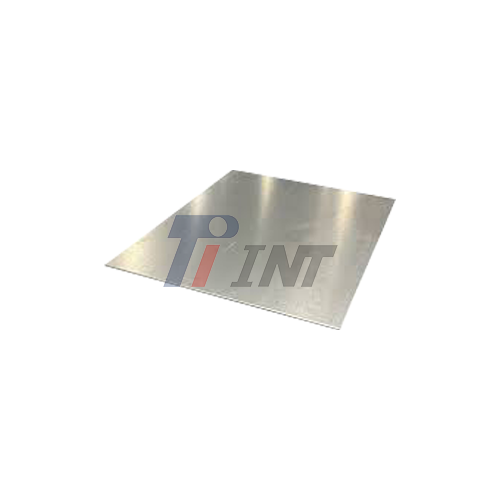
There are 30 years of specialized experience at Baoji INT Medical Titanium Co., Ltd. in making medical-grade titanium. They are a trusted seller of titanium bar dental implants to top medical device companies around the world. Our wide range of products includes bar, rod, plate, and wire shapes made from Ti-6Al-4V and Ti-6Al-4V ELI materials. They are all made using quality systems that are ISO 9001:2015, ISO 13485:2016, and EU CE approved.
We know the problems medical device makers face when they try to buy things: finding materials, making sure they are the same size, making sure deliveries are reliable, and getting expert help. These problems can be fixed by our manufacturing skills, which include checked quality control, recorded lot tracking, and quick engineering help. Whether you need standard specs or special processing, our team can help you with everything, from choosing the right materials to making sure the production goes smoothly.
Send an email to export@tiint.com to talk to our technical sales team about your unique needs for titanium bar dental implants or to ask for material approvals and sample evaluation. Find out how working with a skilled medical titanium expert can make your supply chain stronger and the quality of your products better.
References
1. Brunski, J.B. "Biomechanical Factors Affecting the Bone-Dental Implant Interface." Clinical Materials, Volume 10, 1992, pp. 153-201.
2. Steinemann, S.G. "Titanium—The Material of Choice?" Periodontology 2000, Volume 17, 1998, pp. 7-21.
3. Niinomi, M. "Mechanical Properties of Biomedical Titanium Alloys." Materials Science and Engineering: A, Volume 243, 1998, pp. 231-236.
4. Albrektsson, T. and Wennerberg, A. "Oral Implant Surfaces: Part 1—Review Focusing on Topographic and Chemical Properties." International Journal of Prosthodontics, Volume 17, 2004, pp. 536-543.
5. Hanawa, T. "Metal Ion Release from Metal Implants." Materials Science and Engineering: C, Volume 24, 2004, pp. 745-752.
6. Geetha, M., Singh, A.K., Asokamani, R., and Gogia, A.K. "Ti Based Biomaterials: The Ultimate Choice for Orthopedic Implants—A Review." Progress in Materials Science, Volume 54, 2009, pp. 397-425.
_1753427753918.webp)
_1750664157440.webp)
_1750210148763.webp)