The Benefits of Using Titanium Bars in Various Industries


 2026-07-02 08:32:42
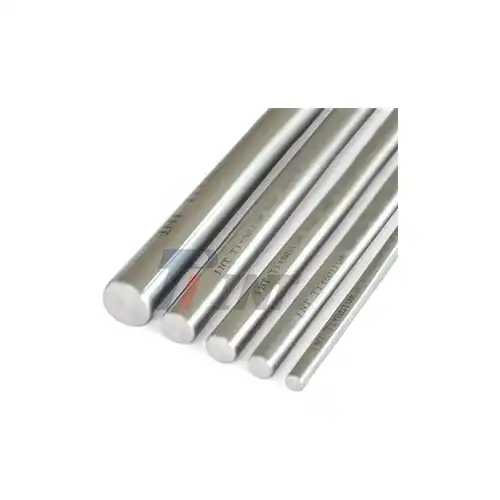
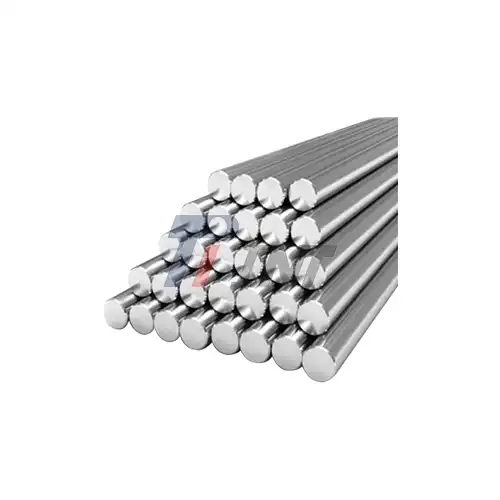
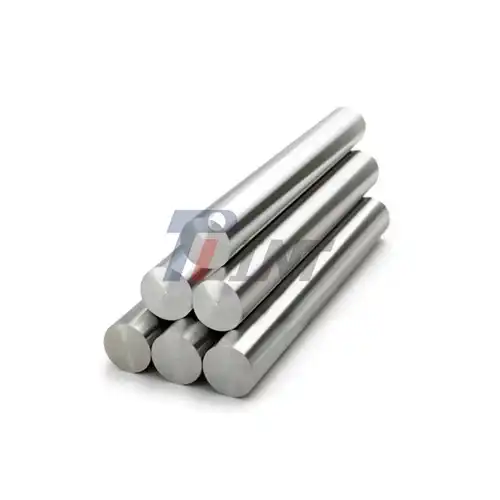
Titanium bars have changed the way many industries make things, from life-saving medical gear to new ideas in space travel. A medical titanium bar is more than just a piece of metal; it's the result of decades of progress in materials science, giving it unmatched strength, biocompatibility, and resistance to rust. Titanium has special properties that make it useful for making orthopedic implants, airplane parts, and chemical processing equipment. Knowing these properties can help you make your products work better, keep patients safe, and last longer. This detailed article talks about why titanium bars are still the best choice for tough jobs.
|
|
|
Understanding Titanium Bars and Their Properties
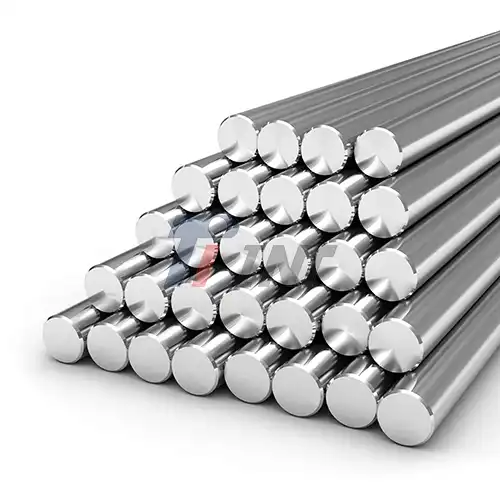
Medical titanium bars are special metal pieces made from titanium alloys that are both very strong and very light. Titanium is different from other metals because it has a special crystalline structure that makes it work better in medical and industry settings.
What Makes Titanium Bars Unique?
Titanium is different from other metals like stainless steel and cobalt-chromium alloys because of how it is made. Titanium has a strength-to-density ratio of 76 kN·m/kg, which is about 20% higher than stainless steel's 63 kN·m/kg. Its density is only 4.51 g/cm³, which is almost half of stainless steel's density of 8 g/cm³. This major benefit directly leads to lighter devices that put less stress on patients while still keeping their shape under physiological loads.
Titanium has an elastic stiffness of about 110 GPa, which is half of what stainless steel has. This quality is very important in orthopedics, where having the same mechanical properties as natural bone (elastic modulus 10–30 GPa) lowers stress buffering. This is when implants that are too stiff stop the load from being distributed properly, which causes bone to break down. Our titanium bars fill this gap better than bars made of other materials, which helps the bone integrate better and ensures long-term implant success.
Common Medical-Grade Titanium Alloys
Three types of titanium are mostly used in the medical field: Pure Titanium (Grades 1-4), Ti6Al4V (Grade 5), and Ti6Al4V ELI (Grade 23). Grade 2 Pure Titanium is very easy to shape and has a yield strength of about 275 MPa. This makes it good for non-load-bearing uses like tooth healing caps and bendable fixing plates. Because it is soft, doctors can shape parts during surgery without making tiny cracks.
Ti6Al4V is much stronger than other materials because it has a yield strength of 860 MPa and is made up of 6% aluminum and 4% vanadium. This metal is mostly used to make load-bearing implants, like hip stems and knee joint parts that are stressed over and over again by daily action. The Extra Low Interstitial (ELI) version, Ti6Al4V ELI, goes through extra cleaning to lower its iron, nitrogen, and oxygen content, which makes it more flexible and difficult to break. This grade is the best for important implants where failure risks can't be allowed. It has a tensile strength of at least 895 MPa and an elongation of at least 10%.
Manufacturing Process and Quality Control
To make medical-grade titanium bars, you have to go through a lot of steps, starting with sponge titanium polishing and ending with vacuum arc remelting (VAR). This method gets rid of flaws and makes blocks that are all the same and have controlled microstructures. To get the right size and strength, the ingots are "hot worked," which means they are forged and rolled at high temperatures.
Hydrogen control is very important for medical uses. Titanium easily takes in hydrogen during processing, and when the quantity goes above 0.015 percent, fragile titanium hydrides form that weaken the structure. Manufacturers use vacuum heating processes to get rid of the hydrogen that has dissolved in the material, which makes it flexible. At our factory, every batch goes through spectroscopic analysis to make sure it meets ASTM standards for chemical makeup, ultrasonic testing to find any flaws inside, and mechanical testing to make sure it has the right tensile qualities. Following the rules set by ISO 9001:2015 and ISO 13485:2016 ensures that the product can be tracked from the raw materials to the final product. This is a must for companies that make medical devices that need to follow FDA and CE rules.
The Benefits of Titanium Bars in Medical Applications
Medical titanium bars are used in medical devices where the performance of the material has a direct effect on how well the patient does. Titanium's special qualities make it useful for things like teeth implants and spinal fusion systems that other metals can't do.
Superior Biocompatibility and Low Rejection Rates
In medicine, biocompatibility is titanium's most praised quality. When titanium is inserted, it quickly forms a solid layer of titanium dioxide (TiO₂). This makes an inert interface that biological systems see as safe. This oxide layer stops ions from leaching into nearby tissues, which pretty much eliminates metallosis. Metallosis is a disease in which metal fragments cause inflammation and device failure.
Clinical data spanning decades shows that titanium is very good at integrating with bone. Over 95% of dental implants made from titanium bars are successful after 10 years. This is because the titanium surface actively encourages osteoblast bonding and bone growth. The surface of the material can be changed by grinding or acid-etching to make it rougher, which helps cells stick to it and speeds up the mending process. Unlike stainless steel, which can cause nickel sensitivity in some patients, titanium doesn't cause many allergic reactions, so it can be used by almost all patient groups.
Corrosion Resistance in Demanding Environments
Surgical tools and implants have to deal with very difficult conditions, such as being autoclaved over and over, coming into touch with saline body fluids, and being exposed to changes in pH that are either acidic or basic. Titanium's passive oxide layer grows back right away after being scratched, making its rust resistance better than that of stainless steel options.
Studies that compare how long medical tools last have shown that titanium ones keep their precise tolerances and sharp edges through thousands of sterilization cycles, while stainless steel ones start to break down. This means that replacement costs will be cheaper and surgical results will be more constant. Medical facilities say that titanium tools keep working the same way for 15 to 20 years with normal use, while stainless steel instruments only last 5 to 8 years.
High Strength-to-Weight Ratio and Fatigue Resistance
Titanium has a great strength-to-weight ratio, which helps patients immediately. Hip implants made from our titanium bars are 40–50% lighter than cobalt-chromium options, but they can hold the same amount of weight. This weight loss makes it easier for patients' bodies to heal while lowering the stress on the tissues around them.
Resistance to fatigue is also very important. When a person walks normally, their hip joint goes through about a million loading cycles a year. Our Ti6Al4V ELI bars have fatigue limits higher than 600 MPa, which means that implants will last for decades under repeated stress without cracking. Titanium is very reliable because its composition doesn't crack easily and it doesn't have any weak phases like other alloys do when they are loaded and unloaded over and over again.
Practical Medical Applications
Most of the medical titanium bars that are used are in orthopedic treatment. Precision-machined titanium stems connect to acetabular cups and tibial components in hip and knee replacement systems. The low elastic stiffness of the material lets it bend slightly when it's loaded, which is similar to how joints naturally work and keeps the bone stock around the joint.
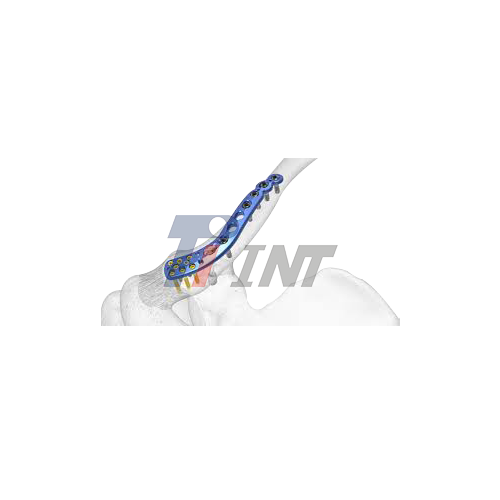
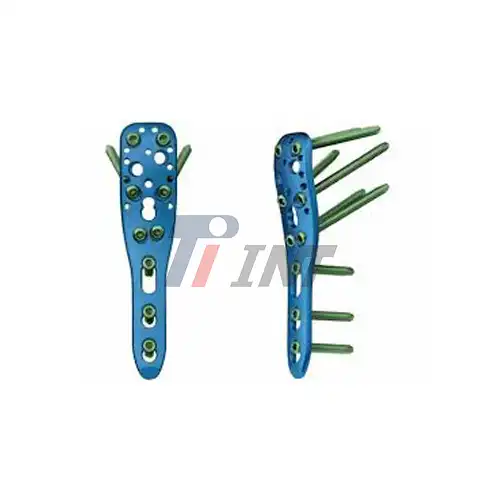
Spinal fixation systems use titanium rods with widths between 6 mm and 8 mm that have been precisely cut to fit onto a pedicle screw. Surgeons like how malleable titanium is—rods can be shaped during surgery to fit the unique spine curve of each patient without affecting the rods' structural stability. Titanium plates and screws are used to fix fractures in trauma situations because the material is radiolucent, which means that X-rays taken after surgery can show clearly without the flaws that are common with stainless steel.
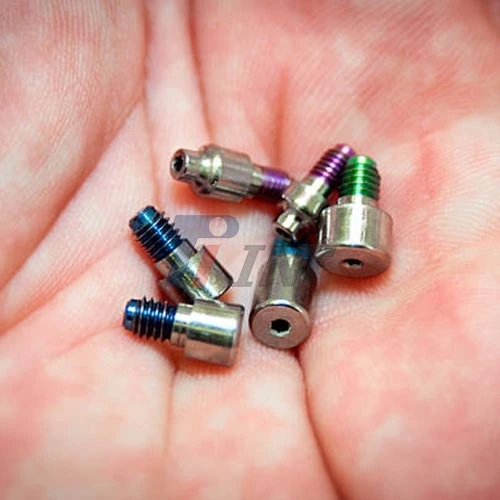
A lot of dental implants are made from small titanium bars (usually 3 to 6 mm) that have been turned into threaded screws. These implants are made to fit straight into the jawbone, giving false teeth a stable place to attach. After 3 to 6 months of healing, the osseointegration process is complete, and titanium abutments connect the implant to the crown structures that can be seen.
Industrial Advantages of Titanium Bars Across Various Sectors
Titanium bars are useful for more than just medicine. They improve performance in the aircraft, automobile, chemical processing, and marine industries. Extreme temperatures, corrosive environments, and weight limits are some of the problems that these industries face. Titanium's qualities make it worth the higher cost because it improves working efficiency and extends the life of equipment.
Aerospace and Automotive Applications
In the 1950s, titanium was first used in the aerospace business because they knew that every kilogram taken off of airplane structures directly saved fuel and increased payload capacity. Titanium is used a lot in modern business airplanes for important structural parts, landing gear assemblies, and turbine engine parts. When made into compressor blades, titanium bars can survive temperatures above 400°C and keep their exact dimensions over thousands of thermal cycles.
Aerospace-grade Ti6Al4V bars can cut the weight of landing gear sections by 30–40% compared to steel versions. They do this by being resistant to fatigue under cyclic loads, which keeps failures from being catastrophic. The fact that the material can be used with composite structures makes it even more valuable. Titanium screws and fittings can be used with carbon fiber parts without the galvanic corrosion problems that come with metal options.
More and more, automakers are asking for titanium bars to be used in speed and electric vehicles. Titanium connecting rods make high-performance engines lighter, which lets them reach higher RPM limits and respond better to throttle inputs. Manufacturers of electric vehicles use titanium in the housings of their batteries because it saves weight, which directly increases the range of the vehicle. Racing teams use titanium for their exhaust systems, brake caliper pistons, and suspension parts, even though the materials are more expensive. They do this to gain a competitive edge that is measured in seconds per lap.
Chemical Processing and Marine Environments
Acids, chlorides, and high-temperature process streams are always corroding chemical plants and platforms in the ocean. Titanium is very resistant to pitting and crevice corrosion caused by chloride. This makes it an essential material for heat exchangers, reactor vessels, and pipe systems that deal with acid media. A titanium heat exchanger put in a chlor-alkali plant has a service life of more than 25 years without any noticeable wall thickness loss. Stainless steel units, on the other hand, need to be replaced every 3 to 5 years.
The same is true for marine uses. About 19,000 parts per million (ppm) of chlorides are found in seawater. These are levels that quickly break down common metals. Titanium bars used to make propeller shafts, pump housings, and parts of desalination plants don't get biofouling and keep their shape even after being exposed to saltwater for a long time. Titanium is used by naval engineers for submarine hull penetrations and seawater cooling systems because it is a reliable material that affects operating safety.
Titanium tubing and pipes made from our bars are used in deep-water risers and underwater wellheads by the offshore oil and gas business. These parts have to work in settings with bad gases that contain hydrogen sulfide and pressures higher than 10,000 psi. If they fail, it could be disastrous for the environment. Titanium's resistance to stress corrosion cracking in these situations gives it an important safety cushion that other materials can't match.
Documented Performance Improvements
Case studies from the real world show how valuable titanium is. A chemical company in Europe switched from stainless steel heat exchanger tubes to titanium ones. This cut down on the number of maintenance shutdowns from every six years to every eight years. Within 18 months, the longer repair interval made up for the higher original material cost, and in the years that followed, it was just cost saves from operations.
An aerospace supplier that made landing gear parts moved to precision-ground titanium bars with a h8 tolerance, which got rid of the need for extra grinding. Because the raw materials' tolerances were tighter, they could be machined directly to the end dimensions. This cut manufacturing costs by 22% and made the consistency of the measurements better. These cases show how smart choice of materials gives businesses in a wide range of fields a competitive edge.
How to Procure High-Quality Medical Titanium Bars: A B2B Buyer's Guide
To find medical titanium bars, you have to do more than just compare prices. You have to carefully evaluate each seller. When making medical devices, the stakes are especially high because material flaws can hurt patients, cause product recalls, and lead to fines from regulators.
Verifying Supplier Credentials and Certifications
Start evaluating the provider by asking for proof of approval. Medical titanium providers that are legitimate keep their ISO 13485:2016 certification up to date. This is the worldwide standard for quality management systems for medical devices. This certification shows that the company follows written processes for every step of the production process, from getting the raw materials to shipping and final review.
ISO 9001:2015 approval is a basic way to make sure the quality of a product, and EU CE marking shows that it meets European rules for medical devices. Buyers in the United States should make sure that providers can give them material test certificates (MTCs) that show the chemical make-up and mechanical qualities of a product and can be linked to specific heat lots. When submitting to the FDA under 510(k) and during quality checks, these certificates are very important.
Ask for proof that the product meets ASTM standards, namely ASTM F136 for Ti6Al4V ELI medical implants and ASTM F67 for titanium that hasn't been alloyed. Material that doesn't have valid ASTM approval comes with legal and liability risks that trustworthy makers try to avoid. Also, find out about the supplier's methods for keeping track of goods. Leading makers give each batch of their products a unique lot number. For at least 15 years, they keep records that link finished bars to source ingots, processing settings, and inspection results.
Evaluating Technical Capabilities and Custom Services
When making medical devices, it's common to need specifics that aren't available in a normal list. Look at the CNC turning, milling, and Swiss-style screw machining skills of possible providers to see if they can deliver parts that are exactly the right size. Suppliers that offer combined services make the supply chain simpler and lessen the chance of quality problems that can happen when materials are passed from one seller to another.
Find out what surface finishing choices are available. For implants that need to connect to soft tissues smoothly, polished surfaces work best. Sandblasted finishes, on the other hand, help bones stick to the implant. Advanced providers offer services for changing the surface of things, such as anodizing to color-code medical tools and passivation processes that make the protective oxide layer work better.
Premium suppliers are different from common suppliers because they can make custom alloys. For some uses, tweaked Ti6Al4V formulas or beta-titanium alloys that are easier to shape are better. Suppliers who spend in collaborative research and development (R&D) help customers choose the best materials for their needs, which could help them find cheaper alternatives to expensive exotic metals.
Understanding Pricing Factors and Supply Chain Considerations
Titanium bar prices depend on a number of factors, including the alloy grade, the thickness, the length, the amount, and how hard it is to process. Commercial-grade Ti6Al4V costs less than Grade 23 Ti6Al4V ELI because it has tighter rules over the interstitial elements. Larger widths (100–150 mm) cost more per kilogram than smaller sizes because they need more raw materials and are harder to work with.
Volume agreements have a big effect on unit prices. Suppliers offer different prices depending on how much you buy. Usually, prices drop at 100 kg, 500 kg, and 1,000 kg. Annual purchase deals keep prices stable and give buyers priority during shortages, which is very important because titanium sponge supply problems can sometimes cause global markets to be disrupted.
Lead times depend on the type of order. Standard widths (10–50 mm) in common lengths usually ship within 4–6 weeks. Custom sizes, on the other hand, may need 10–12 weeks to allow for special production runs. When buyers are in charge of just-in-time inventory systems, they should set up blanket purchase orders with scheduled releases. This way, buyers can make sure that material supply matches production plans without having to pay too much for storage.
Geography is another important factor. When you buy directly from manufacturing regions, like China's Baoji titanium hub, you can avoid the markups that distributors charge and get access to the industry's most concentrated technical knowledge and production capacity. But buyers need to check export paperwork and make sure sellers know how international shipping works, including how to properly classify dangerous goods if needed.
Making the Right Choice: Factors to Consider When Selecting Titanium Bars
To choose the right materials, you need to think about scientific needs, legal requirements, cost, and the stability of long-term supplies. Between the stages of product creation and full-scale production, the decision process changes, so procurement strategies need to be flexible.
Matching Material Grade to Application Requirements
Grade selection is what buying choices are based on. Pure titanium (Grades 1-4) is used in situations where resistance to rust and shapeability are more important than strength. Grade 2, the most common type of unalloyed steel, is used for tools and inserts that don't have to hold weight. Its 345 MPa tensile strength is enough for these uses. Because it is less expensive than metals, it is often used in medical titanium bars that are only used once.
Ti6Al4V Grade 5 is the best metal for use in medical and industry settings. It can handle mild to high stress uses like dental implant bodies, orthopedic screws, and aerospace fasteners thanks to its minimum tensile strength of 895 MPa. The aluminum content makes the solid-solution stronger, and the vanadium stabilizes the beta phase so that the heat treatment reaction is better.
When fracture hardness and wear resistance are very important, Ti6Al4V ELI Grade 23 has to be used. Because it has less intermediate content, it is more flexible and sensitive to notches. This grade is always used for permanent implants like hip stems and spine rods, where failure would be very bad. Even though Grade 23 is 10-15% more expensive than Grade 5, the higher price is worth it for medical uses because Grade 23 has better mechanical qualities and is accepted by regulators.
Product Form Comparison: Bars, Wires, and Sheets
Titanium bars have clear benefits over other shapes in certain situations. Bars with diameters between 6 mm and 150 mm are the best raw material for CNC processes that make parts that are circular or prismatic. When cutting implant stems, bone screws, and tooth abutments, the round cross-section cuts down on material waste more than the rectangle bar stock.
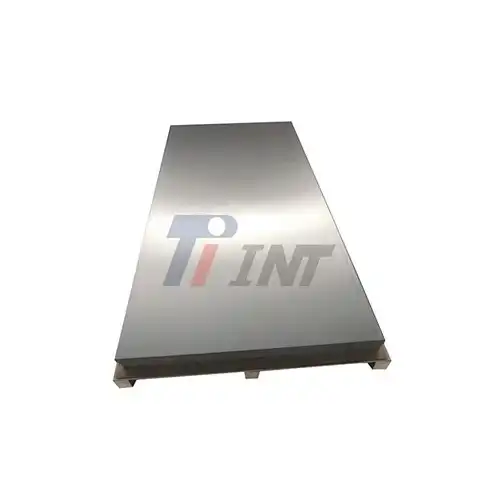
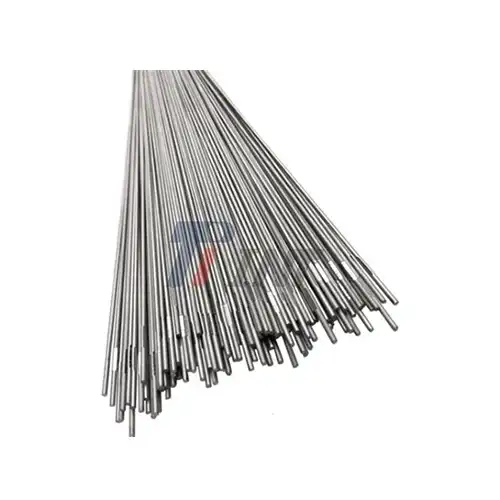
Wire items are good for uses that need small widths (less than 6 mm) and tight dimensional standards, like orthodontic devices and medical sutures. But because they have to be drawn more than bars, wires usually cost more per kilogram than bars. Sheet and plate forms are useful for making flat parts like bone fixation plates and surgical tool blades, but they create a lot of trash when they are used to make cylindrical implants from sheet stock.
Sustainability and Long-Term Value Considerations
Titanium is long-lasting, which is good for the earth and the economy. When implants last 20 to 30 years, patients don't have to have as many repair surgeries, which lowers healthcare costs and patient stress. Titanium bars are used to make industrial parts that often last longer than the facilities that make them, so there is no need for repair processes that waste time and money.
The fact that the material can be recycled makes it even more environmentally friendly. Titanium trash still has a lot of value; clean cutting chips can fetch 50–70% of the price of new material. Closed-loop recycling programs let companies send their used bars back to their sources to be turned into new bars. This is better for the earth and helps companies get their money back. This circular economy method fits with business sustainability efforts that are becoming more and more important to people who make buying decisions.
Life-cycle cost analysis always favors titanium in tough situations, even though it costs more at first. A titanium heat exchanger that doesn't rust costs three times as much as a stainless steel one, but it pays for itself in five years because it doesn't need to be replaced and works better and longer. More and more, procurement professionals are using total cost of ownership models that take these long-term benefits into account. This is why specifications are moving toward titanium, even though budget constraints are focusing on initial capital spending.
Conclusion
Medical titanium bars are a great achievement in materials engineering because they are strong, biocompatible, and resistant to rust. They can be used in medical, military, and industrial settings. Titanium has a history of working well in implants, which is good for companies that make medical devices. On the other hand, industry users benefit from titanium's longer service life and lower upkeep needs. For buying to go well, suppliers must be carefully chosen, with a focus on meeting certification requirements, having the right technical skills, and making sure the supply chain is reliable. Investing in high-quality titanium bars always pays off in the form of better product performance, governmental support, and happy customers. As technology for making materials improves and manufacturing skills grow, titanium will play an even bigger role in fields that need materials to work at the highest level.
FAQ
Why does titanium outperform stainless steel in medical implants?
Titanium is better at being compatible with living things because it has a solid oxide layer that stops ions from leaking out and inflammation from happening. The elastic stiffness of the material is 110 GPa, which is about half that of stainless steel (200 GPa). This makes it more like natural bone and lowers the stress buffering that causes bone to break down. Titanium is more resistant to rusting than stainless steel in body fluids that are high in salt. This means that you don't have to worry about nickel sensitivity, which happens to 10-15% of people who have stainless steel implants.
How can buyers check that certificates are for titanium grades?
Ask for material test certificates (MTCs) that show the chemical make-up and mechanical qualities that can be linked to specific heat lots. Check to see if the seller still has ISO 13485:2016 approval for making medical devices. Real certificates include the qualifications of the lab that issued them and refer to ASTM standards (F136 for Ti6Al4V ELI and F67 for pure titanium). Independent third-party testing by approved labs adds another layer of security when very important applications justify the cost.
What kinds of changes can be made to medical titanium bars?
Trustworthy providers can grind precisely to tight diameter specs (h7–h9), cut to any length, polish or sandblast the surface, and offer value-added machine services like CNC turning and milling. Some makers offer different alloy compositions for specific performance needs, as well as surface treatments like passivation or anodization for better corrosion protection and color coding.
Partner with a Trusted Medical Titanium Bar Supplier
Since 2003, Baoji INT Medical Titanium Co., Ltd. has sold precision medical titanium bars to companies around the world that make medical devices. Our wide range of products includes Pure Titanium, Ti6Al4V, and Ti6Al4V ELI with sizes ranging from 6 mm to 150 mm. All of these are made in accordance with ISO 13485:2016 and EU CE standards. We keep full records from the ingot to the finished bar, which makes sure that your regulatory reports go smoothly. Our expert team gives advice on choosing materials, how to handle them, and how to make sure that quality paperwork is produced to support FDA and foreign regulatory routes.
We can provide you with solid titanium bars, whether you need normal bars or bars that are precisely ground and finished on the outside, thanks to our 30 years of experience in the field. To talk about your needs, get material certificates, or set up sample tests, email our procurement experts at export@tiint.com. Find out why top medical device companies choose Baoji INT as their medical titanium bar maker for mission-critical tasks that need unwavering quality and on-time delivery.
References
1. Davis, J.R. (2003). Handbook of Materials for Medical Devices. ASM International, Materials Park, Ohio.
2. Brunette, D.M., Tengvall, P., Textor, M., and Thomsen, P. (2001). Titanium in Medicine: Material Science, Surface Science, Engineering, Biological Responses and Medical Applications. Springer-Verlag, Berlin.
3. Donachie, M.J. (2000). Titanium: A Technical Guide, 2nd Edition. ASM International, Materials Park, Ohio.
4. Niinomi, M. (2008). "Mechanical Biocompatibilities of Titanium Alloys for Biomedical Applications." Journal of the Mechanical Behavior of Biomedical Materials, 1(1), 30-42.
5. Rack, H.J. and Qazi, J.I. (2006). "Titanium Alloys for Biomedical Applications." Materials Science and Engineering: C, 26(8), 1269-1277.
6. Schutz, R.W. and Watkins, H.B. (1998). "Recent Developments in Titanium Alloy Application in the Energy Industry." Materials Science and Engineering: A, 243(1-2), 305-315.
_1752462620877.webp)
_1750662961697.webp)