
How do I choose the right titanium bar for dental prosthetics?


 2026-06-30 09:38:21
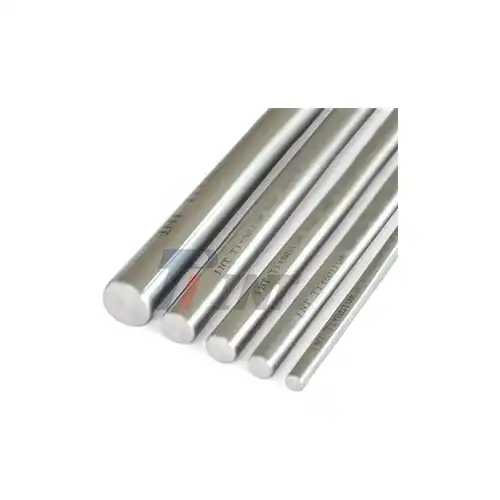
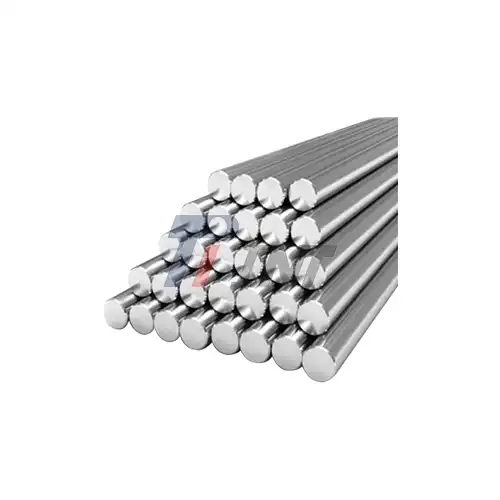
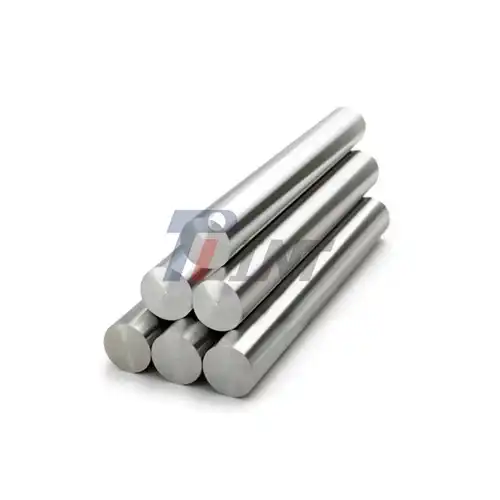
For prosthesis uses, picking the right titanium bar dental parts means looking at the grade of the material, its mechanical qualities, the supplier's licenses, and its ability to be processed. Among the best choices are Grade 5 (Ti-6Al-4V) and Grade 23 (Ti-6Al-4V ELI) titanium alloys, which are biocompatible, resistant to rust, and have a tensile strength of over 950 MPa. Professionals in charge of buying things should make sure that sellers have both ISO 13485:2016 and CE approvals. This will make sure that the products meet international standards for medical devices. Also, checking the degree of customization—for example, width options of up to 200 mm and length choices of up to 3000 mm—ensures compatibility with CAD/CAM cutting systems used in full-arch repairs and implant-supported frames.
|
|
|
Understanding Titanium Bars in Dental Prosthetics
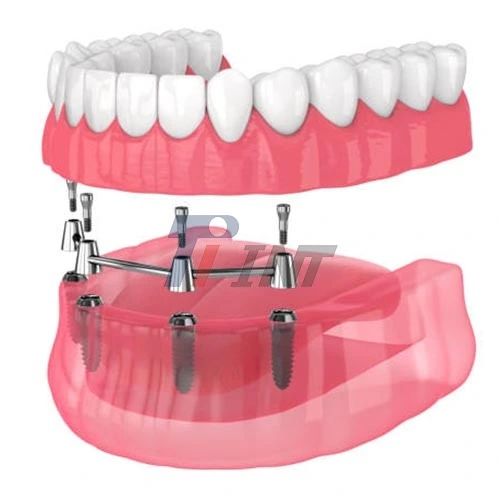
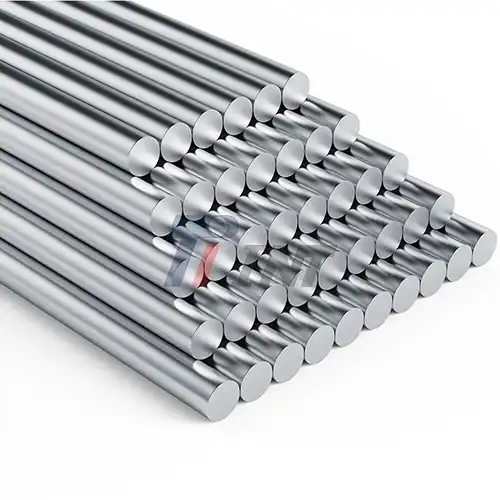
Modern dental prosthetics are built on medical-grade titanium bars. These are used as the base for implant superstructures, All-on-4 frames, and hybrid denture bases. Unlike regular industrial titanium, these precision-engineered bars are made to very tight standards for size, often meeting the h6 or h7 grades needed for passive fit in multiple implant replacements.
Commercially Pure Titanium vs. Titanium Alloys
Commercially pure titanium (Grades 1-4) is very biocompatible and is mostly used in situations where integrating the titanium into the body's tissues as much as possible is important. However, oral implants are becoming more and more interested in titanium metals because they work better mechanically. Grade 5 titanium (Ti-6Al-4V) has a tensile strength of 950 MPa, and Grade 23 titanium (Ti-6Al-4V ELI) has a tensile strength of 1100 MPa and is more flexible. Because of these qualities, producers can make frames that are smaller and lighter without sacrificing structural stability.
Advantages Over Alternative Materials
The strength-to-weight ratio of titanium is much higher than that of cobalt-chrome (CoCr) metals, which are often used in dental labs. A titanium bar dental framework weighs about 40% less than a CoCr version while still being able to hold the same amount of weight. This weight loss has a direct effect on how comfortable patients are during long wear times. The tooth-like shape of zirconia is nice to look at, but it can break easily when it is loaded and unloaded over and over again. Even though gold metals are safe, they are expensive and don't naturally have the osseointegration qualities that titanium does. Titanium is more resistant to rust than stainless steel in the mouth, where salty conditions and changes in pH make it hard for materials to stay stable.
Market data from dental implant makers constantly shows that titanium has the best long-term success rates. Studies that followed implants for 10 years found that titanium-based systems had survival rates of over 95%. This is mostly because the material can form solid oxide layers that stop germs from colonizing and inflammation responses from happening.
Criteria for Selecting the Right Titanium Bar
When purchasing titanium bars for dentistry making, procurement managers have to deal with a lot of technical requirements. It's not just choosing the right materials; the choice process also includes things like making sure the rules are followed, checking the motor performance, and making sure the seller has quality systems in place.
Material Grade Classifications
The American Society for Testing and Materials (ASTM) sets the grades of titanium based on what they are made of and how they behave mechanically. Because it is classified as extra-low interstitial (ELI), Grade 23 is the top standard for tooth implants. This label means that the material has less oxygen, nitrogen, and iron than normal Grade 5. This makes it more flexible and harder to break. Grade 23 titanium has a yield strength of 1000 MPa and a stretch value of up to 15%. These are important properties for devices that are repeatedly pressed against the back teeth with forces averaging 200 to 300 Newtons.
Certification Standards and Regulatory Compliance
Medical gadget laws require strict paperwork at every step of the supply chain. For dentistry use, titanium bar dental products must meet the ASTM F136 standards for medical implant materials and the ISO 5832-3 standards for worked titanium alloys. Suppliers should give material certificates that show the chemical make-up, which can be checked using spectroscopic analysis, as well as mechanical test reports that show the tensile and yield strength values and records that show how production batches are linked to specific ingot sources.
In addition to material approvals, makers benefit from working with providers who are ISO 13485:2016 certified. This shows that they have built quality control systems that are specific to medical devices. For European markets, products must have the CE stamp, and for U.S. sales routes, they must be registered with the FDA. These licenses make it easier for regulatory agencies to review finished dental goods and make audits easier for organizations that buy them.
Mechanical Properties Evaluation
Tensile strength tells you how well a material can fight pulling forces, and yield strength tells you how much stress a material can take before it permanently changes shape. Engineers usually say that tooth bars that hold up multiple implants must have a minimum tensile strength of 900 MPa and a yield strength greater than 850 MPa. Elastic modulus, which measures how hard a material is, is also very important. Titanium has a modulus of about 110 GPa, which is closer to the modulus of cortical bone (10–30 GPa) than CoCr alloys (220 GPa). This means that titanium doesn't protect against stress as well as CoCr alloys do, which can prevent bone loss around implants.
How well a material works under repetitive loads is based on its fatigue resistance. During their service life, dental implants are loaded and unloaded millions of times, so fatigue strength is an important factor in choosing them. High-quality titanium bars have wear limits of about 500 MPa after 10 million cycles, which is enough for 20 years or more of clinical use given the framework is designed correctly and the bars are made precisely.
Comparing Market Options and Supplier Considerations
Medical-grade titanium can be bought from a global supply network that includes both large-scale makers and specialized original equipment manufacturers (OEMs). To make sure that the supply chain stays stable and products are always the same, procurement pros have to look at more than just the original price.
Supplier Qualification Assessment
Established companies usually keep vertical integration going from getting the raw materials to inspecting the finished product. This gives them more control over quality factors. This method is used by Baoji INT Medical Titanium Co., Ltd., which has become an expert in making medical titanium since 2003, when founder Zhan Wenge took over. They can make everything, from bars and lines to plates and precision die-forged parts, and they can do it in both commercially pure titanium and Ti-6Al-4V ELI alloys.
Procurement teams should ask for proof of ISO 9001:2015 and ISO 13485:2016 certifications, material test results from independent labs, and customer references from well-known dental device makers when they are looking at prospective providers. Site checks are a great way to find out about the technical skills of staff, production tools, and environmental limits.
Pricing Structures and Delivery Reliability
Titanium bars like titanium bar dental have different prices depending on the grade, the size limits, the amount, and any special needs. Because they are harder to work with, standard diameter bars (10–50 mm) usually cost less per kilogram than large diameter choices (100–200 mm). Because it needs to go through more steps of processing to meet ELI makeup standards, Grade 23 material usually costs 15 to 25 percent more than Grade 5 material.
Lead times are another important thing to think about when buying something. Items that are in stock usually ship within two to four weeks. However, special orders that need specific heat processes or surface finishes can take up to twelve weeks. Suppliers with contract inventory programs or spare stock arrangements help makers keep up with their production plans without having to spend too much money on raw materials.
Technical support services differentiate premium suppliers from commodity vendors. Access to mechanical experts who can help choose the right material for certain clinical uses, give advice on cutting parameters for CNC operations, and do failure analysis for quality reviews is worth a lot more than the cost of the material itself.
Practical Guidance for Procurement and Usage
To use titanium bars successfully in dental manufacturing, you need to do more than just choose the right material. You also need to follow operating routines that keep the material's qualities and make sure you follow all the rules during the production process.
Sterilization and Contamination Prevention
Titanium's inactive oxide layer naturally protects against rust, but surface properties can be lost if it is not sterilized properly. For oral titanium parts, autoclave sterilization at 121°C for 20 minutes is still the best way to go because it avoids the high-temperature rusting that can happen with dry heat treatment above 180°C. Chemical cleaning with ethylene oxide or hydrogen peroxide plasma devices works well for finished limbs that need to stay the same size.
Cutting fluids, handling, or storage conditions that leave residue on a surface can make it impossible to bond or treat it properly later. Manufacturers should use clean handling procedures like lint-free gloves, designated storage areas with humidity levels below 50%, and alkaline soaps and deionized water rinses before cutting.
Ordering Specifications and Customization
When you write clear instructions on a buy order, you avoid costly misunderstandings and wasted materials. Titanium grade (ASTM F136 or F1472), length needs, limits for dimensions (width ±0.1 mm is normal), surface finish (turned, ground, or polished), and heat treatment condition (annealed or solution treated) are all important factors.
Setting up blanket buy deals with certain sources is the best way for dentistry labs to make sure that the qualities of materials stay the same from one production run to the next. Custom milling blocks that are the right size for certain CAD/CAM systems cut down on waste and cutting time, making operations 20–30% more efficient than when stock bars are too big.
Case Study: Full-Arch Implant Framework Success
A medium-sized dental lab worked with a licensed titanium provider to create the best frames for All-on-6 prosthesis systems. They were able to get passive fit errors below 10 micrometers at the implant contact by using Grade 23 titanium bars with a 25 mm diameter and the suggested CNC cutting settings. The right choice of material and careful processing led to no framework remakes over the course of a year and 150 patient cases. This shows that choosing the right titanium bars has a direct effect on clinical results and lab profits.
Conclusion
To choose the right titanium bar dental for oral dentures, you need to look at a lot of factors, such as the material grades, technical specs, source skills, and regulatory compliance. Grade 23 Ti-6Al-4V ELI is the best material for implant-supported frames that need to be very resistant to wear and compatible with living things. Purchasing managers should make it a priority for sellers to keep their ISO 13485:2016 approval, allow for customization, and offer expert help during the entire product development cycle. Investing in high-quality medical-grade titanium bars pays off in a way that can be measured: lower rates of remakes, better clinical performance, and easier regulatory approvals all lead to better patient results in modern implant dentistry.
FAQ
Q1: What titanium grade is most suitable for dental implant frameworks?
A: Due to its better biocompatibility, mechanical strength, and wear resistance, Grade 23 titanium (Ti-6Al-4V ELI) is the best material for tooth implant bars and frames. The tensile strength of this extra-low interstitial metal is over 1100 MPa, and the yield strength is around 1000 MPa. It can support full-arch replacements structurally and doesn't corrode easily in mouth settings. Commercially pure titanium grade 4 has slightly better osseointegration qualities, but it doesn't have the mechanical power needed for long-span prosthesis frames.
Q2: How do titanium bars compare to zirconia for dental prosthetics?
A: Titanium bars are more reliable for implant-supported frames that are loaded over and over again because they are more resistant to wear and more flexible than zirconia ceramic materials. Zirconia is better for looks because it looks like real teeth, but it is more likely to break when it is hit or put under cycle stress because it is so weak. Titanium has a lower elastic stiffness (110 GPa vs. 210 GPa for zirconia), which means that stress is spread more evenly across the bone, which lowers the long-term problems that come with stress buffering.
Q3: What certifications should I require from titanium bar suppliers?
A: Dental device makers should make sure that their providers keep both ISO 9001:2015 quality systems certification and ISO 13485:2016 medical device quality management certification. Material certificates must show that the materials meet the requirements of ASTM F136 or F1472 for medical implants. Documentation with a CE mark shows that the product meets European safety standards, while FDA establishment registration shows that the product can be sold in the United States. You can be even more sure of the quality by asking for batch-specific material test results that show the chemical makeup, mechanical properties, and grain structure.
Partner with Trusted Medical Titanium Bar Dental Specialists
If you need a reliable titanium bar dental source, look no further than Baoji INT Medical Titanium Co., Ltd. They offer approved Grade 5 and Grade 23 titanium alloys that meet the strict requirements of dental implant makers all over the world. Our ISO 13485:2016 and CE-certified factories make bars with diameters from 10 mm to 200 mm and lengths up to 3000 mm that can be customized to work with a wide range of CAD/CAM cutting systems. We have been experts in medical titanium processing for more than twenty years, and we can help you choose the right material, set the right settings for cutting, and make sure you have all the quality paperwork you need. You can email our procurement specialists at export@tiint.com to get sample materials, talk about bulk pricing structures designed for OEM dental device manufacturers, or find out how our precision titanium solutions can help you make your prosthetic product line better while still meeting global regulatory requirements.
References
1. Brunette, D.M., et al. (2012). Titanium in Medicine: Material Science, Surface Science, Engineering, Biological Responses and Medical Applications. Springer-Verlag Berlin Heidelberg.
2. Elias, C.N., & Lima, J.H. (2011). "Mechanical and Clinical Properties of Titanium and Titanium-Based Alloys for Biomedical Applications." Journal of Materials Research and Technology, 2(4), 340-346.
3. American Society for Testing and Materials. (2013). ASTM F136-13 Standard Specification for Wrought Titanium-6Aluminum-4Vanadium ELI Alloy for Surgical Implant Applications. ASTM International.
4. International Organization for Standardization. (2016). ISO 5832-3:2016 Implants for Surgery — Metallic Materials — Part 3: Wrought Titanium 6-Aluminum 4-Vanadium Alloy. ISO Standards.
5. Najeeb, S., et al. (2016). "Applications of Polyetheretherketone (PEEK) and Titanium in Implant Dentistry and Prosthodontics: A Comparative Review." Advanced Healthcare Materials, 5(18), 2312-2328.
6. Geetha, M., et al. (2009). "Ti Based Biomaterials, the Ultimate Choice for Orthopedic Implants – A Review." Progress in Materials Science, 54(3), 397-425.
_1753859685128.webp)
_1752820927376.webp)
_1750923514395.webp)
_1750662961697.webp)
_1749447504716.webp)