
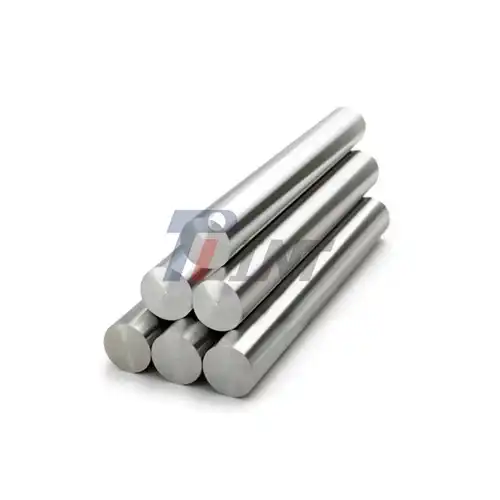
What is titanium wire used for?


 2026-06-30 09:38:09
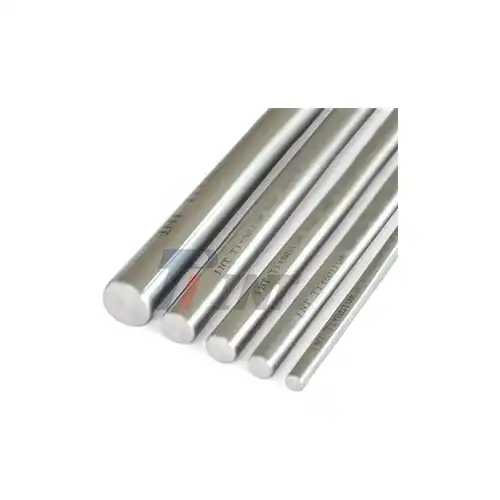
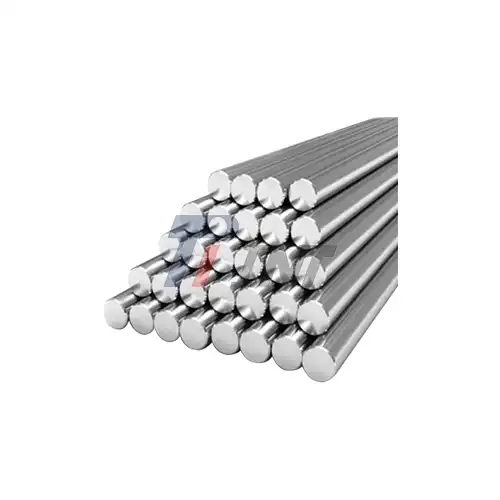
Titanium wire is a very important material in many challenging industries because it is strong for its weight, doesn't rust, and doesn't harm living things. When it comes to widely pure titanium grades, Gr4 Titanium Wire is the strongest. It has better mechanical qualities without giving up the benefits that come with pure titanium. In industries like medical device manufacturing, aerospace fastener production, chemical processing equipment, and marine environments, this wire is used to make performance-critical parts because it has a high tensile strength and is very resistant to the environment.
|
|
|
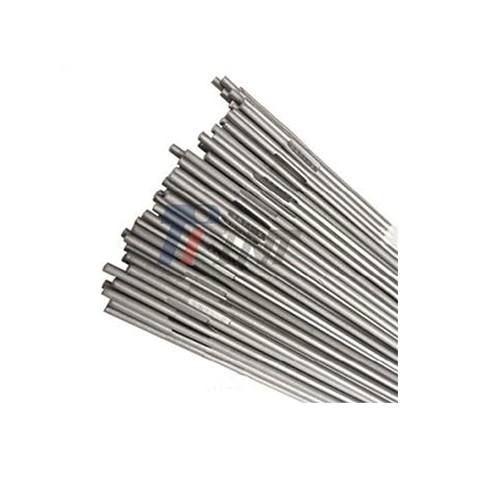
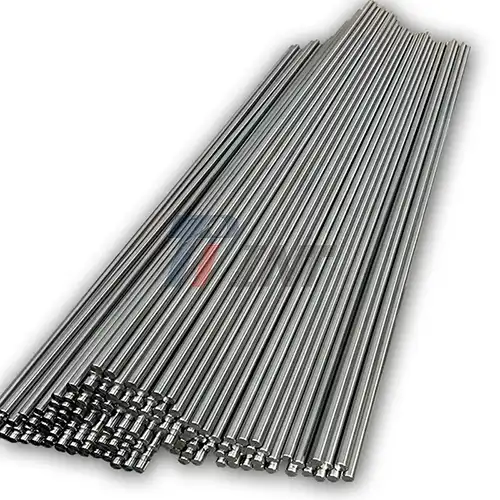
Introduction to Titanium Wire and Its Significance in Industry
Titanium wire has changed how engineers and makers solve design problems where they need to reduce weight, make things resistant to rust, and make things strong. Instead of breaking down quickly like steel or aluminum, titanium keeps its shape in places where other metals would break down quickly. Because of this one-of-a-kind property, titanium wire is the best material for fields where failure is not an option.
Understanding Titanium Wire Grades
There are different types of titanium wire on the market, and each one is made to meet specific performance needs. Grade 2 is the most common type of widely pure titanium. It is very easy to shape and has a modest level of strength, making it good for general industrial uses. Grade 5, also called Ti-6Al-4V, is a titanium alloy that has aluminum and vanadium in it. It is very strong, but the alloying elements may make it less useful in some situations, especially medical ones.
Gr4 Titanium Wire is a good choice in the middle of these two choices. It is the strongest available pure titanium grade, and its high tensile strength comes from interstitial strengthening, specifically from controlled high amounts of oxygen and iron, rather than alloying. This way of making titanium keeps the biocompatibility and rust resistance that come naturally to it while giving it mechanical qualities that are similar to those of alloyed grades.
Why Gr4 Wire Matters for B2B Procurement
Purchasing managers and R&D experts are always under pressure to find the best mix between how well materials work, how much they cost, and how well they follow the rules. This problem is directly solved by Gr4 Titanium Wire, which can be used when Grade 2 isn't strong enough for the job but needs to be biocompatible and resistant to rust, which Grade 5 can't provide because it contains vanadium and aluminum. Because of this, Gr4 wire is very useful for companies that make medical devices that are making implantable parts, surgical tools, and oral uses that need to be both mechanically reliable and biologically safe.
Properties and Chemical Composition of Gr4 Titanium Wire
The way Gr4 Titanium Wire works is directly related to its carefully controlled chemical makeup and the nanostructures that it creates. When sourcing experts know these technical details, they can decide if this material meets their unique application needs and safety standards.
Chemical Composition Standards
Gr4 Titanium Wire has strict limits on its makeup that set its performance rating. The highest amounts of nitrogen (0.05%), carbon (0.08%), hydrogen (0.015%), iron (0.50%), and oxygen (0.40%) that are allowed are found in this material. These interstitial elements, especially the higher oxygen content compared to softer titanium grades, make the solid solution stronger and improve its tensile qualities without the need for heat treatment or alloying.
Mechanical Performance Parameters
The mechanical profile of Gr4 Titanium Wire shows why design experts who work on load-bearing systems are interested in it. The minimum tensile strength of the material is 550 MPa (80 ksi), and the minimum yield strength is 483 MPa (70 ksi). This is a big improvement over Grade 2 titanium, and the material still has about 15% stretch. This mix gives the material enough flexibility for shaping while also making sure that structural parts can handle high working pressures.The material's density of 4.51 g/cm³ gives it an edge in terms of strength to weight that is especially useful in aerospace and portable medical device uses. Components made from Gr4 wire are much lighter than similar parts made of stainless steel, but they work just as well or better mechanically.
Corrosion Resistance and Biocompatibility
When Gr4 Titanium Wire is put in an oxygen-containing setting, it makes a stable titanium dioxide passivation layer on its own. This protective oxide film keeps the metal from pitting and crevice rust in seawater, wet chlorine, and other acidic environments. In some cases, it works better than stainless steel and alloyed titanium types in these harsh conditions.
The material keeps its shape in still seawater, which is a dangerous environment for other metals because of crack rust.Biocompatibility tests show that Gr4 wire meets ASTM F67 standards for use in medical implants. The substance is safe and can fuse with bone, which is important for both hip and oral implants. It lets the bone touch the implant without any negative tissue reactions. Manufacturers of medical devices depend on this certification when making goods that need FDA approval to be implanted in people.
Primary Applications of Gr4 Titanium Wire Across Industries
Gr4 Titanium Wire can be used in many different industries because it is very flexible. Each industry uses its unique material qualities to solve its own technical problems. Knowing about these uses helps procurement workers figure out if this material meets their needs for making.
Medical Device Manufacturing Applications
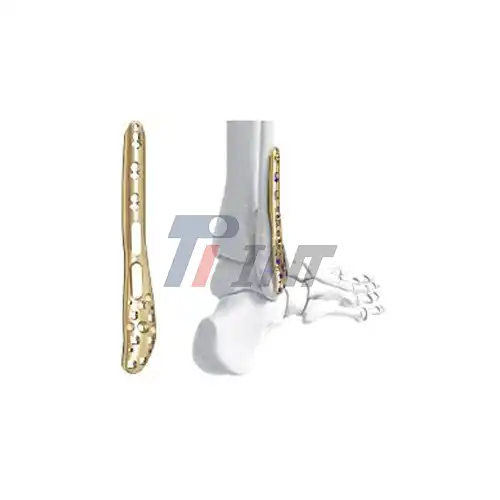
Due to its biocompatibility, strength, and resistance to rust, Gr4 Titanium Wire is mostly used by companies that make medical devices. Manufacturers of surgical instruments use this wire to make special tools that can be sterilized many times without rusting or breaking down mechanically. Because the material is strong, smaller cross-sections can be used to make instruments. This lets surgeons use less invasive methods while still keeping the necessary stiffness. Orthopedic implant makers use Gr4 wire as a raw material for bone fixation devices like screws, pins, and wire stitches that are used to fix broken bones.
The biocompatibility of the wire makes sure that it can be implanted safely and for a long time, and its mechanical strength keeps it in place while the bone heals. For example, orthodontic wires and implant parts are made from this material, which has to be able to fight corrosion in the mouth while still having uniform spring properties.We've seen a rise in demand from medical device startups working on new implantable technologies. These startups like the material because it is approved by regulators and has a stable supply chain. Since we've been working in this field since 2003, we have a deep understanding of the paperwork and traceability needs that medical makers must meet during the product development and regulatory submission processes.
Aerospace and Defense Sector Uses
Aerospace experts use Gr4 Titanium Wire for cold-heading tasks that make strong screws and bolts that are used to put together airframes. These screws need to have very high shear strength while also making the plane lighter, which has a direct effect on how much fuel it uses and how much it can carry. The material solves the difficult problem of stopping galvanic corrosion in mixed-metal systems where titanium fasteners and aluminum aircraft parts meet.Gr4 wire is used by companies that make aircraft hydraulic systems to make tubes and fittings that can withstand high pressure and hydraulic fluid rust for many years. The wear resistance of the material makes sure that it will work reliably under the cyclical pressure loads that are common in hydraulic systems during repeated flying cycles.
Chemical Processing and Industrial Applications
Chemical processing plants use Gr4 Titanium Wire for electroplating and anodizing, which are processes where parts need to be able to handle harsh sulfuric and chromic acid baths. This wire is used to make hooks and racks that hold up workpieces while they are being surface treated. Because it is stiffer than Grade 2 titanium, the material doesn't bend when big industrial parts are put on it. This keeps the electrical contact and process stability stable over long production runs.
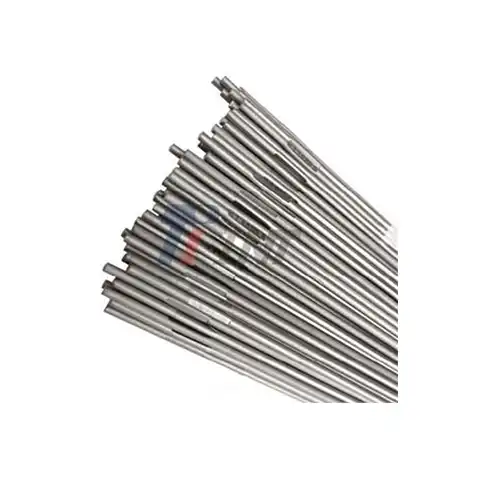
Manufacturers of heat exchangers use Gr4 wire, which is called ERTi-4 in AWS A5.16 standards, as a welder filler material. This use takes advantage of the wire's ability to work with available pure titanium parts that need high-strength weld joints in harsh service settings. The welded units keep their structure without leaking in a wide range of situations, from chemical reactor vessels to systems that cool seawater.
Marine and Subsea Environment Applications
Gr4 Titanium Wire is used in marine engineering because it doesn't rust in saltwater, which is especially useful in underwater cable systems and nautical instruments. The material works well in designs with lots of cracks, where regular stainless steels would fail because of limited rust. Manufacturers of subsea pumps use this wire for maintenance and repair work on parts. They use its ability to be welded to recover the integrity of high-strength, commercially pure titanium housings without lowering their rust resistance.
Comparing Gr4 Titanium Wire with Other Materials and Grades
When choosing a material, it's important to think carefully about the performance trade-offs, cost effects, and application-specific needs. When buying teams know how Gr4 Titanium Wire stacks up against other materials, they can make smart decisions that meet both technical needs and economic limits.
Gr4 Versus Grade 2 Titanium Wire
Grade 2 titanium wire is easier to shape and doesn't rust, and it costs less than Gr4 Titanium Wire so it can be used in places where mechanical loads aren't too high. But Grade 2 isn't as strong as Grade 1, so it can't be used in structure parts that need to hold a lot of weight. Gr4 Titanium Wire has about 35% higher tensile strength while keeping the same level of biocompatibility and rust resistance. This makes its higher price point justified for uses where optimizing strength to weight drives design decisions.
When manufacturers switch from Grade 2 to Gr4 Titanium Wire, they can often lower the cross-sections of their parts while keeping the same level of mechanical performance. This could help offset the higher cost of materials by saving weight and making designs more efficient. This change is especially helpful for medical implants, where a smaller implant volume leads to better patient results and easier surgery.
Gr4 Versus Grade 5 Titanium Alloy Wire
Most of the time, Grade 5 titanium alloy (Ti-6Al-4V) is used because it is very strong and has tensile strengths of around 900 MPa. However, this efficiency comes at the cost of adding aluminum and vanadium alloying elements that make some uses more difficult. Even though Grade 5 has better mechanical qualities, medical device makers often choose Gr4 Titanium Wire for implantable uses because they are less worried about the long-term release of vanadium ions in biological settings.
Because Gr4 wire is widely pure, it makes it easier to certify materials and keep track of their whereabouts for medical uses, which could shorten the time it takes for regulatory approval. Because Grade 5 is stronger, it's better for aircraft structure parts that are subject to high mechanical loads. On the other hand, Gr4 Titanium Wire is cheaper and works well in situations where its strength range is enough.
Gr4 Titanium Wire Versus Stainless Steel Wire
It is most common to use stainless steel wire as a choice to metal for corrosion-resistant uses because it is cheaper and easier to make. Titanium, on the other hand, is about 40% lighter than stainless steel while maintaining the same level of strength. This makes it a great choice for uses that need to save weight. Gr4 Titanium Wire is better at resisting rusting in chloride-filled settings where higher grades of stainless steel rust in pits and cracks.
Titanium is better at being compatible with flesh than 316L stainless steel, which is often used in surgery implants. This is why Gr4 Titanium Wire is so useful in medical settings. Even though stainless steel is cheaper to make, lifetime cost analysis often shows that titanium is better because it lasts longer and needs less upkeep in corrosive conditions.
Manufacturing, Heat Treatment, and Quality Considerations
The dependability of Gr4 Titanium Wire's performance depends on how it is made and how strictly it is inspected for quality. Professionals in procurement need to know about these things in order to judge the skills of potential suppliers and make sure that materials are consistent across all production levels.
Manufacturing Process Standards
The process of making Gr4 Titanium Wire starts with cleaning the sponge titanium and forming the ingots in a vacuum to keep intermediate contamination to a minimum. Manufacturers put these ingots through several steps of hot working and cold drawing, which gradually reduces their diameter while maintaining the desired mechanical qualities. This thermomechanical processing creates the material's unique single-phase alpha titanium lattice, which decides how well it works in the end.
Precision process controls are used by wire makers during drawing operations to keep the required tolerances for size and surface finish in medical and aerospace uses. By cold working the metal between cooling processes, the mechanical properties can be changed. This lets manufacturers meet specific strength requirements that are in line with ASTM B863 standards.
Heat Treatment and Property Optimization
Heat treatment of Gr4 Titanium Wire mostly acts as a stress-relief annealing process rather than a strengthening mechanism. This is because the material's qualities come from interstitial strengthening rather than phase change. The temperatures used for annealing are usually between 650°C and 800°C. This is done to remove any remaining stresses from cold working while keeping the strength level that is wanted.
Controlled annealing plans let manufacturers change the properties of wires within certain ranges. This lets them balance the need for strength and formability for different uses. Medical device makers often ask for materials that have been annealed so that they are easier to shape later on. Aerospace uses may ask for higher strength conditions that can be achieved through controlled cold work retention.
Critical Certifications and Compliance Requirements
For surgery implant uses, medical-grade Gr4 Titanium Wire needs to have full material certifications that show it meets ASTM F67 standards. These certifications show the chemical make-up, mechanical properties, and ability to be traced back to particular production lots. This helps device makers meet FDA standards for submitting implantable products. For aerospace uses, materials must meet the requirements of AMS 4956 and come with approvals that show they follow quality control systems.
Our ISO 9001:2015 and ISO 13485:2016 approvals show that we are dedicated to quality systems that meet the needs of both general industry manufacturing and medical device manufacturing. European companies that make medical devices need to make sure that they follow EU CE certification rules. We do this to help our customers' goods get into foreign markets.Quality control measures include more than just basic technical tests. They also look at things like the surface finish, the dimensions, and the presence of contamination. In medical settings, surface flaws that could affect device function or biological response need to be strictly controlled. We use thorough inspection methods to make sure that everything is in line before the material is shipped. This lowers the risk for our customers and helps them meet legal requirements.
How to Source and Procure High-Quality Gr4 Titanium Wire
To buy Gr4 Titanium Wire strategically, you need to know about global supply networks, how to evaluate suppliers, and buying issues that can affect the quality of the material and the time it takes to finish the job. Making smart choices about where to get materials gives you a competitive edge by ensuring a steady flow of materials and keeping costs low.
Global Supply Chain and Manufacturing Hubs
The global market for titanium wire focuses on specialized industrial regions that have a history of handling titanium well. Baoji, China has become a major center for making medical-grade titanium products by using its decades of experience in metalworking and its well-connected supply lines. Because of this, manufacturers in the area can offer affordable prices while still meeting the high quality standards needed for tough uses. Domestic sellers in the United States offer options for buyers who want to buy locally or need certain legal benefits. Most of the time, these providers get their raw materials from places around the world and do the final processing and certification in the United States. Knowing how these parts of the supply chain work helps procurement teams compare seller offers by letting them look at wait times and price structures.
Supplier Evaluation and Selection Criteria
Selecting the right Gr4 Titanium Wire provider requires evaluation beyond simple price comparison. Teams in charge of buying things should check that suppliers have the right certifications, like ISO 9001 for general industrial quality and ISO 13485 for making materials for medical devices. These certifications show that the quality control systems are well-established and can regularly produce material that meets specifications. When looking at possible suppliers, experience working with your business is very important. Medical device makers do better when they work with providers who know what kind of paperwork is needed for regulatory entries and how to keep track of it all.
Customers in the aerospace industry need providers who know what the AS9100 quality system requires and how to certify materials.Long-term supply rely on how stable the supplier's finances are and how much they can produce. When you look at a supplier's length of time in business, customer references, and factory facilities, you can get an idea of how well they can meet your needs as you increase production or the market changes. We've had strong relationships with customers for more than ten years, which shows that we are stable and reliable, which is important for buying teams when they are making strategic sourcing decisions.
Ordering Considerations and Customization Options
Getting Gr4 Titanium Wire requires making a number of standard choices that affect both the price and the usefulness of the material. The diameters available range from 0.5 mm for fine wire used in medical sutures to over 6 mm for larger gauges used in structure uses. For medical clarity, the surface finish needs to be bright-annealed, while pickled finishes are needed for industrial welding. Custom wire specs make it possible to get the best results for certain manufacturing methods. To make fine machining or shaping easier, medical device makers often ask for tighter measurement limits than what is required by ASTM.
To meet these needs, we offer customization services, such as special packaging layouts that work in cleanroom production settings.Lead times depend on how complicated the specifications are and how many items are ordered. They usually range from four to eight weeks for standard sizes with stock on hand to twelve weeks or longer for unique specifications that need dedicated production runs. Planning when to buy things around these facts keeps production from being held up and lets you handle your goods strategically. We can handle both large-volume contracts and smaller development amounts that help with R&D efforts before committing to full-scale production because we can plan our production well.
Conclusion
For medical device makers, flight engineers, and industrial designers looking for the best mix of strength, rust resistance, and biocompatibility, titanium wire, especially Gr4 Titanium Wire, is a great choice. This commercially pure grade of titanium fills the performance gap between Grade 2 titanium, which is softer, and Grade 5 material that has been alloyed. It gives better mechanical qualities while still maintaining the biocompatibility and environmental protection that are needed for tough uses. When procurement workers know about the chemical makeup, mechanical qualities, and specific benefits of Gr4 Titanium Wire for certain uses, they can choose materials that meet technical needs while also staying within budget and following regulations.
FAQ
Is Gr4 Titanium Wire suitable for long-term medical implants?
Gr4 Titanium Wire meets ASTM F67 standards for medical implant uses, showing that it is biocompatible and resistant to corrosion, which are important for long-term placement. The commercially pure makeup of the material means that there are no worries about alloying elements escaping into biological settings, and its mechanical strength meets the needs of structural implants. This grade is used by medical device makers all over the world for orthopedic fixation devices, oral implants, and surgery tools that need to be able to withstand being sterilized.
How does Gr4 wire's corrosion resistance compare to stainless steel in marine environments?
Gr4 Titanium Wire works much better than stainless steel types in settings with salt water and chloride. The material's natural titanium dioxide passivation layer protects it from pitting and crevice corrosion, which can happen to stainless steel in coastal environments with little air or no movement. Because they are better at resisting environmental damage, these subsea components and naval gear will last longer and need less upkeep.
Can I order custom diameters and lengths for prototype development?
We can meet your individual wire needs, such as non-standard diameters, exact length needs, and unique surface finish processes. We can make both large amounts of products and smaller amounts that are good for research and development (R&D) and making prototypes. Because of this, users can test how well the material works in their specific uses before committing to large-scale production.
Partner with Baoji INT Medical Titanium for Your Gr4 Titanium Wire Requirements
Every client of Baoji INT Medical Titanium Co., Ltd. benefits from our more than 30 years of experience in the titanium business. Since 2003, we've been a leader in developing and producing medical titanium materials. As an expert in making Gr4 Titanium Wire, we hold a number of certificates, such as ISO 9001:2015, ISO 13485:2016, and EU CE. These make sure that every wire spool meets the high quality standards that your uses need. Our technical team can help you choose the right materials, give you advice on handling technologies, and make sure you have all the paperwork you need for legal compliance. We know how hard it is for buying managers to meet quality standards while also meeting delivery deadlines and staying within budget.
Our well-trained production staff and efficient inventory management systems help us meet both current production needs and development amounts for new medical device projects. Our customization services and technical support help you make your ideas better for performance and ease of production, whether you're making next-generation surgical tools, aerospace fasteners, or specialized industrial parts.Get in touch with our team right away to talk about your unique Gr4 Titanium Wire needs. You can email our technical experts at export@tiint.com or go to inttitanium.com to see all of the medical titanium materials we offer and get specific information about the ones you need.
References
1. American Society for Testing and Materials. (2021). ASTM B863: Standard Specification for Titanium and Titanium Alloy Wire. West Conshohocken: ASTM International.
2. American Society for Testing and Materials. (2019). ASTM F67: Standard Specification for Unalloyed Titanium for Surgical Implant Applications. West Conshohocken: ASTM International.
3. American Welding Society. (2018). AWS A5.16: Specification for Titanium and Titanium-Alloy Welding Electrodes and Rods. Miami: American Welding Society.
4. Donachie, M. J. (2000). Titanium: A Technical Guide, 2nd Edition. Materials Park: ASM International.
5. Rack, H. J., & Qazi, J. I. (2006). Titanium alloys for biomedical applications. Materials Science and Engineering C, 26(8), 1269-1277.
6. Schutz, R. W., & Thomas, D. E. (1987). Corrosion of titanium and titanium alloys. In Metals Handbook, 9th Edition, Volume 13: Corrosion (pp. 669-706). Materials Park: ASM International.
_1753425743099.webp)
_1750667964882.webp)