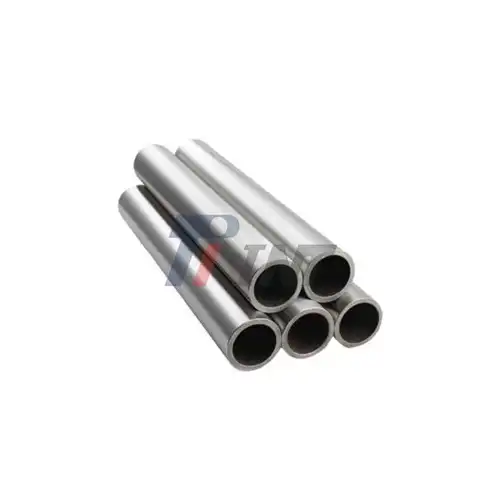

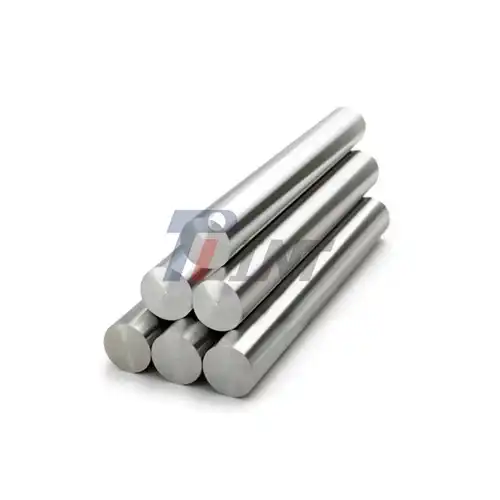
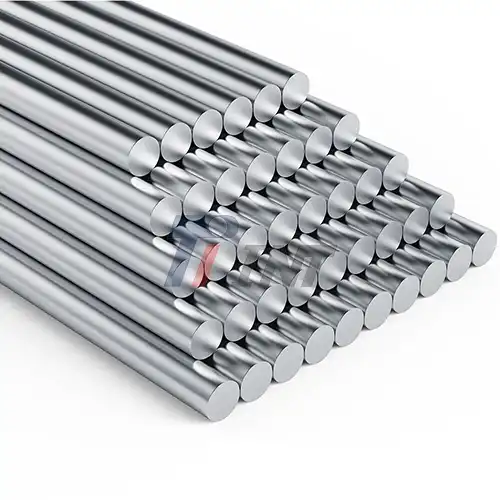
Medical-grade titanium rods with biocompatibility certifications for implants


 2026-08-14 14:25:26
When sourcing materials for life-critical implant devices, medical device manufacturers and R&D engineers face a fundamental challenge: finding titanium rod medical products that deliver both uncompromising safety and proven mechanical performance. Medical-grade titanium rods—fabricated from alloys like Ti-6Al-4V ELI (Grade 23) or commercially pure titanium—represent the gold standard for surgical implants, orthopedic devices, and dental applications. These specialized materials undergo vacuum arc remelting and controlled thermomechanical processing to achieve microstructural homogeneity that industrial-grade titanium simply cannot match. With certifications including ISO 10993, ASTM F136, FDA approvals, and CE marking, medical titanium rods address critical pain points such as stress shielding, metallosis, and fatigue failure under cyclic biological loading, making them indispensable for Class II and Class III medical device production.
|
|
|
Understanding Medical-Grade Titanium Rods and Their Biocompatibility
What Sets Medical-Grade Titanium Apart?
Medical-grade titanium rods are very different from industry ones because they have strict standards for cleanliness and quality control. Industrial titanium may have higher amounts of interstitial elements like iron and oxygen, but medical grades follow strict chemical limits to make sure that biological reactions are predictable. With less than 0.13% oxygen and less than 0.25% iron, Ti-6Al-4V ELI (Extra Low Interstitial) is the most common metal used for implantable devices. This specific chemistry gives it better ductility and crack toughness than regular Grade 5 titanium. This lowers the chance of a catastrophic implant failure during long-term use.
Critical Biocompatibility Certifications
Biocompatibility approvals are the basis for ensuring the safety of implants and getting them approved by the government. ISO 10993 sets the standard for testing medical devices biologically around the world. It requires full tests for cytotoxicity, sensitization, and systemic toxicity. ASTM F136 specifies the chemical and mechanical needs for surgical implants made of wrought Ti-6Al-4V ELI alloy. This makes sure that all production batches are the same.
With FDA 510(k) clearance and CE marking, materials can be sold in the US and the EU. These marks show that the materials meet strict safety and performance standards. Managers in charge of buying things should make sure that sellers give them all the paperwork they need, like Mill Test Certificates (MTC) according to EN 10204 3.1. These show how the chemical and mechanical qualities of a material were affected by the specific heats used during production.
Osseointegration and Long-Term Performance
Titanium is unique among metallic biomaterials because it can support osseointegration, which is the direct joining of bone cells to transplant surfaces. This one-of-a-kind event happens because titanium makes a solid, biocompatible oxide layer (TiO2) on its own when it comes into contact with living things. Bone cells stick to this inactive layer directly, without any fibrous tissue in between. This makes the bone more stable, and this stability gets better over time. Studies in humans have shown that titanium implants can last for more than 20 years if they are properly made. This is because they are very resistant to fatigue even when loaded in a way that mimics normal bodily function.
Titanium Rods in Medical Applications and Orthopedics
Core Applications in Orthopedic Surgery
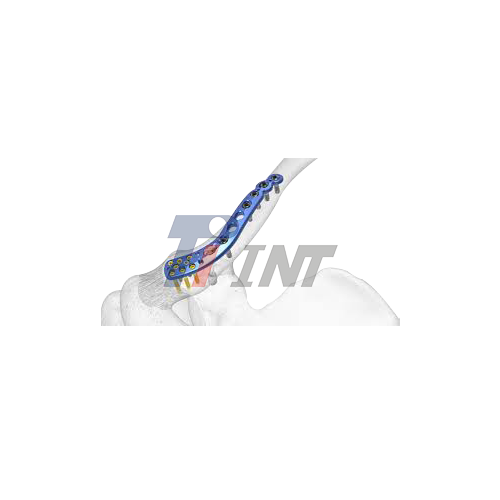
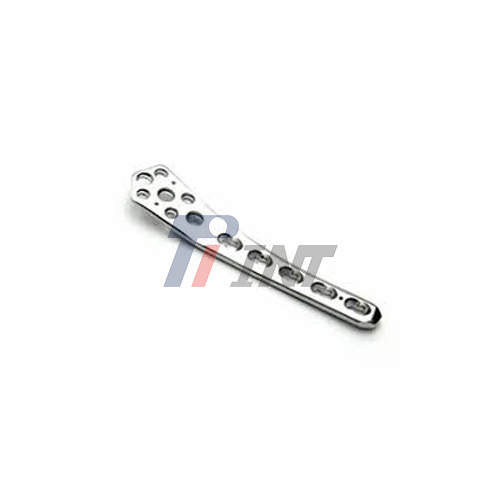
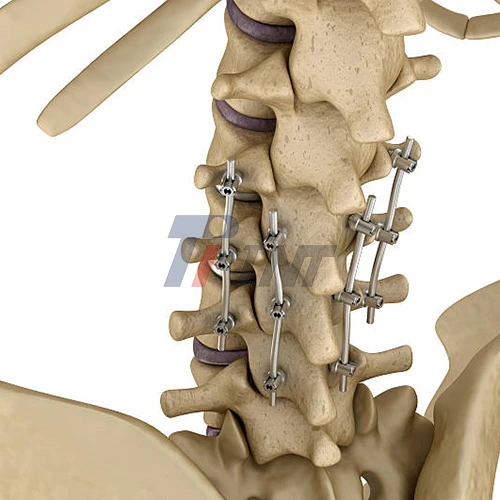
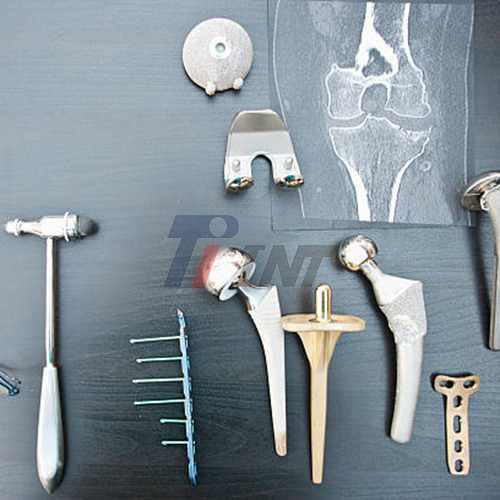
Titanium rod medical materials are mostly used in orthopedic applications, such as fixing broken bones, spinal fusion systems, and rebuilding joints. Long bone fractures in the femur and tibia can be stabilized with intramedullary rods. These rods support the bone while it heals naturally. Spinal implant systems fix deformities and keep vertebral segments stable by using titanium rods to connect pedicle screws along their length. In dental implantology, small titanium rods are made into threaded posts that fuse with the jawbone to hold crowns and bridges in place. Material choice is an important engineering decision because each application needs different mechanical qualities that must be set against biocompatibility needs.
Advantages Over Alternative Materials
Titanium has clear performance advantages over stainless steel and cobalt-chromium alloys. Stainless steel (316L) is cheaper to use, but it has a value of elasticity that is almost twice as high as bone's (20 GPa). This means that it can protect against stress that can cause bone to break down and implants to become free. Cobalt-chromium is better at resisting wear on articulating surfaces than titanium, but it can't osseointegrate as well and there are concerns about metal ion release. Titanium's modulus (110 GPa) is more like bone's, so it distributes mechanical loads more naturally. Titanium alloys' high strength-to-weight ratio makes it possible to make implants that are lighter and easier for patients to wear without sacrificing structural integrity. This is especially helpful for big reconstructive devices.
Surgical Techniques and Clinical Outcomes
Modern surgical methods take advantage of titanium's special qualities by using slightly invasive methods that hurt tissues less and speed up healing. By using fluoroscopy to guide the percutaneous insertion of intramedullary titanium rods, fracture stabilization can be done through small cuts instead of large open cuts. Titanium is not magnetic, so it can be used safely in MRI scans after surgery. This lets doctors check on the mending process and find any problems without any artifacts getting in the way. When properly certified medical-grade titanium is used, clinical case series consistently show high union rates, low infection rates, and excellent functional outcomes. This supports titanium's position as the best material for load-bearing implants.
Comparing Titanium Rods and Alternatives for Medical Use
Medical-Grade Versus Industrial-Grade Distinction
The difference between medical and industry types of titanium has huge effects on the safety of implants and on following the rules. Medical-grade production needs tested manufacturing methods, controlled atmospheres while melting and shaping, and thorough testing at many steps of production. Titanium used in industry might meet general engineering requirements, but it might have tiny particles or flaws in its structure that make it unsafe for living things. Quality management systems that are certified to ISO 13485 make sure that companies that make medical titanium keep records that can be tracked, take corrective actions for problems, and check that the titanium can be sterilized. These are all requirements that aren't present in industrial supply chains.
Cost-Effectiveness Analysis
Titanium rod medical materials cost more than stainless steel or industrial titanium rods, but total cost research shows that device makers are making money. Because of better biocompatibility and corrosion resistance, fewer surgeries need to be redone. This means lower long-term healthcare costs and better patient results, which are factors that are becoming more important in value-based payment models.
Titanium implants last a long time, which means that medical device businesses don't have to deal with as many warranty claims or product responsibility issues. Instead of just looking at unit cost, procurement professionals should compare supplier prices based on certification completeness, technical support availability, and delivery reliability. This is because problems in the supply chain or poor quality have much bigger financial consequences than small material premiums.
Mechanical Property Requirements
Engineers who make devices have to match the qualities of materials to specific loading situations and body parts. Grade 23 titanium (Ti-6Al-4V ELI) has a tensile strength of 860 MPa, a yield strength of 795 MPa, and an elongation of 10%. It can be used for high-stress applications like spinal rods and femoral stems. Grade 4 commercially pure titanium is weaker (550 MPa tensile strength) but easier to shape, which makes it better for cranial plates and tooth abutments that need to have complex shapes. Longevity in dynamic applications is based on fatigue strength under cyclic loading. Medical titanium's fatigue limit is higher than 500 MPa at 10 million cycles, which is important for devices that will be loaded and unloaded over and over again for decades.
How to Select and Procure Medical-Grade Titanium Rods?
Essential Selection Criteria
To choose the right medical titanium rods, you need to carefully look at them from a lot of different angles. The first step in verifying biocompatibility certification is to ask for full paperwork packages that include regulatory registrations for target markets, ISO 10993 test results, and ASTM F136 compliance certificates. For example, Grade 23 alloys are used for high-stress orthopedic implants, while commercially pure grades are used for craniofacial surgery.
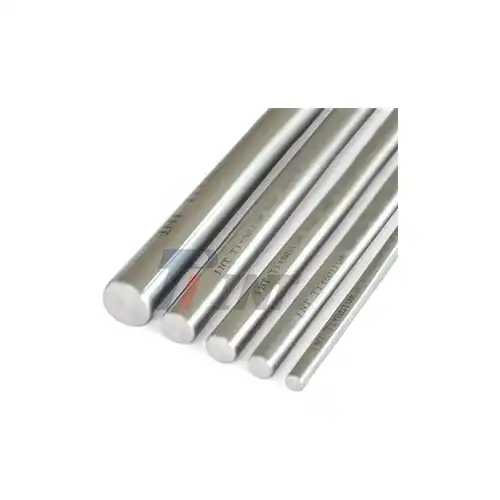
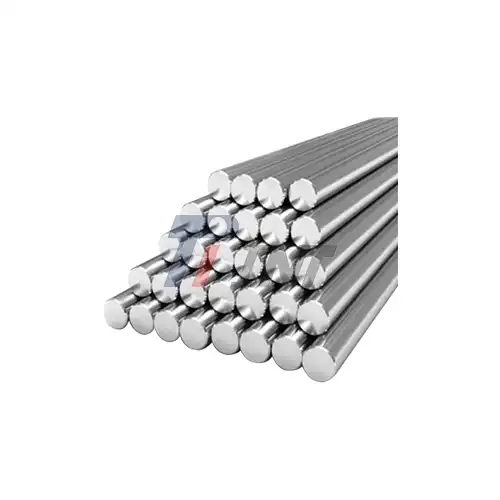
Dimensional options like width range (3mm to 100mm for complete product lines), length (customizable up to 6 meters), and surface finish choices (polished, sandblasted, or machined) decide how well the product is made and what other steps need to be taken afterward. The traits of machinability affect both the cost of production and the range of limits that can be used when making a component.
Supplier Qualification Process
To build trusting ties with suppliers, you need to do more than just compare prices. ISO 9001:2015 and ISO 13485:2016 certifications show that qualified providers know how to handle quality in a structured way and have experience in the medical device industry. Site audits check that production facilities have vacuum arc remelting furnaces, thermomechanical processing equipment and measurement inspection systems with written plans for setting them up.
Strategic partners are different from transactional vendors because they offer technical support, such as help with choosing materials, processing, and writing good documentation. The ability to handle large orders and the ability to make things to order make it possible to meet both high-volume production needs and the development of specialized prototypes. References from current customers who have bought similar devices are proof of how well delivery works and how quickly problems are fixed.
Documentation and Traceability Requirements
For companies that make implantable devices, regulatory compliance and risk management for titanium rod medical depend on having a lot of paperwork. Mill Test Certificates should have full chemistry analyses that show the elements are within the allowed ranges, mechanical test results that show the material meets the standards for strength and ductility, and heat treatment records that show the material's processing history. Lot tracking systems that connect finished parts to the production heats that made the raw materials make it possible to act quickly in case of returns or problems in the field.
Receiving inspections are made easier with Certificates of Conformance that list how well the product meets customer requirements and relevant standards. Suppliers who offer electronic document management systems with searchable archives make it easier for regulatory submissions and customer audits, which is a big operational benefit for organizations that buy a lot of things.
Leading Suppliers and Industry Standards for Medical Titanium Rods
Establishing Supplier Credibility
There are both big global companies that make titanium materials and small, specialized companies that serve specific markets. Reputable suppliers set themselves apart by being open about their certifications, having quality standards written, and making their expert tools easy to access. Customer reviews and case studies show how well the company works in the real world, how reliable its deliveries are, and how well it can solve problems during difficult projects. Being a part of industry groups and medical device trade shows shows dedication to the field and makes it easier to share information about new technologies and changing regulations.
Innovation Trends Shaping the Market
Titanium metallurgy and processing are always getting better, which means that medical applications can do more. Additive manufacturing methods allow for custom implant shapes with controlled porosity that helps bone grow, but regulatory routes for 3D-printed titanium devices are still being worked on. Plasma spraying, anodization, and bioactive coatings are some of the surface modification technologies that improve the rate of osseointegration and the antibacterial qualities of the material.
Blockchain-based tracking systems and advanced material identification methods are becoming more popular because regulators are paying more attention to supply chain security and stopping counterfeit goods. Professionals in procurement who keep an eye on these changes put their companies in a good position to use new materials and manufacturing methods while still meeting changing standards.
Building Strategic Partnerships
Long-term success in developing and making medical devices depends on working together with material suppliers who are more like technical partners than just sellers of goods. Suppliers who offer shared development deals share the economic risk and speed up the innovation cycle by helping to improve materials and processes. Inventory programs that are handled by vendors help keep supply lines stable and lower the amount of working capital that high-volume manufacturers need.
Reviewing a business on a regular basis to look at quality measures, service performance, and ways to keep improving strengthens partnerships and keeps standards from falling over time. Because medical titanium applications are so complicated and important, it's worth the money to build strong relationships with suppliers that give you competitive advantages beyond lower costs.
Conclusion
Biocompatibility-certified titanium rod medical materials are the building blocks for safe, successful implantable devices used in orthopedic, dentistry, and reconstructive surgery. Procurement pros and R&D engineers can successfully handle complicated material needs if they know the differences between medical and industrial grades, check important certifications, and build relationships with qualified suppliers. Titanium alloys are the most popular material for making implants, even though they are more expensive. This is because they have the best strength-to-weight ratio, are resistant to corrosion, can fuse with bone, and have been shown to work well over time. As rules change and industrial methods improve, keeping up with what suppliers can do and what the industry trends are will help you get the materials you need for both now and in the future.
FAQ
Q1: Why choose titanium over stainless steel for implants?
A: Titanium is better for biocompatibility than stainless steel that contains nickel, and it also has a lower risk of allergic reactions. Stress protection that causes implants to come free is lessened when the modulus of elasticity is closer to the bone. Titanium's natural oxide layer makes it very resistant to rust in physiological settings. This means that you don't have to worry about the metal ions that are released when stainless steel breaks down. Because it isn't magnetic, it can be safely imaged with an MRI after implantation without any problems.
Q2: What biocompatibility certifications matter most?
A: ISO 10993 is the complete framework for biological evaluation that is needed around the world. The chemical make-up and mechanical qualities of Ti-6Al-4V ELI metal for surgical implants are regulated by ASTM F136. Getting FDA approval and CE marking lets you sell your product in major regulatory areas. To make sure that materials can be tracked, quality management systems need Mill Test Certificates that are in line with EN 10204 3.1.
Q3: Can medical titanium rods be customized?
A: Yes, reliable suppliers allow for a lot of customization, such as diameters from 3mm to 100mm, lengths up to 6 meters, and surface finishes (polished, sandblasted, machined) that are perfect for different device designs. Custom metal formulas and heat treatments meet specific performance needs while still keeping biocompatibility certifications by making changes to the process that have been proven to work.
Partner with Baoji INT Medical Titanium Co., Ltd. for Certified Titanium Rod Medical Solutions
The Baoji INT Medical Titanium Co., Ltd. has been helping medical device makers who need approved, high-purity titanium products for more than 30 years. We offer a wide range of products, such as pure titanium, Ti-6Al-4V ELI, and custom titanium alloy bars with sizes from 3mm to 100mm and lengths of up to 6 meters. All of these products are certified by ISO 9001:2015, ISO 13485:2016, and CE. We make sure the quality of our titanium rod medical supplies is very high by using vacuum arc remelting. We also give full traceability paperwork, like Mill Test Certificates and compliance reports. Your product development cycles can be sped up with the help of our expert team's help with choosing materials, improving processes, and creating legal paperwork. Get in touch with export@tiint.com to talk about your unique implant material needs and find out how our flexible manufacturing options and stable supply chain can help you meet your production goals at a price you can afford and with on-time delivery.
References
1. Niinomi, M. (2008). Mechanical biocompatibilities of titanium alloys for biomedical applications. Journal of the Mechanical Behavior of Biomedical Materials, 1(1), 30-42.
2. Steinemann, S. G. (1998). Titanium—the material of choice? Periodontology 2000, 17(1), 7-21.
3. Long, M., & Rack, H. J. (1998). Titanium alloys in total joint replacement—a materials science perspective. Biomaterials, 19(18), 1621-1639.
4. Geetha, M., Singh, A. K., Asokamani, R., & Gogia, A. K. (2009). Ti based biomaterials, the ultimate choice for orthopaedic implants—A review. Progress in Materials Science, 54(3), 397-425.
5. Ryan, G., Pandit, A., & Apatsidis, D. P. (2006). Fabrication methods of porous metals for use in orthopaedic applications. Biomaterials, 27(13), 2651-2670.
6. Liu, X., Chu, P. K., & Ding, C. (2004). Surface modification of titanium, titanium alloys, and related materials for biomedical applications. Materials Science and Engineering: R: Reports, 47(3-4), 49-121.
_1750663253486.webp)