
Using 5mm Titanium Plates in Medical Implants


 2025-12-17 08:33:57
In the ever-evolving field of medical implants, 5mm titanium plates have emerged as a crucial component, revolutionizing various surgical procedures. These versatile plates, known for their exceptional strength-to-weight ratio and biocompatibility, have become indispensable in orthopedics, maxillofacial surgery, and neurosurgery. This article delves into the intricacies of 5mm titanium plates, exploring their applications, benefits, and the cutting-edge technologies employed in their production.
|
|
|
The Versatility of 5mm Titanium Plates in Medical Applications
5mm titanium plates have found widespread use across multiple medical disciplines due to their unique properties. These plates offer a perfect balance of strength and flexibility, making them suitable for a variety of implant procedures.
Orthopedic Applications of 5mm Titanium Plates
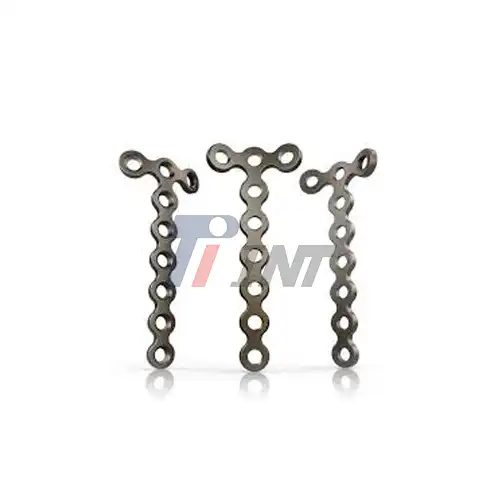
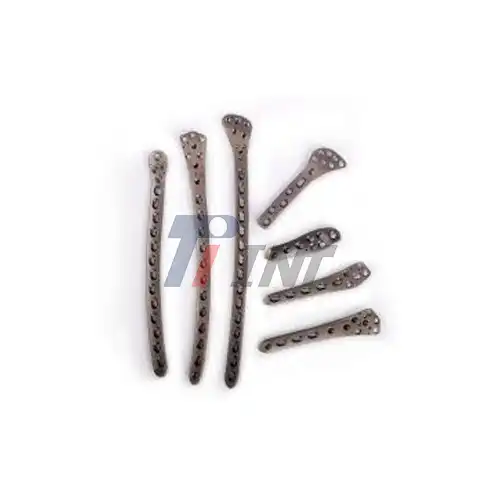
In orthopedic surgery, 5mm titanium plates play a pivotal role in fracture fixation and bone reconstruction. These plates provide stable support for fractured bones, allowing for proper healing and alignment. The 5mm thickness offers sufficient strength to withstand the mechanical stresses placed on bones during daily activities, while still being thin enough to minimize patient discomfort.
Maxillofacial Surgery and 5mm Titanium Plates
Maxillofacial surgeons rely heavily on 5mm titanium plates for procedures involving the jaw, cheekbones, and other facial structures. These plates are instrumental in reconstructive surgeries following trauma or cancer resection. The malleability of titanium allows surgeons to contour the 5mm plates to match the patient's unique facial anatomy, ensuring optimal aesthetic and functional outcomes.
Neurosurgical Applications of 5mm Titanium Plates
In neurosurgery, 5mm titanium plates are utilized for cranial fixation and spinal stabilization. These plates provide crucial support in procedures such as cranioplasty, where they help secure bone flaps after brain surgery. The biocompatibility of titanium reduces the risk of adverse reactions, making these plates ideal for long-term implantation in sensitive neurological areas.
Advantages of 5mm Titanium Plates in Medical Implants
The popularity of 5mm titanium plates in medical implants can be attributed to several key advantages that set them apart from other materials.
Biocompatibility and Osseointegration
One of the most significant benefits of 5mm titanium plates is their exceptional biocompatibility. Titanium has a unique ability to integrate with living bone tissue, a process known as osseointegration. This property ensures that the implant becomes firmly anchored in place, reducing the risk of loosening or failure over time. The biocompatibility of titanium also minimizes the chances of allergic reactions or rejection by the body's immune system.
Strength and Durability of 5mm Titanium Plates
Despite their relatively thin profile, 5mm titanium plates boast impressive strength and durability. Titanium's high strength-to-weight ratio allows these plates to provide robust support while remaining lightweight. This combination of properties is particularly beneficial in load-bearing applications, such as orthopedic implants, where the plates must withstand significant mechanical stress without failure.
Corrosion Resistance and Long-Term Stability
Titanium's natural resistance to corrosion is another crucial advantage of 5mm titanium plates. In the harsh biological environment of the human body, these plates maintain their structural integrity over extended periods. This corrosion resistance contributes to the long-term stability of the implant, reducing the need for revision surgeries and improving patient outcomes.
Manufacturing Processes and Quality Control for 5mm Titanium Plates
The production of 5mm titanium plates involves advanced manufacturing techniques and rigorous quality control measures to ensure the highest standards of safety and performance.
Precision Machining of 5mm Titanium Plates
The manufacturing process for 5mm titanium plates begins with precision machining. Computer Numerical Control (CNC) machines are employed to cut and shape titanium sheets into the desired plate dimensions. This high-precision process ensures that each plate meets exact specifications for thickness, length, and width. The 5mm thickness is carefully maintained throughout the plate to provide consistent strength and performance.
Surface Treatment and Finishing
After machining, 5mm titanium plates undergo various surface treatments to enhance their properties. Anodization is a common process used to create a protective oxide layer on the titanium surface, further improving corrosion resistance and biocompatibility. Some manufacturers also apply micro-texturing to the plate surface, which can promote better osseointegration and tissue attachment.
Quality Assurance and Regulatory Compliance
Reputable 5mm titanium plate manufacturers implement stringent quality control measures throughout the production process. Each plate is subjected to rigorous inspections and testing to ensure compliance with international standards such as ISO 13485 for medical devices. These quality assurance procedures involve dimensional checks, material composition analysis, and mechanical testing to verify the plate's strength and durability.
At Baoji INT Medical Titanium Co., Ltd., we take pride in our role as a leading 5mm titanium plate manufacturer. Our commitment to quality is reflected in our ISO9001:2015 and ISO13485:2016 certifications, as well as our EU CE safety certification. We employ state-of-the-art manufacturing techniques, including hot rolling and forging, to enhance the mechanical properties of our titanium plates. Our products undergo ultrasonic testing to detect any potential flaws, ensuring 100% reliability for critical medical applications.
Conclusion
5mm titanium plates have become an integral part of modern medical implant technology, offering a unique combination of strength, biocompatibility, and versatility. As research in materials science and manufacturing techniques continues to advance, we can expect further improvements in the performance and application of these essential medical devices.
For medical professionals and device manufacturers seeking high-quality 5mm titanium plates, partnering with a reputable and experienced supplier is crucial. Baoji INT Medical Titanium Co., Ltd. stands ready to meet your needs with our expertise and commitment to excellence. For more information about our 5mm titanium plates and other medical titanium products, please contact us at export@tiint.com.
FAQ
What makes 5mm titanium plates ideal for medical implants?
5mm titanium plates are ideal due to their excellent biocompatibility, high strength-to-weight ratio, and corrosion resistance. They provide robust support while being lightweight and can integrate well with bone tissue.
Are 5mm titanium plates suitable for long-term implantation?
Yes, 5mm titanium plates are suitable for long-term implantation. Their corrosion resistance and biocompatibility make them stable in the body over extended periods, reducing the need for revision surgeries.
Can 5mm titanium plates be customized for specific surgical needs?
Absolutely. Many manufacturers, including Baoji INT Medical Titanium Co., Ltd., offer customization services to tailor 5mm titanium plates to specific surgical requirements, ensuring optimal fit and function.
References
1. Rack, H. J., & Qazi, J. I. (2006). Titanium alloys for biomedical applications. Materials Science and Engineering: C, 26(8), 1269-1277.
2. Niinomi, M. (2008). Mechanical biocompatibilities of titanium alloys for biomedical applications. Journal of the Mechanical Behavior of Biomedical Materials, 1(1), 30-42.
3. Elias, C. N., Lima, J. H. C., Valiev, R., & Meyers, M. A. (2008). Biomedical applications of titanium and its alloys. Jom, 60(3), 46-49.
4. Sidambe, A. T. (2014). Biocompatibility of advanced manufactured titanium implants—A review. Materials, 7(12), 8168-8188.
5. Liu, X., Chu, P. K., & Ding, C. (2004). Surface modification of titanium, titanium alloys, and related materials for biomedical applications. Materials Science and Engineering: R: Reports, 47(3-4), 49-121.
_1755495780573.jpg)
_1750664314563.webp)