
What is the best welding method for titanium?


 2026-06-29 16:14:36
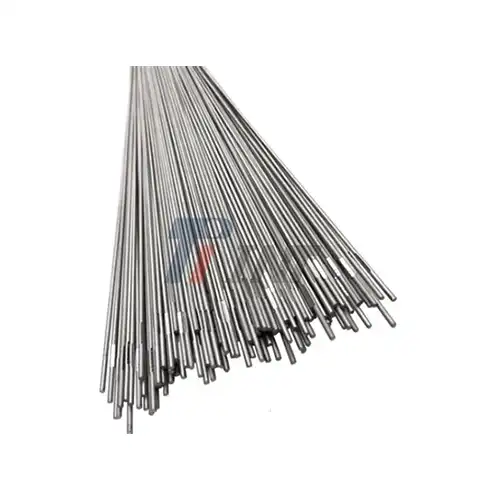
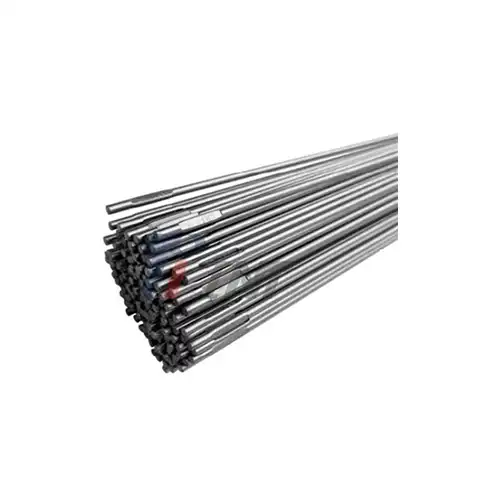
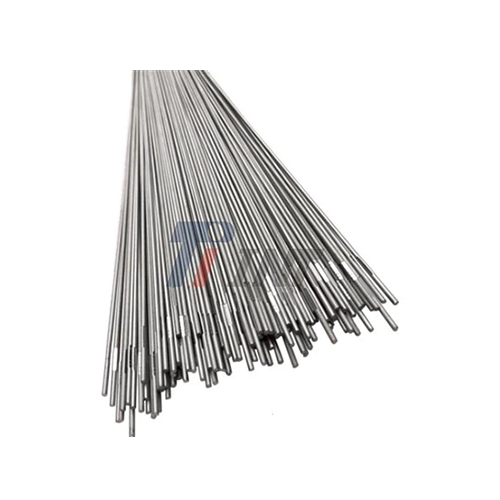
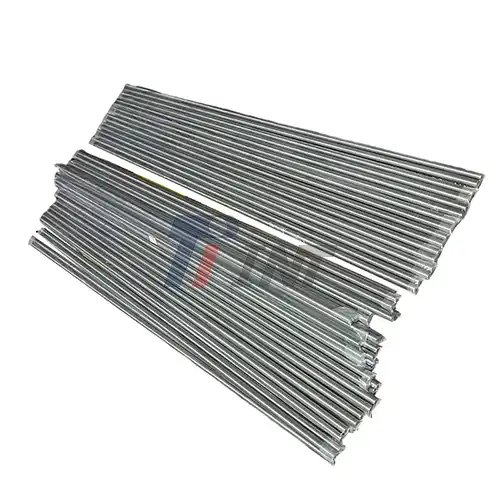
The best way to work with titanium is to use Gr1 Titanium Welding Wire and gas tungsten sparks (GTAW/TIG) for welding. There is more control over the heat used with this method, and contaminants are kept out. Both of these things are important for keeping titanium's high resistance to rust and biocompatibility. With TIG welding, an inert gas safety system keeps the reacting titanium surface free of dust and other particles in the air. The accurate arc control makes sure that the heat goes through evenly and cuts down on hot spots that could damage the material's qualities.
|
|
|
Understanding Titanium Welding Fundamentals
Titanium welding presents unique challenges that demand specialized knowledge and equipment. The metal's high reactivity at elevated temperatures creates a tendency toward contamination when exposed to oxygen, nitrogen, or hydrogen during the welding process. This reactivity can lead to embrittlement and reduced corrosion resistance, which can harm medical gadgets and airplane parts.
Titanium's Unique Material Properties
Only about a third as well as steel, titanium doesn't spread heat very well. If it's not treated properly, it can cause uneven heating that can cause it to warp. If you want to make sure that the sizes of precise medical tools and surgery implants stay correct, you need to know about these thermal qualities.
Grades of commercially pure titanium, especially Grade 1, are the most bendable and easy to shape. They also get along well with living things. It is still true that Grade 1 titanium has the fewest intermediate elements of all the industry grades. This makes it better at being cold-worked and less likely to break in salt settings from stress rust.
Critical Contamination Risks
During welding, surface contamination can cause alpha case to form. This is a thin, brittle layer that forms on the surface and makes the material much less resistant to wear and rust. This effect is especially clear when medical devices are being made. For example, how long implants last and how safe they are for patients depend on how smooth the surface is.
When temperatures are above 500°C, pollution in the air happens very quickly, so it is important to fill with harmless gases. Purity standards for welding areas are very high. Argon gas purity levels must be above 99.999%, and dew points must be below -40°C to avoid gaps caused by water.
Comparison of Welding Methods for Titanium
When titanium is welded today, there are many better ways to do it, and each one is better for some jobs. It's important to carefully consider the cost, the amount of output needed, and the level of accuracy needed before making a choice.
Gas Tungsten Arc Welding (GTAW/TIG)
Most of the time, TIG welding is used to make titanium because it lets you control how much heat goes in and keeps outside contaminants out. A tungsten anode that doesn't break down in an inert gas cylinder is used in the process. This makes it possible to precisely control the sparks and make the weld better. In TIG applications, Gr1 Titanium Welding Wire works really well because it feeds evenly and fuses well.
TIG welding is handled by hand, so workers can change the settings right away to fit the different section thicknesses and joint configurations that are usual in making medical devices. It's easy to change, which is why TIG welding is great for making samples and small amounts of medical tools that are unique.
Laser Beam Welding Applications
When quality control and low heat input are very important in a fast-paced production setting, laser welding works best. Small areas of heat are affected by the targeted energy source. This stops thin-section parts from warping because of the heat. This equipment is pricey and tough to set up, so it can't be used for very large amounts of work. When laser welding, grade 1 filler wire can be used, but the settings must be carefully tweaked to ensure proper wire feeding and the right fusion qualities. To keep formation rates and weld quality consistent, you need automated wire feeding devices.
Electron Beam and Plasma Arc Considerations
Because electron beam welding takes place in a vacuum, it has high penetration strengths and low contamination risks. But because the equipment is hard to use and the pieces can't be too big, it can only be used in certain cases where the higher processing costs are worth it because the welds are so good. Particular arc welding can be used instead of TIG and laser welding because it is easier to use and can weld more quickly than TIG. Because the plasma spark is centered, the conditions for welding are stable, which is good for automatically making titanium parts.
Best Practices and Techniques for Welding with Gr1 Titanium Wire
To successfully weld titanium, you need to make sure the area is clean, set up your tools properly, and keep a close eye on the parameters. These steps are even more important when working with medical-grade goods because contamination can hurt biocompatibility and following the rules.
Preparation and Cleanliness Protocols
To begin, brushes made of stainless steel or tools made of tungsten carbide are used to clean the surface by hand. After that, alcohol or methanol are used to get rid of any oil or grease. It is important to get rid of all the dirt, oil, fingerprints, and rust in the air so that the weld doesn't become porous and weak. So that the surface doesn't rust, Gr1 Titanium Welding Wire needs to be kept in a controlled-humidity area. Before using, the wire's surface should be cleaned. If it gets damaged or dirty, the wire needs to be changed to keep the quality of the weld high.
Optimal Welding Parameters
For Grade 1 titanium, the current setting is generally between 80 and 150 amps, but this can change based on the width of the metal and how the joints are set up. The tiny grain structure of Grade 1 material is kept by lower current levels. This helps the material keep its great ability to bend and shape.
The need to enter and the amount of heat that can be put in are balanced by welding speed increase. If the trip speeds are too fast, they can cause partial fusion. If the speeds are too slow, they raise the heat input and make the fusion zone bigger. Most of the time, 4 to 8 inches per minute is the best speed for hand TIG welding.
The flow rates of protective gases need to be carefully adjusted to make sure there is enough coverage without creating turbulence that could let in gases from the air. 15 to 25 CFH of argon is generally enough for main shielding through the torch. The flow rate of backing gas ranges from 10 to 20 CFH, depending on the size of the root hole.
Post-Weld Quality Assessment
You can tell right away how well the protection is working and how much pollution there is by the color of the weld. The defense is working right if the color is silver or light straw. It means that contamination needs to be cleaned up and worked on again if it's blue, purple, or gray. This eye exam is even more important in hospitals, where germs on the surface can make biocompatibility worse.
Decision Framework for Selecting the Ideal Titanium Welding Method
There needs to be a structured way for engineering teams and buyers to compare welding methods based on the needs of the project. When making medical equipment, this method talks about technical ability, cost, and the need for quality control.
Material Property Considerations
Most of the time, the need for tensile strength is the most important thing to consider when picking between commercially pure and alloyed titanium types. Grade 1 titanium is very flexible and has a tensile strength of about 240 MPa. This makes it great for things that need to be cold-formed after welding or need to be strong against impact. It is very important to protect against rust in chemistry and medical processes. Grade 1 titanium is more resistant to stress corrosion cracks and crevice corrosion in salt environments because it is so pure. Because of this, it is the best choice for chemical process tools and gadgets that are implanted.
Production Volume and Economic Analysis
TIG welding is best for making complicated things in small quantities because it is flexible and doesn't cost much to set up. There is a cheap way to make samples of medical devices and specialized surgery tools using TIG welding. This is because it can join parts in many different ways and can adapt to changes in design. Automatic laser or electron beam welding systems are better for places that make a lot of things, even though they cost more at first. Buying the tools needed to make a lot of medical gadgets is a good idea because the end result is always good and takes less work.
Quality Assurance Integration
Medical device businesses must have written quality processes and be able to track their goods in order to meet government standards. It is important to make sure that the seller you buy Gr1 Titanium Welding Wire from gives you all the paperwork and test papers you need to follow FDA and CE marks. Different types of non-destructive tests can be done with different types of welding. Ultrasound and X-ray screening are the norm for important medical uses. It is important to think about how the weld will look and how it will enter the workpiece when picking a welding method.
Procurement Insights for Gr1 Titanium Welding Wire
To find good soldering wire, you need to know what the material needs to be, how to handle the supply chain, and what skills the seller needs to have. Medical tool makers need to find a way to keep costs low while still making sure their goods meet government rules and quality standards.
Supplier Qualification and Certification
Certified companies keep ISO 13485 quality control systems for medical equipment up to date and give full records so that materials can be tracked back to their source. The name of the heat lot, chemistry analysis records, and the mechanical property test results for each batch of wire are all part of this. When you follow the steps in AWS A5.16, the chemicals used and the right sizes will always be the same. This is very important for automatic welding. The number ERTi-1 only refers to Grade 1 commercially pure titanium wire that meets the American Welding Society's requirements.
Packaging and Storage Considerations
The right wrapping keeps the wires clean when they are being shipped or stored. Packaging that is vacuum-sealed and filled with a neutral gas stops rusting in the air, and materials that block moisture get rid of the risks of contamination that come from humidity. Inventories should have first-in, first-out rotation built in so that lines don't get lost after being in one place for too long. Setting up a climate-controlled storage area is important for keeping the quality of the wire because it keeps the temperature and humidity stable.
Bulk Ordering Economics
Deals on buying in bulk save money and make sure there is a steady supply so that output can be planned. But when you think about shelf life and storage room, you need to weigh the economic benefits against the risks of material degradation. You can choose from different wire diameters, spool sizes, and box shapes that can be used for various types of production. Most of the time, companies that make Gr1 Titanium Welding Wire can meet unique requests for medical devices that need specifics.
Conclusion
To find the best titanium welding methods, you need to think about the properties of the metal, the needs of the production process, and the quality standards that are unique to medical device manufacturing. We found that Gas Tungsten Arc Welding is the best and most adaptable way. It works best when mixed with high-purity Gr1 titanium welding wire. Material in Grade 1 is great for medical devices and surgery tools that need to be safe and last a long time. It is very flexible and doesn't rust. If you want to be good at titanium welding, you need to make sure the area is clean, the settings are set properly, and the materials come from official sources with full quality systems and paperwork that shows they follow the rules.
FAQ
Q1: What makes TIG welding superior for medical-grade titanium applications?
A: TIG welding provides precise heat control and comprehensive inert gas shielding essential for maintaining titanium's biocompatibility. The process allows real-time parameter adjustment, accommodating the varying section thicknesses common in medical device making. The parts stay clean so that contamination doesn't affect how well the implant works.
Q2: How does Gr1 wire compare to Gr2 for welding applications?
A: Gr1 Titanium Welding Wire is more flexible and easy to shape because it has fewer middle elements in it. It's great for uses that need to work with it cold after the weld. Gr2 is a little stronger than Gr1, but Gr1 is better for medical implants and tools used in chemical processes because it doesn't rust as easily and can handle more stress.
Q3: What storage conditions are required for titanium welding wire?
A: When you store titanium wire, you need to keep it in a room with a temperature and humidity range of 60°F to 80°F. Opened packages should be kept in dry closets or oven-dried before use so they don't soak up water, which can cause hydrogen holes when welding.
Q4: Can automated welding systems accommodate Grade 1 titanium wire?
A: Yes, Grade 1 wire lines in automatic systems that are set up properly. While harder titanium types can make it hard to feed, this wire is very bendable and doesn't have those issues. Its ability to hold an even thickness also keeps the spark stable when automatic welding is used.
Q5: What quality indicators should buyers evaluate when sourcing titanium wire?
A: Critical quality indicators include AWS A5.16 specification compliance, complete chemical analysis documentation, surface condition certification, and dimensional accuracy verification. Medical device applications require additional biocompatibility tests and proof that you follow the rules from ISO 13485 approved providers if you want to use a medical device.
Partner with Baoji INT Medical Titanium Co., Ltd. for Premium Welding Solutions
Medical device manufacturers seeking reliable titanium welding materials can trust Baoji INT Medical Titanium Co., Ltd.'s three decades of specialized experience and proven track record in the industry. Our comprehensive quality management systems, including ISO 13485 certification and FDA compliance, ensure that every batch of our premium Grade 1 titanium welding wire meets the exact needs of making medical devices. As a leading Gr1 Titanium Welding Wire supplier, we offer full expert support, paperwork that lets you keep track of your materials, and custom packing choices that are made to fit your production needs. You can email our team at export@tiint.com for full specifications, sample review, or skilled tips on how to get better at titanium welding and get the best goods.
References
1. American Welding Society. "Specification for Titanium and Titanium Alloy Welding Electrodes and Rods." AWS A5.16/A5.16M-2018. Miami: American Welding Society, 2018.
2. Donachie, Matthew J. "Titanium: A Technical Guide, 2nd Edition." Materials Park, OH: ASM International, 2000.
3. Peters, M., A. Gysler, and G. Lutjering. "Influence of Texture on Fatigue Properties of Ti-6Al-4V." Metallurgical and Materials Transactions A, vol. 15, no. 8, 1984.
4. Welsch, Gerhard, Rodney Boyer, and E.W. Collings. "Materials Properties Handbook: Titanium Alloys." Materials Park, OH: ASM International, 1994.
5. Baufeld, Bernd, Omer Van der Biest, and Rosemary Gault. "Additive Manufacturing of Ti-6Al-4V Components by Shaped Metal Deposition." Materials & Design, vol. 31, 2010.
6. International Organization for Standardization. "Medical devices - Quality management systems - Requirements for regulatory purposes." ISO 13485:2016. Geneva: ISO, 2016.
_1755061801114.png)
_1750664314563.webp)
_1749191401740.webp)